
Why Coffee Might Cause Muscle Twitches and Spasms
Quick answer
- Caffeine, a stimulant in coffee, can affect the nervous system, potentially leading to muscle twitches.
- The amount of caffeine consumed is a significant factor; higher doses are more likely to cause this effect.
- Individual sensitivity to caffeine varies greatly.
- Other factors like hydration, sleep, and stress can also play a role in muscle twitching.
- If twitches are persistent or concerning, it’s advisable to consult a healthcare professional.
Key terms and definitions
- Caffeine: A natural stimulant found in coffee beans, tea leaves, and cocoa beans, known for its effect on the central nervous system.
- Stimulant: A substance that raises levels of physiological or nervous activity in the body.
- Central Nervous System (CNS): The complex of nerve tissues that controls the activities of the body. It includes the brain and spinal cord.
- Neurotransmitter: A chemical messenger that transmits signals from a neuron across a synapse to a target cell.
- Adenosine: A neurotransmitter that promotes relaxation and sleepiness. Caffeine blocks adenosine receptors.
- Muscle Twitch (Fasciculation): A small, involuntary contraction of a muscle fiber or a group of fibers.
- Electrolyte Imbalance: A condition where the levels of essential minerals in the body that carry an electric charge are too high or too low.
- Dehydration: A condition where the body loses more fluid than it takes in.
- Anxiety: A feeling of worry, nervousness, or unease, typically about an imminent event or something with an uncertain outcome.
- Benign Fasciculation Syndrome: A non-pathological condition characterized by widespread muscle twitches that are not indicative of a serious underlying medical issue.
How it works
- Coffee contains caffeine, a known stimulant.
- Caffeine works by blocking adenosine receptors in your brain. Adenosine typically slows down nerve activity.
- By blocking adenosine, caffeine increases the release of excitatory neurotransmitters like dopamine and norepinephrine.
- This heightened neural activity can make your nerves more excitable.
- Increased nerve excitability can lead to spontaneous firing of motor neurons.
- Motor neurons are responsible for sending signals from the brain to muscles, causing them to contract.
- When motor neurons fire involuntarily, it results in muscle twitches or fasciculations.
- The effect is more pronounced in individuals who are sensitive to caffeine or consume large amounts.
- This process is generally temporary and resolves as caffeine is metabolized by the body.
If you’re looking to manage your caffeine intake, consider exploring caffeine supplements. These can offer a more controlled way to consume caffeine, allowing you to better gauge your body’s reaction and potentially avoid the muscle twitches associated with coffee.
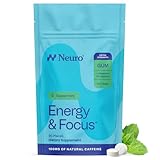
- Fast-Acting Nootropic - Our energy supplements deliver an extra boost of energy and clarity with a blend of natural caffeine, L-theanine, and vitamin b6 & b12. Your go-to chewing gum for work, exercise, and daily focus!
- Clean Energy - Each piece of our sugar free gum delivers 100mg of natural caffeine from green coffee beans for a smooth energy boost without crashes or jitters.
- The Perfect Balance - With 60mg of L-theanine per piece, our energy and focus formula promotes enhanced focus and stress reduction to smooth energy boosts.
- How to Use - Chew one piece of the caffeine gum whenever focus or energy is lacking. Ideal for mornings, pre-workout, or afternoon slumps. Effects typically kick in within minutes thanks to optimal absorption through the mouth.
- Made by Neuro, Backed by Science - At Neuro, we combine neuroscience with clean, science backed ingredients to help you do more, think better, and feel your best every single day.
What affects the result
- Caffeine Content: The amount of caffeine in your coffee varies by bean type, roast level, and brewing method. Stronger brews or larger servings mean more caffeine.
- Individual Sensitivity: People metabolize caffeine at different rates. Genetics play a significant role in how sensitive you are to its effects.
- Dosage: Consuming one cup of coffee will likely have a different effect than drinking several in a short period.
- Hydration Levels: Dehydration can sometimes exacerbate muscle cramps and twitches, and it can also affect how your body processes caffeine.
- Sleep Quality: Lack of sleep can make your nervous system more sensitive and prone to involuntary muscle activity.
- Stress and Anxiety: High stress levels can increase the body’s production of adrenaline, which, like caffeine, is a stimulant.
- Medications: Certain medications can interact with caffeine or affect neurotransmitter levels, potentially influencing muscle activity.
- Dietary Factors: Electrolyte imbalances (e.g., low potassium or magnesium) can sometimes contribute to muscle twitches.
- Physical Activity: Overexertion without adequate hydration or electrolytes can sometimes lead to muscle fatigue and twitching.
- Underlying Medical Conditions: While less common, certain neurological or metabolic conditions can cause muscle twitches, and caffeine might make them more noticeable.
- Time of Consumption: Consuming coffee late in the day can disrupt sleep, indirectly contributing to twitching.
- Other Stimulants: Combining coffee with other sources of caffeine or stimulants (like energy drinks or certain supplements) can amplify the effects.
Maintaining good hydration is crucial, especially when consuming caffeine. A reliable water bottle can help you keep track of your fluid intake throughout the day, which may mitigate some of the effects that lead to muscle twitches.

- 30-ounce insulated stainless steel water bottle with extra features: includes a 2-in-1 spout that lets you choose how you drink; push-button, leak-proof lid that locks for all your adventures
- Choose your sip style—straw or swig: Patented 2-in-1 FreeSip spout is one of a kind; it lets you sip upright through the built-in straw or swig by tilting back the spout
- Hygienic push-button lid and easy carry handle: closed lid keeps spout covered and clean between sips; ergonomic bucket handle makes transport easy for sports, campsites, road trips, school, and work
- Keeps water cold and fits where you need: Triple-layer insulation keeps drinks colder up to 24 hours; wide opening for easy cleaning and extra ice; cupholder friendly base fits most car cupholders
- Safe materials and simple care instructions: BPA, lead, and phthalate-free for safe drinking; hand wash the cup,lid is dishwasher safe and can be easily disassembled; not for use with hot liquids
Pros, cons, and when it matters
- Pro: Increased Alertness: Caffeine is well-known for its ability to combat fatigue and improve focus, which can be beneficial for productivity.
- Con: Muscle Twitches: For some, the primary downside is the potential for involuntary muscle contractions, which can be annoying or distracting.
- Pro: Enhanced Physical Performance: Caffeine can improve endurance and power output during exercise, making workouts feel easier.
- Con: Anxiety and Jitters: Excessive caffeine can lead to feelings of nervousness, restlessness, and even panic attacks in susceptible individuals.
- Pro: Mood Enhancement: Coffee consumption has been linked to improved mood and a reduced risk of depression for some people.
- Con: Sleep Disruption: Consuming coffee too close to bedtime can interfere with falling asleep and the quality of sleep, which can have knock-on effects.
- Pro: Antioxidant Properties: Coffee beans contain antioxidants that may offer health benefits.
- Con: Digestive Issues: Caffeine can stimulate the digestive system, potentially causing heartburn or stomach upset in some individuals.
- Pro: Social and Ritualistic Aspect: For many, brewing and enjoying coffee is a cherished daily ritual or a social activity.
- Con: Dependence and Withdrawal: Regular high consumption can lead to physical dependence, with withdrawal symptoms like headaches and fatigue if intake is stopped.
- When it Matters: If you have a physically demanding job or are an athlete, the performance benefits might outweigh the risks.
- When it Matters: If you are sensitive to stimulants, prone to anxiety, or have sleep issues, even moderate amounts might cause undesirable effects like twitches.
Common misconceptions
- Misconception: All coffee causes muscle twitches for everyone.
- Reality: Individual sensitivity to caffeine varies greatly. Many people can drink coffee without experiencing twitches.
- Misconception: Muscle twitches from coffee are always a sign of a serious health problem.
- Reality: In most cases, caffeine-induced twitches are temporary and benign, resolving as the caffeine wears off.
- Misconception: Decaf coffee is completely free of stimulants.
- Reality: Decaffeinated coffee still contains a small amount of caffeine, though significantly less than regular coffee.
- Misconception: Only strong coffee causes twitches.
- Reality: The total amount of caffeine consumed matters more than brew strength. A large cup of weak coffee could have more caffeine than a small cup of strong coffee.
- Misconception: Muscle twitches are a sign of caffeine overdose.
- Reality: While high doses increase the likelihood, twitches can occur at moderate doses for sensitive individuals. It’s a symptom, not necessarily an overdose.
- Misconception: If you get twitches, you must stop drinking coffee forever.
- Reality: Often, reducing intake, switching to lower-caffeine options, or adjusting timing can resolve the issue.
- Misconception: Muscle twitches are a direct sign of dehydration.
- Reality: Dehydration can contribute to muscle issues, but caffeine’s stimulant effect is the primary direct link to twitches.
- Misconception: Coffee is the only source of caffeine that can cause twitches.
- Reality: Other caffeinated beverages like tea, soda, and energy drinks, as well as chocolate and some medications, can also contribute.
FAQ
Q: How much coffee is too much if I’m prone to muscle twitches?
A: This varies greatly by individual. For some, even one cup might be enough to trigger twitches, while others can drink several. It’s best to monitor your own body’s reaction.
Q: Can decaf coffee cause muscle twitches?
A: Decaffeinated coffee still contains a small amount of caffeine. For highly sensitive individuals, this residual amount could potentially contribute to mild effects, though it’s much less likely than with regular coffee.
Q: Are muscle twitches from coffee dangerous?
A: Generally, no. Caffeine-induced muscle twitches are typically harmless and temporary. However, if twitches are severe, persistent, or accompanied by other concerning symptoms, it’s wise to consult a doctor.
Q: What should I do if I experience muscle twitches after drinking coffee?
A: The most immediate step is to stop consuming coffee or other caffeinated beverages. Ensure you are well-hydrated and try to relax. The twitches should subside as the caffeine leaves your system.
Q: Is there a way to “speed up” getting rid of caffeine from my system?
A: While there’s no magic bullet, staying hydrated can support your body’s natural metabolic processes. Avoiding further caffeine intake is the most effective way to let your system clear it.
Q: Could my coffee maker be a factor in why coffee makes me twitch?
A: The brewing method itself doesn’t directly cause muscle twitches. However, certain methods can extract more or less caffeine from the beans, which could influence the final concentration.
Q: If coffee causes twitches, does tea do the same?
A: Tea also contains caffeine, though typically less per serving than coffee. If your sensitivity is high, tea could also potentially contribute to muscle twitches, depending on the type and amount consumed.
Q: Can adding milk or sugar to my coffee affect muscle twitches?
A: Milk and sugar do not contain caffeine and are unlikely to directly cause muscle twitches. They won’t counteract the stimulant effects of caffeine itself.
What this page does NOT cover (and where to go next)
- Specific medical diagnoses for persistent or severe muscle twitching.
- Detailed comparisons of caffeine content across different coffee brands or brewing methods.
- Recommendations for specific over-the-counter remedies for muscle spasms.
- Nutritional advice for managing electrolyte imbalances beyond general hydration.
- The full spectrum of potential health benefits and risks associated with coffee consumption.