
Can Cocoa Beans Be Used To Make Coffee?
Quick Answer
- Cocoa beans and coffee beans are distinct products from different plants.
- While both are roasted and ground, their chemical compositions and flavor profiles are fundamentally different.
- Cocoa beans produce a chocolatey beverage, not coffee.
- Coffee beans, from the Coffea plant, produce a beverage with characteristic coffee flavors and caffeine.
- You cannot substitute cocoa beans for coffee beans and expect to make coffee.
- Understanding the differences is key to brewing the beverage you desire.
Key Terms and Definitions
- Cocoa Beans: Seeds from the fruit of the cacao tree (Theobroma cacao), used to make chocolate and cocoa powder.
- Coffee Beans: Seeds from the fruit of the Coffea plant, roasted and ground to make coffee.
- Cacao Tree: The tropical tree (Theobroma cacao) that produces the pods containing cocoa beans.
- Coffea Plant: The genus of evergreen shrubs and trees that produce coffee cherries, containing coffee beans.
- Roasting: A process applied to both cocoa and coffee beans to develop their flavors and aromas.
- Grinding: Breaking down roasted beans into smaller particles to facilitate extraction of flavor.
- Brewing: The process of extracting soluble compounds from ground beans using hot water.
- Theobromine: A stimulant found in cocoa, similar to caffeine but with a milder effect.
- Caffeine: A stimulant found in coffee, known for its energizing properties.
- Flavor Profile: The characteristic taste and aroma of a food or beverage.
How Cocoa Beans Are Processed
- Cocoa beans are harvested from pods on the cacao tree.
- They undergo fermentation, a crucial step that develops their complex flavor precursors.
- After fermentation, the beans are dried to reduce moisture content.
- Roasting follows, transforming the raw beans and enhancing their aroma and taste.
- The roasted beans are then typically ground into a paste called chocolate liquor.
- Further processing, like conching, refines the texture and flavor of the chocolate liquor.
- For beverages, the chocolate liquor is often mixed with sugar, milk, or water.
- Sometimes, cocoa powder is produced by pressing out most of the cocoa butter from the chocolate liquor.
If you’re interested in exploring the origin of chocolatey beverages, starting with high-quality cocoa beans is essential. You can find a variety of cocoa beans online, perfect for experimenting with different processing methods.
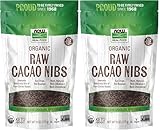
- The information below is per-pack only
- INTENSELY DELICIOUS BITS OF PURE CACAO BEANS: Organic Cacao Nibs are tasty little cocoa bean crumbles with a strikingly rich, delicious, chocolatey flavor
- GREAT AS A TOPPING, SNACK, OR IN BAKING: These beauties have naturally occurring vitamins, minerals, fiber, flavonols, and polyphenols
- RICH FLAVOR: They're perfect for snacking right out of the bag or as a natural substitute for chocolate chips in your favorite recipes
- Keto-Friendly;Kosher (Triangle K);Non-GMO Project Verified;Terracycle;USDA Organic
How Coffee Beans Are Processed
- Coffee beans are harvested from the cherries of the Coffea plant.
- They are processed using methods like washing or natural drying to remove the fruit pulp.
- The beans are then dried thoroughly.
- Roasting is a critical step, turning green coffee beans into the brown, aromatic beans used for brewing.
- After roasting, the beans are cooled and then ground to a specific coarseness depending on the brewing method.
- Hot water is then passed through the ground coffee to extract soluble flavors, oils, and caffeine.
- This liquid is what we commonly refer to as coffee.
What Affects the Result When Brewing Cocoa vs. Coffee
- Bean Type: The fundamental difference between cocoa beans and coffee beans is their origin and inherent chemical makeup. Cocoa comes from Theobroma cacao, while coffee comes from Coffea plants.
- Fermentation (Cocoa): The fermentation process for cocoa beans is essential for developing their rich, complex chocolate flavors. Coffee beans undergo processing, but not typically fermentation in the same way.
- Roasting Levels: Both are roasted, but the temperatures and durations can differ significantly, impacting the final flavor. Dark roasts in coffee can be bitter, while specific cocoa roasts aim for sweetness and depth.
- Grind Size: The fineness or coarseness of the grind affects how easily flavors are extracted. A fine grind is common for espresso, while a coarser grind is used for French press. This applies to both, but the optimal grind differs.
- Water Temperature: Ideal brewing temperatures for coffee are generally between 195-205°F. While hot water is used for cocoa, the precise temperature might be less critical for flavor extraction and more for dissolving.
- Extraction Time: The duration hot water is in contact with the grounds influences the strength and flavor of the beverage. Over-extraction can lead to bitterness in coffee.
- Additives: Cocoa beverages are almost always mixed with sweeteners like sugar, and often milk or cream, which significantly alter the final taste and texture. Coffee is often consumed black or with minimal additions.
- Stimulant Content: Coffee contains caffeine, a potent stimulant. Cocoa contains theobromine, a milder stimulant. This difference is a primary reason people choose one over the other for certain effects.
- Fat Content: Cocoa beans have a higher natural fat content (cocoa butter) than coffee beans. This contributes to the rich mouthfeel of chocolate beverages.
- Acidity: Coffee beans can have varying levels of acidity, contributing to bright or tart notes. Cocoa beans also have acidity, but it’s perceived differently within the context of chocolate flavors.
Pros, Cons, and When It Matters
- Cocoa Beans:
- Pros: Produce rich, chocolatey flavors; contain theobromine for a gentler stimulant effect; can be a comforting, dessert-like beverage.
- Cons: Not coffee; requires additions like sugar for typical palatability; lacks the characteristic “coffee” flavor and caffeine kick.
- When it matters: When you desire a warm, chocolate-flavored drink, perhaps as an evening treat or a caffeine-free alternative.
- Coffee Beans:
- Pros: Produce the familiar, diverse flavors of coffee; high caffeine content for alertness; widely enjoyed and culturally significant.
- Cons: Can be bitter if not brewed properly; caffeine can cause jitters or sleep issues for some; acidity can be a concern for sensitive individuals.
- When it matters: When you need an energy boost, enjoy the complex aromas and tastes of coffee, or are participating in coffee culture.
- The Distinction:
- Pros: Clear understanding of what you’re consuming and the expected experience; ability to choose the right beverage for your needs (energy, flavor, comfort).
- Cons: Misunderstanding can lead to disappointment (e.g., expecting coffee from cocoa).
- When it matters: Every time you prepare or consume a hot beverage, knowing the source and its properties ensures satisfaction.
Common Misconceptions
- Myth: Cocoa beans are a type of coffee bean.
- Reality: They are entirely different plants with distinct origins and chemical compositions.
- Myth: You can substitute cocoa beans for coffee beans in any brewing recipe.
- Reality: This will result in a chocolate drink, not coffee, and the extraction processes are not directly interchangeable.
- Myth: Cocoa beans and coffee beans are processed identically.
- Reality: While both are roasted and ground, key steps like fermentation in cocoa are unique and critical for flavor development.
- Myth: Cocoa has as much caffeine as coffee.
- Reality: Cocoa contains theobromine, a milder stimulant, and significantly less caffeine than coffee.
- Myth: The “bitterness” of cocoa is the same as the “bitterness” of coffee.
- Reality: While both can be bitter, the underlying chemical compounds and flavor profiles are different, leading to distinct bitter notes.
- Myth: You can roast cocoa beans to taste like coffee.
- Reality: Roasting develops existing flavors; it cannot create flavors that aren’t fundamentally present in the bean’s genetic makeup.
- Myth: Chocolate milk is made from coffee beans.
- Reality: Chocolate milk is made from cocoa powder or chocolate, not coffee beans.
FAQ
Can I grind cocoa beans and brew them like coffee?
You can grind cocoa beans and steep them in hot water, but the result will be a chocolate beverage, not coffee. The flavor compounds and extraction properties are different.
What is the difference between cocoa and coffee in terms of stimulants?
Coffee beans contain caffeine, a potent stimulant that provides an energy boost. Cocoa beans contain theobromine, which is a milder stimulant and has a different effect on the body.
Will brewing cocoa beans give me the same flavor as coffee?
No, brewing cocoa beans will produce a chocolatey flavor. Coffee beans, when brewed, yield a beverage with the distinct tastes and aromas associated with coffee, which can range from fruity and floral to nutty and chocolatey, but not pure chocolate.
Are cocoa beans and coffee beans from the same plant?
Absolutely not. Cocoa beans come from the cacao tree (Theobroma cacao), while coffee beans are the seeds of the coffee cherry from plants in the Coffea genus.
Can I add sugar to coffee beans before roasting to make them sweet?
Roasting coffee beans with sugar is not a standard practice and can lead to burning or uneven roasting, affecting the coffee’s quality. Sweeteners are typically added after brewing.
Is it possible to make a drink that tastes like both coffee and chocolate from one bean?
No single bean can produce both pure coffee and pure chocolate flavors. However, some coffee roasts naturally have chocolatey notes, and some chocolate recipes might incorporate coffee for added complexity.
What This Page Does NOT Cover (and Where to Go Next)
- Specific recipes for brewing hot chocolate from whole cocoa beans.
- Detailed comparisons of the chemical compounds in cocoa and coffee.
- Information on the history and cultivation of cacao versus coffee plants.
- Recommendations for specific brands of cocoa or coffee.
- Advanced brewing techniques for either coffee or cocoa beverages.