
Brewing Coffee With Different Types Of Beans
Quick answer
- Yes, you can make coffee from many types of beans, but “coffee beans” specifically refer to the seeds of the coffee plant.
- Arabica and Robusta are the two primary species of coffee beans used globally for brewing.
- Different bean types offer distinct flavor profiles, caffeine levels, and brewing characteristics.
- The roast level significantly impacts the flavor, regardless of the bean type.
- Freshness of the beans is crucial for optimal flavor extraction.
- Understanding bean origins can also provide clues about taste.
Key terms and definitions
- Coffee Bean: Technically the seed of the coffee plant (a cherry-like fruit), roasted and ground for brewing.
- Species: Refers to the main types of coffee plants, primarily Arabica and Robusta.
- Variety: A specific type within a species, like Bourbon or Typica for Arabica.
- Origin: The geographical region where the coffee bean was grown, which influences its flavor.
- Roast Level: The degree to which coffee beans have been heated, impacting color, flavor, and aroma.
- Grind Size: The coarseness or fineness of the coffee grounds, critical for proper extraction.
- Extraction: The process of dissolving soluble compounds from coffee grounds into water.
- Bloom: The initial release of CO2 gas when hot water first hits fresh coffee grounds.
- Acidity: A desirable bright, tart, or citrusy flavor note in coffee, not related to pH.
- Body: The perceived weight or thickness of the coffee in your mouth.
How it works
- Coffee brewing relies on hot water dissolving soluble compounds from roasted coffee grounds.
- These soluble compounds include acids, sugars, lipids, and melanoidins, which contribute to flavor, aroma, and body.
- Different bean species have varying chemical compositions that affect their solubility and flavor potential.
- The cellular structure of the coffee bean, affected by species and processing, influences how easily water can penetrate and extract compounds.
- Roasting breaks down complex carbohydrates and proteins into simpler compounds, developing the characteristic coffee flavors.
- Grinding the beans increases the surface area, allowing water to interact with more of the coffee material.
- The temperature of the water is crucial for efficient extraction; too cool, and flavors are underdeveloped; too hot, and bitterness can result.
- The duration of contact between water and grounds (brew time) determines how much is extracted.
- Pressure, as used in espresso, can also influence extraction by forcing water through finely ground coffee at high speed.
- Filtration methods (paper, metal, cloth) affect which solid particles remain in the final cup, influencing clarity and body.
What affects the result
- Bean Species: Arabica beans generally offer more complex, aromatic, and acidic flavors, while Robusta beans are known for bolder, more bitter, and higher caffeine content.
- Bean Origin: Coffees from Ethiopia might exhibit floral and fruity notes, while those from Sumatra could have earthy or chocolatey characteristics.
- Roast Level: Light roasts preserve more of the bean’s original characteristics, medium roasts offer a balance, and dark roasts develop smoky, bitter, and chocolatey flavors.
- Freshness of Beans: Whole beans are best used within a few weeks of their roast date, and ground coffee loses flavor much faster.
- Grind Size: A fine grind is needed for espresso, medium for drip, and coarse for French press; incorrect grind leads to under- or over-extraction.
- Water Quality: Filtered water is recommended, as tap water with strong mineral or chlorine flavors can negatively impact the coffee’s taste.
- Water Temperature: Ideal brewing temperatures are typically between 195°F and 205°F (90°C to 96°C).
- Coffee-to-Water Ratio: The proportion of coffee grounds to water, often around 1:15 to 1:18 by weight, significantly impacts strength and flavor.
- Brewing Method: Different methods (drip, pour-over, French press, espresso) highlight different aspects of the coffee.
- Brew Time: The length of time water is in contact with the grounds directly influences extraction levels.
- Cleanliness of Equipment: Residual oils and coffee particles can impart stale or bitter flavors to fresh brews.
- Agitation: Stirring or swirling grounds during brewing can affect extraction uniformity.
For those who prefer a bolder flavor and a significant caffeine kick, Robusta beans are a great choice. You can find quality Robusta beans to enhance your morning brew.
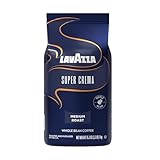
- SUPER CREMA: A 2.2 lb whole bean coffee bag ideal for espresso preparation
- INTENSITY AND ROAST: This full-bodied medium roast offers a bold and creamy finish
- BLEND: Made from Arabica and Robusta beans, this naturally caffeinated blend is sourced from 15 coffee-growing countries around the world
- PREPARATION: Ideal for espresso preparation.
- BREWING GUIDE FOR SINGLE ESPRESSO: 0.28 oz of ground espresso delivers a 1 oz espresso shot
Pros, cons, and when it matters
- Arabica Beans:
- Pros: Complex aromas, diverse flavor profiles (fruity, floral, wine-like), higher perceived quality.
- Cons: Lower caffeine content, more susceptible to disease, often more expensive.
- When it matters: For those who prioritize nuanced flavors and enjoy exploring single-origin coffees.
- Robusta Beans:
- Pros: Higher caffeine content, bolder and more bitter flavor (often described as rubbery or chocolatey), produces a thicker crema in espresso, hardier plant.
- Cons: Less complex flavor, can be perceived as harsh or bitter.
- When it matters: For espresso blends where crema is desired, or for those who prefer a strong caffeine kick.
- Blends:
- Pros: Can balance the characteristics of different beans to create a consistent and desirable flavor profile.
- Cons: May mask the unique qualities of individual origins.
- When it matters: For everyday drinking coffee where balance and consistency are key.
- Single-Origin Coffees:
- Pros: Showcase the unique terroir and processing of a specific farm or region, offer distinct flavor experiences.
- Cons: Flavor can vary significantly, may be more expensive.
- When it matters: For adventurous drinkers interested in exploring the diversity of coffee flavors.
- Roast Levels:
- Pros: Offer a wide spectrum of flavors from bright and acidic to deep and smoky.
- Cons: Can obscure the bean’s origin characteristics if roasted too dark.
- When it matters: To match your personal preference for flavor intensity and type.
- Grind Freshness:
- Pros: Maximizes aroma and flavor, leading to a more vibrant cup.
- Cons: Requires a grinder and a bit more effort.
- When it matters: For anyone serious about achieving the best possible taste in their coffee.
- Water Quality:
- Pros: Clean water allows the coffee’s true flavors to shine.
- Cons: Requires a filter or purchasing bottled water.
- When it matters: To avoid off-flavors that can ruin an otherwise good cup of coffee.
- Brewing Method:
- Pros: Different methods highlight different aspects of the coffee (e.g., French press for body, pour-over for clarity).
- Cons: Requires specific equipment and technique.
- When it matters: To tailor the coffee experience to your desired texture and flavor profile.
Common misconceptions
- “Coffee beans” are all the same: This is false. While they are all seeds from the coffee plant, there are different species, varieties, and origins, each with unique characteristics.
- Darker roasts always mean more caffeine: Caffeine content is primarily determined by the bean species and the amount of coffee used, not the roast level. Lighter roasts can sometimes have slightly more caffeine by weight because less mass is lost during roasting.
- Any bean can be used for any brewing method: While technically true that you can grind and brew anything, different bean types and roast levels perform better with specific brewing methods and grind sizes for optimal results.
- “Coffee beans” are actual beans like kidney beans: Coffee beans are the seeds of the coffee plant’s fruit (cherries), not legumes.
- Freshly roasted coffee is always best immediately: While freshness is key, coffee often benefits from a few days to a week of “degassing” after roasting to allow some CO2 to escape and flavors to mellow.
- More coffee grounds equals stronger flavor: Over-extraction can occur if too much coffee is used relative to water, leading to bitterness rather than just strength.
- Espresso is a type of bean: Espresso is a brewing method that uses finely ground coffee and high pressure, not a specific type of bean.
- All coffee should taste bitter: Bitterness is only one component of coffee flavor. Well-brewed coffee should have a balance of sweetness, acidity, and body, with bitterness being a minor or pleasant note depending on the roast.
- Instant coffee is made from different beans: Instant coffee is typically made from brewed coffee (often Robusta or blends) that is then dehydrated. The beans used are still coffee beans.
- You need expensive equipment for good coffee: While high-end gear can help, excellent coffee can be made with simple tools like a pour-over cone and a good grinder.
FAQ
Can you make coffee out of beans other than coffee beans?
No, “coffee beans” specifically refer to the seeds of the coffee plant. While other beans exist, they cannot be roasted and brewed to produce coffee.
What are the main types of coffee beans?
The two primary species are Arabica and Robusta. Arabica is prized for its complex flavors and aroma, while Robusta is known for its boldness and higher caffeine content.
Does the origin of the coffee bean matter for taste?
Yes, the origin significantly impacts flavor. Factors like climate, soil, and altitude contribute to unique taste profiles, such as fruity notes from Ethiopia or earthy notes from Sumatra.
How does roasting affect different bean types?
Roasting develops the flavors inherent in the bean. Lighter roasts highlight origin characteristics and acidity, while darker roasts bring out bolder, more caramelized, and sometimes smoky flavors, which can mask subtle origin notes.
Is it okay to mix different types of coffee beans?
Yes, mixing different coffee beans is common, especially in espresso blends. This is done to achieve a balanced flavor profile, consistent crema, or a specific caffeine level.
Can I use any bean for my French press or pour-over?
While you can physically grind and brew any coffee bean, certain beans and roast levels are better suited for specific methods. For example, medium to dark roasts often work well in a French press, while lighter roasts can shine in a pour-over.
Does the freshness of the bean type matter?
Absolutely. Regardless of the bean type, freshness is paramount for optimal flavor. Beans are best used within a few weeks of their roast date.
What is the difference between Arabica and Robusta beans in terms of caffeine?
Robusta beans typically contain about twice the amount of caffeine as Arabica beans. This makes Robusta a popular choice for those seeking a stronger energy boost.
How can I tell if I have good quality coffee beans?
Look for whole beans with a recent roast date, an appealing aroma, and information about the origin and processing. Avoid beans that look oily and dull, which may indicate they are stale.
What this page does NOT cover (and where to go next)
- Specific brewing recipes for each bean type. (Next: Explore brewing guides for your chosen method.)
- Detailed tasting notes for every single coffee origin and variety. (Next: Consult coffee tasting guides and reviews.)
- The complex agricultural and economic aspects of coffee farming. (Next: Research sustainable coffee sourcing and fair trade practices.)
- Advanced roasting techniques and their impact. (Next: Look into home roasting resources if interested.)
- In-depth analysis of coffee plant genetics. (Next: Explore resources on coffee botany and cultivation.)