
Can You Make Coffee From Cacao Beans? Exploring the Possibilities
Quick Answer
- Cacao beans can be roasted and ground, but the resulting beverage is not coffee.
- It produces a chocolatey, caffeine-free drink often referred to as “cacao tea” or “hot cocoa.”
- The flavor profile is distinctly different from coffee, lacking the characteristic bitterness and acidity.
- While it shares the roasting and grinding process with coffee, the source material fundamentally changes the outcome.
- This beverage can be a good alternative for those avoiding caffeine or seeking a chocolate-flavored hot drink.
Key Terms and Definitions
- Cacao Beans: The dried and fermented seeds of the Theobroma cacao tree, the primary ingredient in chocolate.
- Roasting: A process of applying heat to cacao beans to develop their flavor, aroma, and color.
- Grinding: The mechanical process of breaking down roasted cacao beans into smaller particles.
- Brewing: The method of extracting flavor and soluble compounds from ground cacao beans using hot water.
- Caffeine: A natural stimulant found in coffee beans, tea leaves, and cacao beans, though in much lower amounts in cacao.
- Theobromine: A naturally occurring stimulant found in cacao, structurally similar to caffeine but with milder effects.
- Acidity: A tart, bright flavor note often present in coffee, derived from organic acids.
- Bitterness: A sharp, sometimes unpleasant taste often associated with coffee, influenced by roast level and bean type.
- Chocolate Liquor: A paste made from finely ground roasted cacao beans, containing cocoa solids and cocoa butter.
- Cocoa Powder: The dry solids left after cocoa butter is removed from chocolate liquor, often used in baking and beverages.
How It Works
- Cacao beans are harvested from pods grown on Theobroma cacao trees.
- The beans undergo fermentation, a crucial step that develops their complex flavor precursors.
- After fermentation, the beans are cleaned and dried to reduce moisture content.
- Roasting is the next critical stage, where heat transforms the raw beans, unlocking aromatic compounds and developing color. The temperature and duration of roasting significantly impact the final flavor.
- Once roasted, the beans are cooled and then ground. This process breaks down the beans into smaller particles, similar to how coffee beans are ground.
- The ground cacao can then be steeped or brewed with hot water.
- This brewing process extracts soluble compounds, including flavor molecules and some natural stimulants like theobromine.
- The resulting liquid is typically strained to remove the solid grounds, yielding a beverage.
- Unlike coffee, which relies on specific compounds like chlorogenic acids for its characteristic taste, cacao’s flavor comes from different chemical reactions during roasting.
To begin your journey into brewing with cacao, consider starting with high-quality roasted cacao nibs. These are essentially crushed roasted cacao beans, perfect for grinding and brewing.
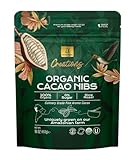
- SINGLE-ORIGIN, FRESH FROM OUR FARM: Harvested and minimally processed at our own farm in the Peruvian Amazon. These nibs are as close to the cacao tree as you can get — pure, traceable, and bursting with authentic flavor.
- NO INTERMEDIARIES, FULL TRACEABILITY: We control the entire process from our farm to you. This direct model guarantees the highest quality standards, complete transparency, and a product crafted with care at every step.
- 100% USDA ORGANIC & PURE: Made with just one all-natural ingredient — our certified organic cacao beans. Roasted, unsweetened, and free from additives, fillers, and preservatives.
- ALLERGEN-FREE FACILITY: Produced in a dedicated facility free from the major FDA-recognized allergens, including gluten, dairy, and nuts. A clean, worry-free ingredient for any diet.
- BOLD FLAVOR, ENDLESS USES: These crunchy nibs add a deep, intense chocolate bite to smoothie bowls, granola, trail mix, baked goods, and yogurt. Naturally rich in cocoa flavanols and magnesium — a satisfying, guilt-free crunch.
What Affects the Result
- Cacao Bean Variety: Different varieties of cacao (e.g., Criollo, Forastero, Trinitario) have distinct inherent flavor profiles that carry through the process.
- Fermentation Process: The duration and conditions of fermentation directly influence the development of flavor precursors, impacting the final taste of the brewed beverage.
- Roast Level: Light roasts will preserve more of the bean’s original fruity or floral notes, while dark roasts will bring out deeper, more chocolatey, and sometimes smoky flavors.
- Roast Temperature and Time: Over-roasting can lead to burnt or bitter flavors, while under-roasting may result in a bland or undeveloped taste.
- Grind Size: A finer grind will extract more flavor compounds, potentially leading to a stronger, more intense beverage, while a coarser grind may result in a lighter taste.
- Water Temperature: Using water that is too hot can scald the grounds and extract bitter compounds, while water that is too cool may not extract enough flavor. A temperature similar to coffee brewing, around 195-205°F, is often suitable.
- Brewing Method: Methods like steeping (similar to tea), French press, or even a simplified pour-over can be used, each influencing the extraction and final texture.
- Ratio of Cacao to Water: Adjusting the amount of ground cacao used per cup of water will alter the strength and intensity of the beverage.
- Additives: Ingredients like sugar, milk, spices (cinnamon, chili), or vanilla can significantly alter the final flavor profile.
- Freshness of Roasted Beans: Like coffee, the flavor of roasted cacao beans can degrade over time, so using freshly roasted beans is ideal for the best taste.
- Water Quality: The mineral content and purity of the water used can affect the extraction of flavors, just as it does with coffee.
Pros, Cons, and When It Matters
- Pro: Caffeine-Free Alternative: For individuals sensitive to caffeine or looking to reduce their intake, cacao tea offers a stimulating yet caffeine-free hot beverage option.
- Con: Lacks Coffee Flavor: If you are seeking the specific taste of coffee – its bitterness, acidity, and aroma – cacao will not replicate it.
- Pro: Rich Chocolate Flavor: The primary appeal is its inherent, rich chocolatey taste, which can be very satisfying on its own or enhanced with other flavors.
- Con: Different Stimulant: While caffeine-free, cacao contains theobromine, which provides a milder stimulant effect. Some may still be sensitive to it.
- Pro: Potential Health Benefits: Cacao is rich in antioxidants and flavonoids, which are associated with various health benefits, though these are best obtained from minimally processed cacao.
- Con: Can Be Bitter: Depending on the roast and brewing, the beverage can sometimes be quite bitter, requiring sweeteners or other additions for palatability.
- Pro: Versatile: It can be enjoyed black, or easily sweetened and flavored with milk, spices, or sweeteners to create a more complex drink.
- Con: Preparation Can Be Messy: Grinding roasted beans at home can create dust, and the brewing process may leave more sediment than typical coffee filters.
- Pro: Novelty and Exploration: For coffee enthusiasts, it offers a chance to explore a different type of roasted bean beverage, expanding home brewing horizons.
- Con: Requires Specific Equipment: While not complex, you’ll need a grinder and a brewing method suitable for grounds, similar to some coffee brewing setups.
- Pro: Satisfies Chocolate Cravings: It’s a way to enjoy a warm, comforting drink that fulfills a desire for chocolate without the added sugar and fat of many processed chocolate treats.
- Con: Flavor Can Be Acquired Taste: The earthy, sometimes slightly sour notes of pure cacao can be an acquired taste for those accustomed to highly sweetened chocolate products.
Common Misconceptions
- Misconception: Cacao beans are just unripe cocoa beans. While related, “cacao” typically refers to the raw or minimally processed bean, while “cocoa” often refers to beans that have been roasted and processed into powder or chocolate.
- Misconception: Cacao tea tastes like coffee. The flavor profiles are fundamentally different due to the distinct chemical compounds in each bean. Cacao is chocolatey; coffee is bitter and acidic.
- Misconception: Cacao contains no stimulants. Cacao beans do contain theobromine, a milder stimulant than caffeine, and a small amount of caffeine.
- Misconception: You can substitute coffee beans for cacao beans in a coffee maker. While you can use a coffee maker to brew cacao, the results will not be coffee, and the machine might not be ideal for the oily nature of cacao.
- Misconception: All cacao beans will produce the same flavor. Like coffee, the origin, varietal, fermentation, and roast all dramatically impact the final taste.
- Misconception: Cacao tea is the same as hot chocolate. Hot chocolate typically uses processed cocoa powder and significant amounts of sugar and milk, whereas cacao tea is made from brewed roasted beans and is often enjoyed with fewer additions.
- Misconception: Roasting cacao is identical to roasting coffee. While both involve heat, the optimal temperatures and times, as well as the resulting chemical changes, differ to bring out their unique characteristics.
- Misconception: Cacao beans are naturally sweet. Raw cacao beans are quite bitter and acidic; sweetness comes from the processing and addition of sugar or other sweeteners.
FAQ
Q: Can I use my regular coffee grinder for cacao beans?
A: Yes, a burr grinder is generally suitable for grinding roasted cacao beans. However, be aware that cacao beans contain more natural oils (cocoa butter) than coffee beans, which can leave a residue. It’s a good idea to clean your grinder thoroughly afterward.
Q: How much caffeine is in cacao tea?
A: Cacao beans contain significantly less caffeine than coffee beans. A typical serving of cacao tea will have a much lower caffeine content, often in the range of 5-20 mg per serving, compared to coffee’s 95-200 mg per serving.
Q: Does cacao tea have theobromine?
A: Yes, cacao is naturally rich in theobromine, a stimulant that is chemically similar to caffeine but has a milder and longer-lasting effect. It’s responsible for some of the stimulating properties of chocolate.
Q: What is the best way to brew cacao tea?
A: There isn’t one single “best” way, as it depends on your preference. Many find success with methods similar to brewing coffee, such as a French press or a pour-over. Simply steeping the grounds in hot water for several minutes also works, akin to making tea.
Q: Can I use pre-ground cacao powder to make this drink?
A: While you can make a drink from cacao powder, it’s a different process than brewing from roasted beans. Brewing from roasted beans yields a beverage closer to “cacao tea,” capturing more of the bean’s natural oils and complex flavor profile. Cacao powder is typically used for hot chocolate or baking.
Q: How long should I roast cacao beans for brewing?
A: Roasting times and temperatures vary greatly depending on the bean origin, desired flavor profile, and your equipment. Generally, roasting occurs at temperatures between 250-350°F for 20-60 minutes. It’s often best to experiment or follow specific recipes for home roasting.
Q: Is cacao tea healthy?
A: Pure cacao is rich in antioxidants, minerals, and flavonoids. However, the health benefits depend heavily on how it’s prepared. Brewing from roasted beans with minimal additions will retain more of these beneficial compounds than heavily sweetened, milk-based chocolate drinks.
What This Page Does Not Cover (and Where to Go Next)
- Specific Bean Varietals and Origins: This article discusses general principles. For deeper dives, research specific cacao bean origins (e.g., Ecuador, Peru) and their unique flavor notes.
- Advanced Roasting Techniques: Detailed methods for home roasting, including specific temperature curves and equipment recommendations, are beyond this scope.
- Commercial Production Processes: This focuses on home brewing. Information on industrial-scale chocolate making is a separate topic.
- Nutritional Breakdowns: While general health aspects are mentioned, detailed nutritional analysis of different cacao preparations is not provided.
- Commercial Cacao Products: This article is about brewing from beans, not about the wide variety of commercially available chocolate bars, powders, or pre-made drinks.