
Brewing Coffee With Unroasted Beans
Quick answer
- You can technically brew coffee from unroasted beans, but it’s not the same experience.
- Green coffee beans lack the aroma and flavor developed during roasting.
- The resulting brew will be weak, grassy, and likely quite bitter.
- Roasting is what unlocks the complex flavors and aromas we associate with coffee.
- If you’re curious, you can try it, but don’t expect a cup of joe you’ll crave daily.
- For a good cup, roasting is a crucial step.
If you’re truly interested in unlocking the full potential of coffee, consider exploring home coffee roasting. It’s a rewarding process that transforms green beans into aromatic coffee.
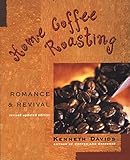
- Davids, Kenneth (Author)
- English (Publication Language)
- 256 Pages - 11/20/2003 (Publication Date) - St. Martin's Griffin (Publisher)
Key terms and definitions
- Green Coffee Beans: These are coffee beans that have not yet been roasted. They are typically hard, dense, and have a grassy or earthy smell.
- Roasting: The process of heating green coffee beans to high temperatures. This develops their characteristic flavor, aroma, and color.
- Maillard Reaction: A complex chemical reaction that occurs during roasting, responsible for browning and creating hundreds of flavor compounds.
- Degassing: After roasting, coffee beans release carbon dioxide. This process is important for optimal flavor extraction.
- Aroma: The smell of coffee, a significant part of the overall sensory experience.
- Flavor Profile: The unique set of tastes and aromas that characterize a specific coffee.
- Acidity: In coffee, this refers to a bright, tangy, or fruity quality, not sourness.
- Body: The weight or mouthfeel of the coffee on your palate.
- Extraction: The process of dissolving soluble compounds from coffee grounds into water.
- Brewing: The method used to combine coffee grounds and water to create a beverage.
How it works
- Green coffee beans are the raw material. Think of them like unpopped popcorn.
- They contain sugars, acids, and other compounds, but they’re locked away.
- Roasting heats these beans, triggering chemical changes.
- The Maillard reaction and caramelization create hundreds of new flavor compounds.
- Heat also drives off moisture and causes the beans to expand.
- This transformation is what gives coffee its rich color, aroma, and taste.
- Without roasting, you’re essentially steeping raw seeds.
- The water can’t effectively dissolve the desirable compounds.
- You end up with a very different, less appealing beverage.
What affects the result
- Roasting: This is the big one. Unroasted beans simply don’t have the compounds that make coffee taste like coffee.
- Bean Type: Even among green beans, there are variations in origin and varietal, but roasting is the primary driver of taste.
- Water Quality: Always use good, filtered water. It matters for any brew.
- Water Temperature: For brewed coffee, temperature is key. For unroasted, it’s less about optimization and more about just getting something out.
- Grind Size: A finer grind might release a bit more, but it won’t magically create flavor.
- Brewing Method: Drip, French press, espresso – they all extract differently, but starting with unroasted beans is the main hurdle.
- Brew Time: Longer contact time might yield a slightly stronger taste, but again, the base material is lacking.
- Freshness (of green beans): Green beans can last a long time, but their potential is only realized after roasting.
- Your Expectations: This is crucial. If you expect a delightful cup, you’ll be disappointed.
Pros, cons, and when it matters
- Pro: You can technically say you made coffee from unroasted beans. It’s a conversation starter.
- Con: The taste is overwhelmingly grassy, vegetal, and often quite bitter. Not enjoyable for most.
- Con: Lacks the complex aromas we associate with good coffee. It smells like raw seeds.
- Con: The body and mouthfeel will be thin and watery.
- Pro: Green beans are stable and can be stored for a long time.
- Con: Brewing unroasted beans is an inefficient way to get caffeine. You’d need a lot.
- When it matters: It matters if you’re a researcher studying coffee chemistry or a very adventurous experimenter.
- When it matters: It doesn’t matter if you’re looking for a delicious, satisfying cup of coffee.
- Pro: Might be interesting for home roasters to taste the “before” state.
- Con: You might waste good water and time on a less-than-stellar outcome.
- Con: It’s not a shortcut to coffee; it’s just a different product entirely.
- Pro: Can be a learning experience about the roasting process.
Common misconceptions
- Misconception: Unroasted beans are just “raw coffee” and will taste like mild coffee.
- Reality: They taste nothing like roasted coffee. Think raw potato vs. baked potato.
- Misconception: You can just grind them and brew them like normal.
- Reality: You can, but the result is weak and vegetal, not coffee-like.
- Misconception: Roasting is just about making beans brown.
- Reality: Roasting is a complex chemical process that creates flavor.
- Misconception: You can get more caffeine from unroasted beans.
- Reality: Caffeine is present, but extraction is poor, and the taste is the main issue.
- Misconception: If I brew them really strong, they’ll taste good.
- Reality: You’ll just get a very strong, very grassy, bitter liquid.
- Misconception: Unroasted beans are the same as green tea leaves.
- Reality: They are completely different plants with different chemical compositions and intended uses.
- Misconception: All green coffee beans are the same.
- Reality: While they are all unroasted, origin and varietal still matter, but roasting is the primary flavor transformer.
FAQ
Can I actually drink coffee made from unroasted beans?
Yes, you can technically drink it. It’s not toxic. However, most people find the flavor profile extremely unpleasant – think grassy and vegetal.
What does unroasted coffee taste like?
It tastes like raw seeds. You’ll get notes of grass, hay, sometimes even earth or raw legumes. It lacks the sweetness, chocolate, fruit, or nutty notes developed during roasting.
Is it worth trying to brew unroasted beans at home?
For most coffee drinkers, no. It’s an interesting experiment for the truly curious or someone trying to understand the roasting process better. Don’t expect a daily driver.
How do I brew unroasted beans if I want to try?
Treat them like regular coffee beans. Grind them to your preferred coarseness for your brewing method (drip, French press, etc.) and brew with hot water. You might need to experiment with ratios and brew times.
Regardless of whether your beans are roasted or unroasted, a good coffee bean grinder is essential for achieving the right consistency for your brewing method.
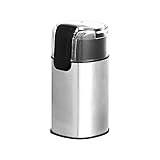
- Electric coffee bean grinder appliance for home use
- Can grind 30 grams/1 ounce of beans for drip coffee brewing in 10 seconds
- Grind coffee beans, herbs, spices, grains, nuts, and more
- Clear safety lid allows you to easily see the results in progress
- Heavy-duty stainless steel grind blade
Will I get caffeine from unroasted beans?
Yes, caffeine is present in green coffee beans. However, the extraction process is less efficient than with roasted beans, and the unpalatable taste will likely limit how much you can consume.
Are green coffee beans safe to eat?
Yes, green coffee beans are safe to consume. They are the raw ingredient for coffee. The main issue is their lack of desirable flavor and aroma.
Where can I get unroasted coffee beans?
You can find them online from specialty coffee suppliers or companies that sell home roasting equipment. They are often labeled as “green coffee beans” or “raw coffee beans.”
What is the main difference between green and roasted coffee?
The primary difference is the chemical transformation that occurs during roasting. Roasting develops hundreds of aromatic compounds, sugars caramelize, and the bean’s structure changes, creating the flavors and aromas we love.
What this page does NOT cover (and where to go next)
- Home roasting techniques: This page focuses on brewing unroasted beans, not the process of roasting them yourself. Look for guides on drum roasters, air roasters, or pan roasting.
- Specific bean origins and their unroasted characteristics: While origin matters, the flavor development is so drastic with roasting that tasting unroasted beans from different places isn’t as revealing as tasting roasted beans.
- The science of coffee chemistry in depth: This article touches on chemical reactions but doesn’t dive deep into the specific compounds or detailed molecular changes.
- Comparisons of different brewing methods with unroasted beans: The outcome is so similar (unpleasant) that detailed comparisons are less useful. Focus on standard brewing guides for roasted coffee.