
From Cocoa Beans to Coffee: The Transformation Process
Quick Answer
- While both cocoa beans and coffee beans are seeds from tropical plants, they undergo vastly different processing to create their respective beverages.
- Cocoa beans are fermented, dried, roasted, ground into a paste, and often mixed with sugar and milk to make chocolate or hot cocoa.
- Coffee beans are typically dried, then roasted at high temperatures, and finally ground for brewing with hot water.
- The chemical compounds and flavor profiles of cocoa and coffee are distinct, making direct substitution impossible for a traditional coffee drink.
- Therefore, can cocoa beans make coffee? No, not in the way we understand and enjoy coffee.
Key Terms and Definitions
- Cocoa Bean: The seed of the Theobroma cacao tree, the primary ingredient in chocolate and cocoa powder.
- Coffee Bean: Technically the seed of the coffee cherry, from the Coffea plant, used to make coffee.
- Fermentation (Cocoa): A crucial step in cocoa processing where microbes break down sugars, developing complex flavors and aromas.
- Roasting: A heat-treatment process that develops the characteristic flavors and aromas in both cocoa and coffee beans.
- Grinding: The process of breaking down roasted beans into smaller particles, increasing surface area for extraction.
- Extraction: The process of dissolving soluble compounds from ground coffee or cocoa into water.
- Theobromine: A stimulant found in cocoa beans, similar to caffeine but with a milder effect.
- Caffeine: A stimulant found in coffee beans, known for its energizing properties.
- Alkalis (Cocoa Processing): Chemicals, like potassium carbonate, sometimes added to cocoa powder to reduce acidity and darken color (Dutch-processing).
- Conching (Chocolate Making): A process where chocolate paste is agitated and aerated for hours or days, refining texture and flavor.
How Cocoa Beans Are Processed
- Harvesting: Ripe cocoa pods are harvested from the cacao tree.
- Fermentation: The beans and pulp are removed from the pods and allowed to ferment for several days. This is a critical step for flavor development, breaking down bitter compounds and creating precursors to desirable aromas.
- Drying: After fermentation, the beans are spread out and dried, usually in the sun, to reduce moisture content and prevent mold.
- Cleaning and Sorting: Dried beans are cleaned to remove debris and then sorted by size and quality.
- Roasting: Cocoa beans are roasted at temperatures typically ranging from 250°F to 320°F (120°C to 160°C). The roasting time and temperature vary based on bean type and desired flavor profile. This process develops the characteristic chocolatey aromas.
- Winnowing: The roasted beans are cracked, and the shells are separated from the inner nibs.
- Grinding (Cocoa Liquor): The cocoa nibs are ground into a thick liquid paste called cocoa liquor or chocolate liquor. This paste contains cocoa solids and cocoa butter.
- Further Processing (Chocolate/Cocoa Powder): Cocoa liquor can be further processed. For chocolate, it’s often mixed with sugar, milk solids, and other ingredients, then conched. For cocoa powder, much of the cocoa butter is pressed out, and the remaining solids are ground into a powder, sometimes with alkalizing agents.
For a more direct route to chocolatey goodness, consider using good quality cocoa powder. It’s a versatile ingredient for baking and creating delicious hot cocoa.

- REACH YOUR RICHEST CHOCOLATE FLAVOR: Experience this cocoa powder's fabulous high fat content of 22-24% that'll give you the freedom to create rich, fudgy creations with chocolate depth and intensity like never before. Whether it's a decadent dessert or a dreamy drink, this Dutch processed cocoa powder will bestow bold and beautiful chocolate flavor.
- DUTCHED FOR DELICIOUSNESS: Drift into a Dutch processed dreamland where bitterness is banished and blissful baking begins. Our cocoa powder is Dutch processed, which helps to remove bitterness and create smooth, chocolatey flavor.
- MEET YOUR NEW GO-TO COCOA COMPANION: No cocoa connoisseur's collection is complete without a pouch of our culinary grade Dutch processed cocoa powder. With its unmatched versatility, it’s the cocoa powder companion for righteously rich brownies, marvelously moist cakes, and sensationally silky frostings that’ll have you saying ‘fudge yeah’ with every bite.
- NON-GMO, FAIR TRADE, UNSWEETENED, DUTCH PROCESSED COCOA POWDER: We sourced the globe to find the highest quality, all-natural, non-GMO cocoa beans for use in our 22-24% fat culinary grade cocoa powder. Our Dutch Cocoa is fair-trade certified by Fair Trade USA, enabling you to feel confident in the sustainable, supportive supply chain that brings cocoa from us to you. Savor the satisfaction of starting with premium, wholesome ingredients for all of your chocolate baking needs.
- BAKE A DIFFERENCE WITH US: When you purchase Modern Mountain products, your great baking helps to give back to people and our planet. Our Rise Up Baking Scholarship supports aspiring bakers with a bit of dough for their first year of a Baking & Pastry Arts program. Additionally, our partnership with 1% for the Planet means that a portion of every purchase is donated to environmental causes that help to heal and support our Earth.
If you’re interested in the raw ingredient, high-quality cocoa beans are essential for developing rich chocolate flavors. You can find excellent options to explore the initial stages of processing.
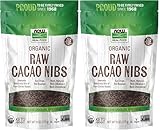
- The information below is per-pack only
- INTENSELY DELICIOUS BITS OF PURE CACAO BEANS: Organic Cacao Nibs are tasty little cocoa bean crumbles with a strikingly rich, delicious, chocolatey flavor
- GREAT AS A TOPPING, SNACK, OR IN BAKING: These beauties have naturally occurring vitamins, minerals, fiber, flavonols, and polyphenols
- RICH FLAVOR: They're perfect for snacking right out of the bag or as a natural substitute for chocolate chips in your favorite recipes
- Keto-Friendly;Kosher (Triangle K);Non-GMO Project Verified;Terracycle;USDA Organic
What Affects the Result
- Bean Variety: Just as there are different types of coffee beans (Arabica, Robusta), there are different varieties of cacao beans (Criollo, Forastero, Trinitario), each with unique flavor potentials.
- Fermentation Quality: Inadequate or excessive fermentation of cocoa beans can lead to off-flavors, such as moldy or smoky notes, preventing the development of desirable chocolate characteristics.
- Roasting Profile: The temperature and duration of roasting significantly impact the final flavor. Too light a roast can result in a grassy or underdeveloped flavor, while too dark a roast can create burnt or ashy notes in both cocoa and coffee.
- Grind Size: For cocoa, the grinding process creates a paste. For coffee, the grind size is crucial for proper extraction during brewing. A grind that is too fine can lead to over-extraction and bitterness, while too coarse a grind can result in under-extraction and a weak, sour cup.
- Processing Additives: For cocoa, ingredients like sugar, milk, vanilla, and emulsifiers are added to create chocolate or hot cocoa mixes. These are not part of coffee production.
- Water Quality and Temperature (for brewing): While cocoa is often mixed with milk and water, the quality and temperature of the liquid used will affect the final beverage. For coffee, water temperature is critical for optimal extraction.
- Post-Roast Processing: Cocoa beans undergo further steps like conching to achieve specific textures and flavors for chocolate. Coffee beans are typically ground shortly before brewing.
- Freshness of Beans: Both cocoa and coffee beans degrade over time. Stale beans will yield less vibrant flavors, whether intended for chocolate or coffee.
Pros, Cons, and When It Matters
- Cocoa Processing for Chocolate:
- Pros: Develops rich, complex, and sweet flavors associated with chocolate; results in a wide variety of products from dark chocolate to milk chocolate and cocoa powder.
- Cons: Requires extensive processing steps including fermentation and conching; the end product is not suitable for making a coffee-like beverage.
- When it matters: When you want to enjoy the distinct taste and texture of chocolate or a warm, sweet cocoa drink.
- Coffee Bean Processing for Coffee:
- Pros: Develops the characteristic bold, aromatic, and often bitter flavors of coffee; allows for a wide range of brewing methods and flavor profiles.
- Cons: Can be perceived as bitter or acidic by some; processing requires careful roasting and grinding for optimal results.
- When it matters: When you desire the stimulating effect and specific flavor profile of a coffee beverage, whether it’s a morning espresso, a drip coffee, or a cold brew.
- The Fundamental Difference:
- Pros: Each bean type is optimized for its intended beverage, ensuring distinct and enjoyable experiences.
- Cons: You cannot substitute one for the other to achieve the desired taste or effect.
- When it matters: Understanding this difference is key to avoiding disappointment when trying to replicate a beverage.
Common Misconceptions
- Myth: Cocoa beans and coffee beans are interchangeable for making beverages.
- Reality: They are processed differently and have distinct chemical compositions, resulting in entirely different flavors and properties.
- Myth: Roasting cocoa beans is the same as roasting coffee beans.
- Reality: While both involve heat, the temperatures, durations, and objectives of roasting are different, leading to unique flavor developments.
- Myth: Cocoa beans contain caffeine, so they can be used as a coffee substitute for energy.
- Reality: Cocoa beans contain theobromine, which is a stimulant, but it’s milder and has a different effect than the caffeine found in coffee.
- Myth: All chocolate comes from the same type of cocoa bean.
- Reality: Like coffee, there are different varieties of cacao beans, and their origin and processing significantly influence the final chocolate flavor.
- Myth: You can just grind up cocoa beans and brew them like coffee.
- Reality: The resulting liquid would be a form of cocoa liquor, not coffee, and would likely be very bitter and oily without further processing or dilution with milk and sugar.
- Myth: The “bitterness” in both cocoa and coffee is the same.
- Reality: While both can be bitter, the compounds responsible for bitterness and the overall flavor profiles are distinct.
FAQ
Q: Can I brew cocoa beans like I brew coffee beans?
A: No, you cannot brew cocoa beans like coffee beans. The process for developing cocoa into a beverage involves fermentation, roasting, and grinding into a paste (cocoa liquor), which is then typically mixed with sugar and milk to create hot cocoa or chocolate. Brewing cocoa nibs directly with water would not yield a coffee-like beverage.
Q: What is the main stimulant in cocoa beans?
A: The primary stimulant in cocoa beans is theobromine. It’s chemically similar to caffeine but has a milder stimulating effect and is often described as providing a gentler lift rather than the sharp jolt from caffeine.
Q: Why don’t cocoa beans taste like coffee?
A: Cocoa beans and coffee beans come from different plant species (Theobroma cacao vs. Coffea) and have fundamentally different chemical compositions. Their unique processing methods, especially fermentation and roasting, are designed to bring out distinct flavor compounds.
Q: Is the roasting process for cocoa and coffee beans identical?
A: No, the roasting processes differ. While both involve heat to develop flavor, the specific temperatures, durations, and desired outcomes are distinct for cocoa and coffee beans, leading to their unique aromatic profiles.
Q: If I grind roasted cocoa beans, what will I get?
A: Grinding roasted cocoa beans produces cocoa liquor, which is a thick, paste-like liquid. This is the base for making chocolate and is not typically consumed on its own as a beverage like brewed coffee.
Q: Can I add cocoa powder to my coffee?
A: Yes, you can add cocoa powder to coffee. This is a common practice to create mocha-flavored coffee drinks. The cocoa powder provides chocolate notes that complement the coffee flavor.
Q: Are there any health benefits to theobromine in cocoa?
A: Theobromine in cocoa is associated with some potential health benefits, such as mood enhancement and mild cardiovascular effects. However, the overall health impact depends on the quantity consumed and other ingredients in the cocoa product.
What This Page Does NOT Cover (and Where to Go Next)
- Detailed chemical analysis of flavor compounds in cocoa vs. coffee: For a deeper dive into the specific molecules that create their distinct tastes, you would need to consult scientific literature on food chemistry.
- Specific roasting profiles for different cacao varietals: Information on optimal roasting for various types of cacao beans can be found in specialized chocolate-making resources.
- The history of chocolate and coffee production: For historical context and cultural significance, explore books and documentaries on the origins and evolution of these beverages.
- Recipes for making chocolate from scratch: If you’re interested in the intricate process of transforming cocoa liquor into finished chocolate bars, look for resources dedicated to artisanal chocolate making.
- Brewing techniques for different coffee roast levels: Understanding how to best brew light, medium, and dark roasts of coffee is a topic best explored in guides focused on coffee brewing methods.