
Why Coffee Might Not Keep You Awake
Quick Answer
- Caffeine tolerance is a big one. You might just be used to it.
- Genetics play a role in how you process caffeine. Some people are just naturally less sensitive.
- The type of coffee bean and roast can affect caffeine levels. Lighter roasts sometimes have more.
- How much you actually drink matters. A small cup might not do much.
- Your sleep debt is a factor. If you’re severely sleep-deprived, coffee might just bring you back to baseline.
- Other lifestyle factors, like stress or diet, can influence your energy levels.
Key Terms and Definitions
- Caffeine: The natural stimulant found in coffee beans. It blocks adenosine, a neurotransmitter that makes you feel tired.
- Adenosine: A chemical in your brain that builds up throughout the day, signaling tiredness. Caffeine mimics its shape but doesn’t activate the receptors, preventing the sleepy signal.
- Tolerance: When your body adapts to regular caffeine intake, requiring more to achieve the same effect.
- Half-life: The time it takes for the amount of a substance (like caffeine) in your body to reduce by half. For caffeine, this is typically around 5 hours but can vary.
- Sleep Debt: The cumulative effect of not getting enough sleep over time. Even with coffee, you might still feel the effects of chronic lack of sleep.
- Genetics: Your inherited traits that can influence how your body metabolizes caffeine and how sensitive you are to its effects.
- Roast Level: How long and at what temperature coffee beans are roasted. Lighter roasts generally retain more caffeine than darker roasts.
- Brewing Method: The technique used to extract coffee from grounds. Different methods can affect the final caffeine concentration.
- Decaffeination: A process that removes most, but not all, of the caffeine from coffee beans.
How Coffee Brewing Works
- Coffee brewing is all about extraction. You’re pulling out soluble compounds from roasted coffee beans using hot water.
- Hot water acts as a solvent. It dissolves the oils, acids, sugars, and caffeine that give coffee its flavor and kick.
- The grind size of the coffee beans is crucial. Finer grinds have more surface area, leading to faster extraction. Coarser grinds mean slower extraction.
- Contact time between water and coffee grounds matters. Longer contact usually means more extraction.
- Temperature of the water is key. Too hot, and you can scorch the grounds, leading to bitter coffee. Too cool, and you won’t extract enough.
- Pressure can also be a factor, especially in methods like espresso. It forces water through finely ground coffee quickly.
- The goal is to find the sweet spot – extracting the good stuff without pulling out too many bitter compounds.
- This balance is what makes a cup of coffee taste great and, hopefully, give you that boost.
What Affects Your Coffee Energy
- Water Quality: Tap water with strong minerals or chlorine can mess with flavor and extraction. Filtered water is usually best.
- Coffee Bean Freshness: Stale beans lose their volatile aromatic compounds, impacting flavor and potentially how you perceive the coffee’s effect.
- Grind Size: Too fine a grind can over-extract, making coffee bitter and potentially less energizing if the balance is off. Too coarse can under-extract, leading to weak, sour coffee.
- Coffee-to-Water Ratio: This is your brew ratio. Too little coffee means a weak brew. Too much can be overwhelming or just too strong to enjoy. A common starting point is 1:15 to 1:18 (grams of coffee to grams of water).
- Water Temperature: Aim for water between 195°F and 205°F. Water too hot or too cold can lead to poor extraction and a less satisfying cup.
- Brewing Method: Drip machines, pour-overs, French presses, and espresso machines all extract coffee differently, affecting caffeine levels and flavor profiles.
- Roast Level: While often thought darker roasts have more caffeine, lighter roasts can sometimes pack a bit more punch by weight, as less mass is lost during roasting.
- Caffeine Content in Beans: Different coffee species (like Arabica vs. Robusta) have naturally different caffeine levels. Robusta beans are generally higher in caffeine.
- Your Own Metabolism: How quickly your body processes caffeine is largely genetic. Some people are fast metabolizers, others slow.
- Tolerance Buildup: If you drink coffee daily, your body builds up a tolerance to caffeine. You might need more to feel the same alertness.
- Sleep Quality: If you’re severely sleep-deprived, coffee might just bring you back to a normal functioning level, rather than giving you an extra jolt.
- Hydration Levels: Being dehydrated can make you feel sluggish, and coffee, being a diuretic, can exacerbate this if you don’t drink enough water alongside it.
Pros, Cons, and When It Matters
- Pro: Familiarity: Coffee is a ritual for many. It’s a comforting start to the day.
- Con: Tolerance: Regular drinkers might find coffee doesn’t “work” like it used to. This is a bummer.
- Pro: Focus: For some, coffee sharpens focus and improves cognitive function. It can be a real productivity booster.
- Con: Jitters & Anxiety: Too much caffeine can lead to feeling shaky, anxious, or even having heart palpitations. Not ideal for a calm morning.
- Pro: Social Aspect: Meeting for coffee is a common social activity. It’s a great way to connect.
- Con: Sleep Disruption: Drinking coffee too late in the day can absolutely mess with your sleep schedule. This can create a vicious cycle.
- Pro: Antioxidants: Coffee contains antioxidants, which are good for your health. So there’s a health bonus.
- Con: Digestive Issues: Some people experience heartburn or stomach upset from coffee, especially on an empty stomach.
- Pro: Variety: The world of coffee is vast. You can explore different beans, roasts, and brewing methods forever.
- Con: Cost: High-end coffee and brewing gear can get expensive. It’s easy to spend a lot of cash.
- When It Matters: If you’re pulling an all-nighter for work or a big project, you need reliable energy. If you’re sensitive, you might need to strategize your intake.
- When It Matters: If you’re training for a race, caffeine can be a performance enhancer, but timing is everything.
If you’re looking for a more controlled and consistent caffeine boost without the coffee ritual, caffeine supplements can be a good alternative. They offer a precise dose to help you stay alert when it matters most.
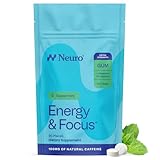
- Fast-Acting Nootropic - Our energy supplements deliver an extra boost of energy and clarity with a blend of natural caffeine, L-theanine, and vitamin b6 & b12. Your go-to chewing gum for work, exercise, and daily focus!
- Clean Energy - Each piece of our sugar free gum delivers 100mg of natural caffeine from green coffee beans for a smooth energy boost without crashes or jitters.
- The Perfect Balance - With 60mg of L-theanine per piece, our energy and focus formula promotes enhanced focus and stress reduction to smooth energy boosts.
- How to Use - Chew one piece of the caffeine gum whenever focus or energy is lacking. Ideal for mornings, pre-workout, or afternoon slumps. Effects typically kick in within minutes thanks to optimal absorption through the mouth.
- Made by Neuro, Backed by Science - At Neuro, we combine neuroscience with clean, science backed ingredients to help you do more, think better, and feel your best every single day.
Common Misconceptions
- Myth: Darker roasts always have more caffeine. Nope. Lighter roasts often have more caffeine by weight because less mass is roasted off.
- Myth: You need to drink coffee to be productive. Not true. Good sleep, a balanced diet, and exercise are far more foundational for energy.
- Myth: Coffee is bad for you. It’s a mixed bag. Moderate consumption is generally linked to health benefits for most people.
- Myth: Decaf coffee has zero caffeine. It has very little, but not zero. There’s still a trace amount.
- Myth: Caffeine is addictive. While you can develop a dependence, it’s not typically considered an addiction in the same way as harder drugs. Withdrawal symptoms are usually mild.
- Myth: Coffee makes you burn more fat. It can slightly boost your metabolism, but the effect on fat loss is usually minimal on its own.
- Myth: You can “sweat out” caffeine. No, your body metabolizes caffeine. Exercise can help with the jitters, but it doesn’t eliminate the caffeine itself.
- Myth: Coffee dehydrates you. While caffeine is a mild diuretic, the water in coffee usually offsets that effect for most regular drinkers.
- Myth: Coffee’s effects are immediate and last forever. Caffeine’s effects peak and then its half-life means it gradually leaves your system.
- Myth: If you don’t feel coffee, it’s broken. It’s more likely your body is used to it, or your genetics mean you’re less sensitive.
FAQ
Q: Why does coffee not make me feel awake anymore?
A: You’ve likely built up a tolerance to caffeine. Your body has adapted to your regular intake, so you need more to get the same effect.
Q: Can genetics really stop coffee from working?
A: Yes. Some people’s bodies process caffeine much faster or slower due to their genes, affecting how long and how strongly they feel its effects.
Q: Does the type of coffee bean matter for how awake I feel?
A: It can. Robusta beans generally have more caffeine than Arabica beans. So, a coffee made with more Robusta might give you a bigger kick.
Q: How much sleep debt can coffee overcome?
A: Coffee can help you feel more alert, but it can’t replace lost sleep. If you’re severely sleep-deprived, coffee might just bring you to a baseline level of functioning.
Q: Is it bad if I don’t feel the effects of coffee?
A: Not necessarily. It just means your body is handling caffeine differently, perhaps through tolerance or genetics. You might still be getting some benefits without the jitters.
Q: What if I get jitters from coffee? Does that mean it’s working?
A: Jitters are a sign of too much caffeine for your system, not necessarily that it’s “working” better. It’s a sign to cut back or switch to a lower-caffeine option.
Q: Can I build tolerance to decaf coffee?
A: Decaf has very little caffeine, so building a significant tolerance to it is highly unlikely. You might be sensitive to other compounds in the coffee, though.
What This Page Does Not Cover (and Where to Go Next)
- Specific caffeine content of different coffee brands or types. (Check product packaging or manufacturer websites.)
- Detailed scientific explanations of caffeine metabolism pathways. (Look for scientific journals or university health resources.)
- How to brew the “perfect” cup of coffee. (Explore brewing guides for specific methods like pour-over or espresso.)
- The health risks associated with excessive caffeine consumption. (Consult a medical professional or a reputable health organization.)
- Recipes for coffee drinks. (Search for coffee recipe blogs or culinary websites.)