
Can Coffee Actually Make You Feel More Tired?
Quick answer
- Yes, coffee can sometimes make you feel more tired.
- It’s often due to a caffeine crash after the initial boost.
- Tolerance can build, meaning you need more for the same effect.
- Dehydration from coffee can also contribute to fatigue.
- Poor sleep quality, exacerbated by late-day caffeine, is a big factor.
- Your individual body chemistry plays a huge role.
Key terms and definitions
- Caffeine: The primary stimulant in coffee. It blocks adenosine, a neurotransmitter that makes you feel sleepy.
- Adenosine: A chemical in your brain that builds up throughout the day, signaling tiredness.
- Caffeine Crash: The sudden drop in energy and mood that can happen when the effects of caffeine wear off.
- Caffeine Tolerance: When your body adapts to regular caffeine intake, requiring more to achieve the same stimulating effect.
- Withdrawal Symptoms: Unpleasant effects like headaches and fatigue experienced when stopping caffeine intake after regular use.
- Dehydration: Losing more fluid than you take in. Coffee can act as a mild diuretic.
- Sleep Hygiene: Habits and practices that promote good sleep quality.
- Circadian Rhythm: Your body’s natural sleep-wake cycle, influenced by light and darkness.
- Placebo Effect: Experiencing a perceived effect from something that has no inherent therapeutic value.
- Individual Sensitivity: How strongly a person reacts to a substance like caffeine, based on genetics and other factors.
Caffeine works by blocking adenosine, a neurotransmitter that signals tiredness. If you’re looking for ways to manage adenosine’s effects, consider exploring adenosine blockers.
No products found.
How it works
- Caffeine is a psychoactive stimulant. It works by blocking adenosine receptors in your brain.
- Adenosine is what makes you feel drowsy. By blocking it, caffeine makes you feel more alert.
- When caffeine wears off, all that built-up adenosine rushes back. This can cause a sudden wave of tiredness.
- Your body can become accustomed to caffeine. This means you build a tolerance.
- Tolerance means your brain might actually produce more adenosine receptors to compensate.
- So, you need more caffeine to get the same blocking effect. Without it, you feel more tired than before.
- Coffee can also be a diuretic. This means it can make you pee more.
- If you don’t drink enough water, you can get dehydrated. Dehydration leads to fatigue.
- The timing of your coffee matters too. Drinking it too late can mess with your sleep.
- Poor sleep means more adenosine builds up, and you feel tired the next day, even with coffee.
Caffeine is a stimulant that blocks adenosine receptors, making you feel more alert. For those seeking a more controlled dose or alternative to coffee, caffeine supplements can be an option.
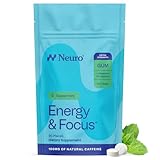
- Fast-Acting Nootropic - Our energy supplements deliver an extra boost of energy and clarity with a blend of natural caffeine, L-theanine, and vitamin b6 & b12. Your go-to chewing gum for work, exercise, and daily focus!
- Clean Energy - Each piece of our sugar free gum delivers 100mg of natural caffeine from green coffee beans for a smooth energy boost without crashes or jitters.
- The Perfect Balance - With 60mg of L-theanine per piece, our energy and focus formula promotes enhanced focus and stress reduction to smooth energy boosts.
- How to Use - Chew one piece of the caffeine gum whenever focus or energy is lacking. Ideal for mornings, pre-workout, or afternoon slumps. Effects typically kick in within minutes thanks to optimal absorption through the mouth.
- Made by Neuro, Backed by Science - At Neuro, we combine neuroscience with clean, science backed ingredients to help you do more, think better, and feel your best every single day.
What affects the result
- Amount of caffeine consumed: More caffeine means a bigger potential crash.
- Your personal caffeine metabolism: Some people process caffeine faster than others.
- How often you drink coffee: Regular drinkers develop tolerance.
- Time of day you drink coffee: Late-day coffee can disrupt sleep.
- Your hydration levels: Dehydration makes fatigue worse.
- Your sleep quality: If you’re already sleep-deprived, coffee’s effects can be less pronounced or lead to a harder crash.
- Your diet: What you eat can affect how your body absorbs and uses caffeine.
- Other medications or substances: Some things can interact with caffeine.
- Your overall stress levels: Stress can amplify fatigue.
- Genetics: Some people are just more sensitive to caffeine’s effects.
- The type of coffee bean and roast: Different beans and roasts have varying caffeine levels.
- How you brew your coffee: Brewing methods can slightly alter caffeine extraction.
Pros, cons, and when it matters
- Pro: Alertness boost: Coffee is great for a quick pick-me-up when you need to focus.
- Con: Caffeine crash: The inevitable dip in energy can leave you feeling worse than before. This matters when you have important tasks requiring sustained focus.
- Pro: Improved mood: For many, coffee brings a sense of well-being and happiness.
- Con: Sleep disruption: Drinking coffee too late can make it hard to fall asleep, leading to next-day tiredness. This is crucial if you value consistent sleep.
- Pro: Enhanced physical performance: Caffeine can improve endurance and strength.
- Con: Dependency and withdrawal: Regular use can lead to headaches and fatigue if you skip a dose. This matters if you travel or can’t access coffee easily.
- Pro: Antioxidants: Coffee contains beneficial compounds.
- Con: Jitters and anxiety: For some, coffee causes nervousness and unease. This is important if you’re prone to anxiety.
- Pro: Social ritual: Coffee breaks are a common way to connect with others.
- Con: Dehydration: If not balanced with water, it can contribute to fatigue. This is a simple fix with a glass of water.
- Pro: Enhanced cognitive function: Short-term memory and reaction time can improve.
- Con: Tolerance build-up: You might need more coffee over time for the same effect, potentially leading to higher intake.
Coffee can act as a mild diuretic, and if not balanced with sufficient water intake, it can contribute to dehydration and fatigue. Maintaining proper hydration is key, and hydration supplements can help ensure you’re getting enough fluids.

- FAST & EFFECTIVE HYDRATION: Combat dehydration with our science-based electrolyte powder formula that hydrates faster than water alone. Perfect for sports, outdoor activities, and hot days.
- 3X ELECTROLYTES & ½ THE SUGAR: Our precise formula activates a hydration shortcut, delivering essential electrolytes with less sugar than leading sports drinks. A great-tasting hydration powder that's easy to drink and mix.
- HEALTH-CONSCIOUS FORMULA: Non-GMO, Gluten-Free, Vegan, Soy-Free, Dairy-Free and Kosher. Our hydration packets include essential nutrients like potassium, magnesium, zinc, and vitamin C for added immune support. Natural colors derived from sources including fruit and vegetable juices, turmeric, spirulina extract, and beta carotene. No FD&C colors ever (no Red 40).
- CONVENIENT SINGLE-SERVE PACKETS: 16 portable electrolytes powder packets perfect to rehydrate on-the-go. Ideal for travel, sports activities, and daily use. Mix 1 packet into 8 oz of water for effective hydration.
- TRUSTED BRAND WITH A MISSION: Created by a doctor, DripDrop is a groundbreaking innovation that earned a Mayo Clinic Humanitarian Award. As a Public Benefit Company, every purchase supports our mission to defeat dehydration with global donations of our product.
Common misconceptions
- Myth: Coffee is always bad for you. Nope. In moderation, it has benefits.
- Myth: Coffee instantly dehydrates you. It’s a mild diuretic, but usually not enough to cause significant dehydration if you’re drinking fluids.
- Myth: Decaf coffee has zero caffeine. It still has a small amount. Not enough to cause a buzz, but it’s there.
- Myth: Coffee wakes you up by giving you energy. It actually blocks sleepiness signals. It doesn’t create energy.
- Myth: If you feel tired after coffee, you’re just not drinking enough. It might be the opposite – a sign of a crash or tolerance.
- Myth: You can “out-coffee” a bad night’s sleep. You can mask it for a bit, but you can’t replace actual rest.
- Myth: Coffee is addictive like hard drugs. While you can get dependent, it’s a different kind of addiction. Withdrawal is usually manageable.
- Myth: The darker the roast, the more caffeine. Lighter roasts often have slightly more caffeine by volume.
- Myth: Coffee jitters are just a sign of strong coffee. It’s often your body reacting to the stimulant, especially if you’re sensitive.
- Myth: Everyone reacts to coffee the same way. Genetics and lifestyle play a massive role in your individual response.
FAQ
- Can drinking coffee before bed make me tired the next day?
Absolutely. Even if you fall asleep, coffee can disrupt sleep quality. This means less restorative sleep, leading to fatigue the next day. Try to cut off caffeine at least six hours before bed.
- Is it normal to feel tired after the initial caffeine buzz wears off?
Yes, this is very common. It’s often called a caffeine crash. Your body was artificially kept awake, and now it’s catching up.
- If I drink coffee every day, will I eventually feel more tired without it?
Likely. Regular consumption leads to tolerance. When you stop, the adenosine your brain has gotten used to blocking can hit you hard, causing withdrawal fatigue.
- Can I be too sensitive to caffeine?
Definitely. Some people are genetically predisposed to metabolize caffeine slowly or have more sensitive adenosine receptors. This can make even small amounts cause jitters or later fatigue.
- Does dehydration from coffee contribute to feeling tired?
It can. Coffee is a mild diuretic. If you’re not drinking enough water throughout the day, the fluid loss can contribute to feelings of tiredness.
- What’s the best way to avoid the caffeine crash?
Hydrate well, avoid excessive amounts of caffeine, and try not to rely on it for every energy dip. Eating a balanced meal can also help stabilize blood sugar.
- Can coffee make me tired if I have a sleep disorder?
Yes. If you’re already struggling with sleep, caffeine can exacerbate the problem by interfering with your natural sleep cycles. It’s best to consult a doctor for sleep issues.
- Is there a point where drinking too much coffee makes me tired immediately?
For some, yes. Overconsumption can lead to jitters, anxiety, and an unsettled feeling that can be perceived as a type of fatigue or being “wired but tired.”
What this page does NOT cover (and where to go next)
- Specific caffeine content of every single coffee drink.
- Detailed medical advice on sleep disorders.
- Brand-specific comparisons of coffee makers.
- The exact science of caffeine’s molecular interactions.
- Recommendations for specific amounts of coffee for athletic performance.
- The history of coffee cultivation and trade.