
The Connection Between Coffee and Teeth Grinding
Quick answer
- Caffeine in coffee is a stimulant that can increase alertness and energy.
- For some individuals, this stimulant effect can manifest as increased muscle tension, including in the jaw.
- This increased jaw tension may contribute to or exacerbate teeth grinding (bruxism).
- The amount of coffee consumed, individual sensitivity to caffeine, and existing stress levels are significant factors.
- Not everyone who drinks coffee will experience teeth grinding.
- If you suspect coffee is contributing to your teeth grinding, consider reducing your intake or switching to decaffeinated options.
Key terms and definitions
- Bruxism: The medical term for teeth grinding or clenching, often occurring unconsciously during sleep or while awake.
- Caffeine: A natural stimulant found in coffee, tea, and other plants, known for its effects on the central nervous system.
- Stimulant: A substance that raises levels of physiological or nervous activity in the body.
- Adrenal Glands: Glands that produce hormones like adrenaline and cortisol, which are involved in the body’s stress response.
- Cortisol: A stress hormone that can increase muscle tension.
- Jaw Muscles: The muscles responsible for chewing and moving the jaw, which can become tense due to stimulants or stress.
- Sleep Bruxism: Teeth grinding or clenching that occurs during sleep.
- Awake Bruxism: Teeth grinding or clenching that occurs while awake, often unconsciously.
- Diurnal Bruxism: Another term for awake bruxism.
- Nocturnal Bruxism: Another term for sleep bruxism.
How it works
- Coffee contains caffeine, a known central nervous system stimulant.
- Caffeine works by blocking adenosine, a neurotransmitter that promotes relaxation and sleepiness.
- This blocking action leads to increased alertness and can stimulate the release of adrenaline.
- Adrenaline, also known as epinephrine, is a hormone that prepares the body for “fight or flight.”
- Increased adrenaline can lead to heightened muscle activity and tension throughout the body.
- This generalized muscle tension can include the muscles of the jaw.
- For individuals prone to bruxism, this increased jaw tension may trigger or worsen teeth grinding.
- The effect is dose-dependent; higher caffeine intake can lead to a more pronounced response.
- Individual sensitivity to caffeine varies greatly, meaning some people are more affected than others.
- The body’s overall stress levels also play a role, as stress itself can increase muscle tension and bruxism.
If you’re looking to manage your caffeine intake without giving up coffee entirely, consider exploring caffeine supplements. These can offer a more controlled way to get a boost, potentially reducing the unpredictable effects of coffee on jaw tension.
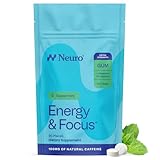
- Fast-Acting Nootropic - Our energy supplements deliver an extra boost of energy and clarity with a blend of natural caffeine, L-theanine, and vitamin b6 & b12. Your go-to chewing gum for work, exercise, and daily focus!
- Clean Energy - Each piece of our sugar free gum delivers 100mg of natural caffeine from green coffee beans for a smooth energy boost without crashes or jitters.
- The Perfect Balance - With 60mg of L-theanine per piece, our energy and focus formula promotes enhanced focus and stress reduction to smooth energy boosts.
- How to Use - Chew one piece of the caffeine gum whenever focus or energy is lacking. Ideal for mornings, pre-workout, or afternoon slumps. Effects typically kick in within minutes thanks to optimal absorption through the mouth.
- Made by Neuro, Backed by Science - At Neuro, we combine neuroscience with clean, science backed ingredients to help you do more, think better, and feel your best every single day.
What affects the result
- Caffeine Content: The amount of caffeine in your coffee directly influences its stimulant effect. Espresso, for example, is highly concentrated.
- Individual Sensitivity: People metabolize caffeine at different rates. Some are highly sensitive, experiencing jitters and increased tension from small amounts.
- Consumption Amount: Drinking multiple cups of coffee throughout the day increases your total caffeine intake and the potential for side effects.
- Timing of Consumption: Consuming coffee close to bedtime can interfere with sleep, potentially exacerbating sleep bruxism.
- Stress and Anxiety Levels: Pre-existing stress or anxiety can amplify the effects of caffeine, making you more susceptible to teeth grinding.
- Genetics: Your genetic makeup can influence how your body responds to caffeine and stress, affecting your propensity for bruxism.
- Other Stimulants: Consuming other caffeinated beverages or substances alongside coffee can compound the stimulant effect.
- Hydration: Dehydration can sometimes be linked to increased muscle cramping and tension, which might indirectly influence jaw muscles.
- Medications: Certain medications can increase sensitivity to stimulants or have side effects that include muscle tension.
- Diet: Overall diet and nutrient intake can influence the body’s stress response and muscle function.
- Physical Activity: While exercise can reduce stress, intense workouts close to bedtime might have a stimulating effect.
- Sleep Quality: Poor sleep quality can lead to increased stress and fatigue, potentially making you more prone to bruxism, regardless of coffee intake.
Pros, cons, and when it matters
- Pro: Increased alertness and focus from coffee can be beneficial for productivity and daily tasks.
- Con: Increased jaw tension and teeth grinding can lead to jaw pain, headaches, and tooth damage.
- When it matters: For individuals already experiencing stress, anxiety, or diagnosed with bruxism, coffee’s stimulant effect can be a significant trigger.
- Pro: Coffee can be a social ritual and a pleasant part of a morning routine for many.
- Con: If teeth grinding leads to enamel wear, sensitivity, or temporomandibular joint (TMJ) disorders, it becomes a serious health concern.
- When it matters: Athletes or individuals engaging in physically demanding jobs might rely on coffee for energy, but need to be mindful of potential physical side effects like muscle tension.
- Pro: Moderate coffee consumption has been linked to various health benefits, such as improved cognitive function.
- Con: For those who are highly sensitive, even a single cup can cause jitters, restlessness, and potentially teeth grinding.
- When it matters: People with sleep disorders or a history of insomnia should be particularly cautious about caffeine intake, especially in the afternoon and evening.
- Pro: Coffee can be a cost-effective way to boost mood and energy compared to other methods.
- Con: The cumulative effect of caffeine from multiple sources throughout the day can be underestimated, leading to unexpected side effects like bruxism.
- When it matters: If you notice new or worsening jaw pain, headaches, or have been told you grind your teeth, it’s worth examining all potential contributing factors, including your coffee habits.
- Pro: Coffee offers a rich array of flavors and brewing methods to explore for enjoyment.
- Con: The psychological dependence on coffee for energy can mask underlying issues like fatigue or poor sleep hygiene.
- When it matters: For individuals who experience significant sleep bruxism, reducing or eliminating caffeine might be a crucial step in managing the condition.
Common misconceptions
- Misconception: Only people with high stress grind their teeth.
- Reality: While stress is a major factor, bruxism can also be influenced by genetics, sleep disorders, and even certain medications, as well as stimulants like caffeine.
- Misconception: Coffee always makes people grind their teeth.
- Reality: Individual sensitivity to caffeine varies dramatically. Many people drink coffee without experiencing any teeth grinding.
- Misconception: Teeth grinding is solely a nighttime problem.
- Reality: Bruxism can occur both during sleep (sleep bruxism) and while awake (awake bruxism), often unconsciously.
- Misconception: Decaf coffee has no effect on teeth grinding.
- Reality: Decaffeinated coffee still contains trace amounts of caffeine, which may be enough to affect highly sensitive individuals, though it’s significantly less than regular coffee.
- Misconception: You can consciously stop yourself from grinding your teeth.
- Reality: Especially with sleep bruxism, it’s an unconscious behavior that is difficult to control without intervention. Awake bruxism can be managed with awareness and habit reversal techniques.
- Misconception: Teeth grinding is harmless and just an annoyance.
- Reality: Chronic teeth grinding can lead to significant dental problems, including worn enamel, cracked teeth, jaw pain, headaches, and TMJ disorders.
- Misconception: Only adults experience teeth grinding.
- Reality: Children can also grind their teeth, often due to stress, teething, or as a developmental phase, and it may or may not be related to caffeine.
- Misconception: Coffee is the only cause of teeth grinding.
- Reality: Coffee is a potential contributing factor, but bruxism is often multifactorial, involving stress, sleep issues, dental alignment, and other lifestyle habits.
FAQ
Q: Can drinking coffee cause me to grind my teeth?
A: Yes, the caffeine in coffee is a stimulant that can increase muscle tension, including in the jaw muscles. For some individuals, this can lead to or worsen teeth grinding.
Q: How much coffee is too much if I’m worried about teeth grinding?
A: This varies greatly depending on individual sensitivity. Some people may notice issues after just one cup, while others can drink several without effect. Pay attention to your body’s signals.
Q: If I grind my teeth, should I stop drinking coffee entirely?
A: Not necessarily. You might consider reducing your intake, switching to decaffeinated options, or timing your consumption earlier in the day to see if it makes a difference.
Q: Are there other drinks that can cause teeth grinding?
A: Any beverage containing caffeine or other stimulants, such as energy drinks, certain teas, and some sodas, could potentially have a similar effect.
Q: What are the signs that coffee is making me grind my teeth?
A: You might notice increased jaw soreness, tension headaches, or a conscious awareness of clenching your jaw more often after drinking coffee.
Q: Is there a difference between sleep grinding and awake grinding related to coffee?
A: Caffeine’s stimulant effect can contribute to both. It might increase overall muscle excitability, leading to grinding during sleep, or heighten awareness and tension that results in conscious clenching while awake.
Q: What if I’m already stressed and drink coffee?
A: If you’re experiencing stress, the stimulant effects of coffee might be amplified. It could be beneficial to manage stress levels and potentially reduce caffeine intake.
Q: How can I tell if coffee is the main cause of my teeth grinding?
A: Try eliminating or significantly reducing coffee for a week or two and observe if your teeth grinding symptoms improve. If they do, coffee is likely a contributing factor.
What this page does NOT cover (and where to go next)
- Specific medical diagnoses or treatment plans for bruxism. Consult a dentist or doctor for personalized advice.
- Detailed information on the chemical breakdown of caffeine in the body.
- Recommendations for specific brands of coffee or decaffeinated alternatives.
- In-depth discussions on sleep disorders that may cause bruxism.
- Advanced dental treatments like crowns, veneers, or Botox injections for severe bruxism.
- Legal or regulatory information regarding caffeine content in beverages.