
The Long-Term Effects Of Coffee On Energy
Quick answer
- Coffee’s long-term energy effects are complex, not a simple “tired later.”
- Caffeine is a stimulant that blocks adenosine, a sleep-inducing chemical.
- Regular consumption can lead to tolerance, meaning you need more for the same effect.
- Sleep quality is the biggest factor in long-term energy levels.
- Disrupting sleep with late-day coffee can create a cycle of fatigue.
- Hydration and overall health play a huge role in how you feel.
Key terms and definitions
- Adenosine: A neurotransmitter that builds up in your brain throughout the day, signaling fatigue and promoting sleep.
- Caffeine: A natural stimulant found in coffee beans that temporarily blocks adenosine receptors.
- Tolerance: When your body adapts to regular caffeine intake, requiring higher doses to achieve the same stimulating effect.
- Withdrawal: Symptoms like headaches, fatigue, and irritability experienced when caffeine intake is stopped or significantly reduced after regular use.
- Circadian Rhythm: Your body’s internal 24-hour clock that regulates sleep-wake cycles and other bodily functions.
- Sleep Hygiene: Habits and practices that promote consistent, quality sleep.
- Stimulant: A substance that increases activity in the central nervous system and the body, temporarily reducing fatigue and increasing alertness.
- Diuretic: A substance that promotes the production of urine, which can lead to increased fluid loss. Coffee has a mild diuretic effect.
- Cortisol: A stress hormone that plays a role in wakefulness and energy levels. Caffeine can temporarily increase cortisol.
How it works
- When you drink coffee, caffeine enters your bloodstream and travels to your brain.
- In the brain, caffeine molecules fit into the same receptors that adenosine uses.
- By blocking adenosine, caffeine prevents it from binding to its receptors.
- This blockage makes you feel more alert and less tired, overriding your body’s natural sleep signals.
- The effect is temporary; caffeine is eventually metabolized and cleared from your system.
- As adenosine levels continue to rise throughout the day, the effect of caffeine wears off.
- When caffeine is no longer blocking adenosine, you might experience a “crash” as all that built-up adenosine binds to its receptors.
- This cycle can become more pronounced with regular, heavy coffee consumption.
If you’re looking for a more controlled dose of caffeine without the coffee, consider caffeine supplements.
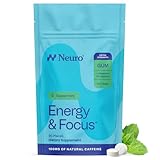
- Fast-Acting Nootropic - Our energy supplements deliver an extra boost of energy and clarity with a blend of natural caffeine, L-theanine, and vitamin b6 & b12. Your go-to chewing gum for work, exercise, and daily focus!
- Clean Energy - Each piece of our sugar free gum delivers 100mg of natural caffeine from green coffee beans for a smooth energy boost without crashes or jitters.
- The Perfect Balance - With 60mg of L-theanine per piece, our energy and focus formula promotes enhanced focus and stress reduction to smooth energy boosts.
- How to Use - Chew one piece of the caffeine gum whenever focus or energy is lacking. Ideal for mornings, pre-workout, or afternoon slumps. Effects typically kick in within minutes thanks to optimal absorption through the mouth.
- Made by Neuro, Backed by Science - At Neuro, we combine neuroscience with clean, science backed ingredients to help you do more, think better, and feel your best every single day.
What affects the result
- Amount of Coffee: More caffeine means a stronger, longer-lasting effect, but also a higher potential for disruption.
- Timing of Consumption: Drinking coffee too late in the day can interfere with your natural sleep cycle. I learned that the hard way on a camping trip once.
- Individual Sensitivity: People metabolize caffeine at different rates, affecting how long it lasts and how it makes them feel.
- Sleep Quality: If you’re already sleep-deprived, coffee might mask fatigue but won’t fix the underlying issue.
- Tolerance Buildup: Regular daily drinkers often need more coffee to feel the same energy boost.
- Hydration Levels: Dehydration can mimic fatigue. Coffee’s mild diuretic effect can exacerbate this if you’re not drinking enough water.
- Diet and Nutrition: A balanced diet supports overall energy. Poor nutrition can make you feel tired, regardless of coffee intake.
- Stress Levels: High stress can deplete energy. Caffeine can temporarily boost energy but doesn’t address the root cause of stress.
- Medications: Some medications can interact with caffeine, altering its effects or your energy levels.
- Genetics: Your genes can influence how your body processes caffeine and how sensitive you are to its effects.
- Brewer Type: While not directly about long-term effects, the type of coffee maker can influence the strength and consistency of your brew, impacting daily intake.
- Freshness of Beans: Fresher beans generally yield a better-tasting cup, which can contribute to a more positive experience and potentially a more controlled intake.
To combat coffee’s mild diuretic effect and maintain energy, always keep a good water bottle handy for consistent hydration.

- 30-ounce insulated stainless steel water bottle with extra features: includes a 2-in-1 spout that lets you choose how you drink; push-button, leak-proof lid that locks for all your adventures
- Choose your sip style—straw or swig: Patented 2-in-1 FreeSip spout is one of a kind; it lets you sip upright through the built-in straw or swig by tilting back the spout
- Hygienic push-button lid and easy carry handle: closed lid keeps spout covered and clean between sips; ergonomic bucket handle makes transport easy for sports, campsites, road trips, school, and work
- Keeps water cold and fits where you need: Triple-layer insulation keeps drinks colder up to 24 hours; wide opening for easy cleaning and extra ice; cupholder friendly base fits most car cupholders
- Safe materials and simple care instructions: BPA, lead, and phthalate-free for safe drinking; hand wash the cup,lid is dishwasher safe and can be easily disassembled; not for use with hot liquids
Pros, cons, and when it matters
- Pro: Enhanced Alertness: Coffee is great for a temporary boost when you need to focus.
- Con: Sleep Disruption: Late-day coffee can wreck your sleep, leading to more fatigue tomorrow.
- Pro: Improved Cognitive Function: For many, coffee sharpens focus and reaction time.
- Con: Tolerance: You might need more coffee over time just to feel “normal.”
- Pro: Social Ritual: Grabbing a coffee with friends is a nice way to connect.
- Con: Withdrawal Symptoms: Stopping cold turkey can lead to headaches and irritability.
- Pro: Antioxidants: Coffee contains beneficial antioxidants.
- Con: Jitters and Anxiety: Too much caffeine can make you feel wired and uneasy.
- Pro: Mood Enhancement: Coffee can provide a temporary mood lift for some.
- Con: Digestive Issues: For some, coffee can cause stomach upset.
- Pro: Performance Boost: Athletes sometimes use caffeine to improve endurance.
- Con: Dependence: Relying on coffee to function can be a long-term energy crutch.
This matters most when you’re trying to establish consistent energy levels or manage sleep. If your goal is sustained energy without crashes, understanding these trade-offs is key.
Common misconceptions
- Myth: Coffee causes long-term tiredness. It’s more about how you use it and how it affects your sleep.
- Myth: Decaf coffee has zero effect. It still contains small amounts of caffeine.
- Myth: You can “power through” sleep debt with coffee. Coffee masks fatigue; it doesn’t replace sleep.
- Myth: Coffee dehydrates you completely. The diuretic effect is mild and usually offset by the fluid in the coffee itself.
- Myth: Everyone reacts to coffee the same way. Genetics and personal tolerance play huge roles.
- Myth: Caffeine is only found in coffee. It’s in tea, soda, chocolate, and some medications too.
- Myth: Coffee is inherently bad for you. In moderation, it has potential health benefits.
- Myth: A coffee crash means your body is “addicted.” It’s usually a sign of adenosine rebound.
- Myth: Black coffee is the only “healthy” way to drink it. Additives can add calories, but don’t necessarily negate the caffeine effect.
FAQ
Does coffee make you tired in the long run if you drink it every day?
Not directly. Coffee’s stimulant effect blocks adenosine. If you drink it too late, it can disrupt sleep, leading to long-term fatigue. The real issue is often sleep quality, not the coffee itself.
Can I build up a tolerance to coffee’s energy boost?
Yes, absolutely. Regular daily consumption can lead to tolerance. This means you might need more coffee over time to achieve the same level of alertness.
What happens when I stop drinking coffee after a long time?
You might experience caffeine withdrawal. This can include headaches, fatigue, irritability, and difficulty concentrating. These symptoms are usually temporary.
Is there a “best” time of day to drink coffee for long-term energy?
For most people, it’s best to avoid coffee in the late afternoon and evening. Drinking it earlier in the day, like with breakfast or mid-morning, is usually better for sleep.
Does the amount of coffee I drink matter for long-term effects?
Yes, it matters a lot. Drinking excessive amounts, especially later in the day, increases the risk of sleep disruption and tolerance buildup. Moderation is key.
Can coffee permanently damage my energy levels?
No, coffee itself doesn’t permanently damage your energy levels. However, a pattern of poor sleep due to late-day coffee can lead to chronic fatigue.
What’s the difference between feeling tired from coffee and just being tired?
Feeling tired from coffee usually refers to a crash after the caffeine wears off. Feeling generally tired, especially long-term, is often linked to insufficient sleep, stress, or other health factors.
Should I worry about caffeine dependence?
If you find you need coffee to function and experience significant withdrawal without it, you might have a dependence. It’s worth considering reducing intake gradually.
What this page does NOT cover (and where to go next)
- Specific health benefits or risks of coffee consumption beyond energy levels. (Look into general nutrition guides.)
- Detailed explanations of sleep disorders. (Consult a sleep specialist.)
- Recipes for various coffee drinks. (Explore coffee brewing blogs and cookbooks.)
- The history of coffee cultivation or trade. (Research agricultural or economic history resources.)
- Advanced brewing techniques for specific coffee makers. (Check manufacturer manuals or specialized brewing guides.)