
Happy Coffee And Weight Loss: Separating Fact From Fiction
Quick answer
- “Happy coffee” is a marketing term, not a scientifically recognized type of coffee.
- There’s no specific coffee blend or preparation method that directly causes weight loss.
- Some studies suggest coffee itself might have a minor, temporary effect on metabolism.
- The perceived benefits of “happy coffee” often stem from added ingredients, not the coffee itself.
- Relying on “happy coffee” for weight loss is unlikely to yield significant or sustainable results.
- Focus on a balanced diet and regular exercise for effective and healthy weight management.
Key terms and definitions
- Metabolism: The chemical processes that occur within a living organism in order to maintain life. This includes converting food into energy.
- Caffeine: A stimulant found naturally in coffee beans, tea leaves, and cocoa beans. It’s known for its energizing effects.
- Antioxidants: Compounds that inhibit oxidation. In coffee, they are believed to offer health benefits.
- Placebo Effect: A beneficial effect produced by a placebo drug or treatment, which cannot be attributed to the properties of the placebo itself, and must therefore be due to the patient’s belief in that treatment.
- Calorie Deficit: Consuming fewer calories than your body burns. This is the fundamental principle of weight loss.
- Thermogenesis: The process by which the body burns calories to produce heat.
- Adrenal Glands: Glands that produce hormones like adrenaline, which can affect energy levels and stress response.
- Gut Microbiome: The collection of microorganisms living in your digestive tract. Emerging research suggests a link to overall health, including weight.
- Nutrient Density: The ratio of beneficial nutrients in a food or drink to the energy it provides.
- Sustainable Weight Loss: Losing weight in a way that can be maintained long-term through lifestyle changes.
How it works
- Coffee beans contain caffeine, a natural stimulant that can temporarily increase alertness and energy.
- Caffeine is absorbed into the bloodstream and travels to the brain, where it blocks a neurotransmitter called adenosine.
- Adenosine normally makes you feel tired; by blocking it, caffeine can make you feel more awake and energetic.
- Caffeine can also stimulate the nervous system, which may signal fat cells to break down fat.
- This process releases fatty acids into the bloodstream, which can then be used as fuel.
- Some research suggests that caffeine can temporarily boost your metabolic rate, meaning you burn more calories at rest.
- This effect, known as thermogenesis, is generally modest and may diminish over time with regular consumption.
- Coffee also contains antioxidants, which are beneficial for overall health but do not directly cause weight loss.
- The perceived “happiness” from “happy coffee” might be linked to caffeine’s mood-boosting effects or the psychological comfort of a warm beverage.
- Any weight loss claims associated with “happy coffee” are typically due to added ingredients or the placebo effect, rather than the coffee itself.
While coffee itself contains caffeine, for those looking for a more direct and controlled dose of this stimulant, caffeine supplements can be an option to explore. They offer a way to experience caffeine’s potential metabolic and alertness benefits without the added flavors or calories of coffee.
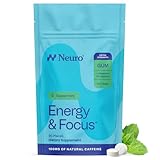
- Fast-Acting Nootropic - Our energy supplements deliver an extra boost of energy and clarity with a blend of natural caffeine, L-theanine, and vitamin b6 & b12. Your go-to chewing gum for work, exercise, and daily focus!
- Clean Energy - Each piece of our sugar free gum delivers 100mg of natural caffeine from green coffee beans for a smooth energy boost without crashes or jitters.
- The Perfect Balance - With 60mg of L-theanine per piece, our energy and focus formula promotes enhanced focus and stress reduction to smooth energy boosts.
- How to Use - Chew one piece of the caffeine gum whenever focus or energy is lacking. Ideal for mornings, pre-workout, or afternoon slumps. Effects typically kick in within minutes thanks to optimal absorption through the mouth.
- Made by Neuro, Backed by Science - At Neuro, we combine neuroscience with clean, science backed ingredients to help you do more, think better, and feel your best every single day.
What affects the result
- Added Sugars and Creamers: Many “happy coffee” blends include caloric additions that can easily negate any potential metabolic boost and contribute to weight gain.
- Ingredient Claims: Marketing often highlights specific ingredients (like MCT oil, collagen, or herbal extracts) that are claimed to aid weight loss, but scientific evidence for these effects in coffee is often limited or anecdotal.
- Individual Metabolism: People respond differently to caffeine. Some may experience a slight metabolic increase, while others see little to no effect.
- Dietary Habits: Consuming “happy coffee” while maintaining an unhealthy diet will not lead to weight loss. Overall caloric intake is paramount.
- Exercise Routine: Physical activity is a crucial component of weight loss. Coffee alone cannot replace the calorie expenditure of exercise.
- Sleep Quality: Poor sleep can disrupt hormones that regulate appetite and metabolism, making weight loss more challenging, regardless of coffee intake.
- Hydration Levels: Adequate water intake is essential for metabolism and overall bodily functions. Dehydration can hinder weight loss efforts.
- Stress Management: Chronic stress can lead to hormonal imbalances that promote fat storage, particularly around the abdomen.
- Digestive Health: A healthy gut microbiome can influence nutrient absorption and metabolism. Some “happy coffee” ingredients aim to support this, but results vary.
- Caffeine Tolerance: Regular coffee drinkers may develop a tolerance to caffeine’s effects, including any minor metabolic boost.
- Expectations and Placebo: Believing a product will help you lose weight can sometimes lead to behavioral changes (like eating healthier) that contribute to weight loss, independent of the product itself.
- Preparation Method: While less impactful than other factors, how coffee is prepared (e.g., black vs. with additives) directly affects its calorie content.
Pros, cons, and when it matters
- Pro: Potential for a Temporary Metabolic Boost: Some studies suggest caffeine can slightly increase calorie expenditure for a short period. This is most relevant when combined with a healthy lifestyle.
- Con: Misleading Marketing: “Happy coffee” often overpromises results, leading consumers to believe it’s a magic bullet for weight loss, which is rarely the case. This matters when managing expectations.
- Pro: Can Enhance Workout Performance: Caffeine can improve focus and endurance, potentially leading to more effective workouts, which indirectly supports weight loss. This matters for active individuals.
- Con: Added Calories: Many “happy coffee” products contain added sugars, artificial sweeteners, or fats that contribute to calorie intake, hindering weight loss. This matters if you consume it without considering its full nutritional profile.
- Pro: Mood Enhancement: The ritual of drinking coffee and the effects of caffeine can provide a temporary mood lift, contributing to a sense of well-being. This matters for overall mental health.
- Con: Digestive Upset: For some individuals, coffee, especially with added ingredients, can cause stomach irritation or other digestive issues. This matters for personal tolerance.
- Pro: Antioxidant Benefits: Coffee is a source of antioxidants, which are beneficial for general health. This matters for those seeking overall wellness.
- Con: Sleep Disruption: Consuming coffee, particularly later in the day, can interfere with sleep quality, which is crucial for weight management. This matters if you are sensitive to caffeine or a poor sleeper.
- Pro: Social Ritual: For many, coffee is a social or personal ritual that provides comfort and routine. This matters for psychological well-being.
- Con: Cost: “Happy coffee” blends can be significantly more expensive than regular coffee, with questionable added value for weight loss. This matters for budget-conscious consumers.
- Pro: Potential for Increased Alertness: Caffeine’s primary benefit is increased alertness and reduced fatigue. This matters for productivity and daily function.
- Con: Dependence and Withdrawal: Regular high caffeine intake can lead to dependence, with withdrawal symptoms like headaches and fatigue if consumption stops. This matters for long-term use.
Common misconceptions
- Myth: “Happy coffee” is a scientifically defined category. In reality, it’s a marketing term for coffee products with added ingredients or specific branding.
- Myth: Drinking “happy coffee” will burn fat automatically. While caffeine might have a minor metabolic effect, it’s not enough to cause significant fat loss without diet and exercise.
- Myth: All “happy coffee” contains magical weight-loss ingredients. Many blends use common ingredients like MCT oil or collagen, whose direct impact on weight loss when added to coffee is often exaggerated.
- Myth: You can eat whatever you want if you drink “happy coffee.” This is false. Weight loss fundamentally requires a calorie deficit, and coffee cannot override poor dietary choices.
- Myth: The “happiness” from “happy coffee” is due to a direct mood-altering substance. The perceived mood boost is more likely from caffeine’s stimulant effect or the placebo effect.
- Myth: Darker roasts have more caffeine and thus burn more fat. Caffeine content varies more by bean type and brewing method than roast level, and the metabolic effect is still minimal.
- Myth: “Happy coffee” is a healthy alternative to diet soda. While coffee itself is low in calories, many “happy coffee” versions are loaded with added sugars or fats, making them less healthy than plain water or black coffee.
- Myth: The more “happy coffee” you drink, the more weight you’ll lose. Excessive caffeine intake can lead to negative side effects like anxiety, insomnia, and heart palpitations, and doesn’t proportionally increase weight loss.
- Myth: If it’s marketed for weight loss, it must be effective. Many products make unsubstantiated claims. Always look for scientific backing, not just marketing.
- Myth: “Happy coffee” can replace the need for a balanced diet. Nutrition and a calorie deficit are the cornerstones of weight loss; coffee is a beverage, not a dietary replacement.
FAQ
Q: What exactly is “happy coffee”?
A: “Happy coffee” is a marketing term used for coffee products that often claim to offer benefits beyond just energy, such as mood enhancement or weight loss support. These claims are usually based on added ingredients or branding, not a special type of coffee bean.
Q: Can drinking coffee help me lose weight?
A: Coffee, specifically the caffeine it contains, may offer a small, temporary boost to your metabolism and can help mobilize fat. However, this effect is generally not significant enough on its own to cause substantial weight loss. It’s best viewed as a potential minor aid to a comprehensive weight loss plan.
Q: What are the common ingredients in “happy coffee” that claim to help with weight loss?
A: Common additions include MCT oil, collagen peptides, various herbal extracts (like turmeric or adaptogens), and sometimes added vitamins or minerals. While some of these ingredients have general health benefits, their direct and significant impact on weight loss when added to coffee is often not well-supported by robust scientific evidence.
Q: Is “happy coffee” healthier than regular black coffee?
A: Regular black coffee is very low in calories and offers antioxidants. Whether “happy coffee” is healthier depends entirely on its added ingredients. If it contains significant amounts of sugar, cream, or artificial sweeteners, it can be less healthy and contribute to calorie intake, potentially hindering weight loss.
Q: How much coffee should I drink for potential benefits without negative side effects?
A: For most healthy adults, up to 400 milligrams of caffeine per day (about 4 cups of brewed coffee) is generally considered safe. However, individual sensitivity varies greatly. Pay attention to how your body reacts; excessive intake can lead to anxiety, insomnia, and digestive issues.
Q: Can “happy coffee” help with my mood?
A: Caffeine is a stimulant that can improve alertness and temporarily boost mood for some individuals. The ritual of preparing and enjoying a warm beverage can also be comforting. However, it’s not a substitute for addressing underlying mood issues, and for some, it can increase anxiety.
Q: Should I replace my meals with “happy coffee” for weight loss?
A: Absolutely not. Replacing meals with “happy coffee” is not a sustainable or healthy approach to weight loss. A balanced diet with adequate nutrients is essential for your body’s functioning and overall health.
Q: What is the role of hydration when drinking coffee?
A: While coffee has a mild diuretic effect, it doesn’t typically lead to dehydration if consumed in moderation as part of a regular fluid intake. Staying well-hydrated with water is crucial for metabolism and overall bodily functions, supporting any weight management efforts.
Q: Are there any risks associated with consuming “happy coffee” regularly?
A: The risks are largely associated with the added ingredients and the amount of caffeine consumed. High sugar content can lead to weight gain and other health issues. Excessive caffeine can cause insomnia, anxiety, jitters, and digestive problems. Always check the ingredient list and consume in moderation.
Q: What is the most effective way to lose weight?
A: The most effective and sustainable way to lose weight involves creating a consistent calorie deficit through a balanced, nutrient-rich diet and regular physical activity. Lifestyle changes, adequate sleep, and stress management are also crucial components.
What this page does NOT cover (and where to go next)
- Specific brand recommendations or product reviews for “happy coffee” or any other coffee product.
- Detailed scientific studies or meta-analyses on the efficacy of specific weight-loss ingredients in coffee.
- Personalized dietary plans or exercise routines for weight loss.
- Medical advice regarding weight management or the effects of caffeine on specific health conditions.