
Why Coffee Might Make You Sweat
Quick Answer
- Caffeine is a stimulant. It can increase your heart rate and metabolism.
- This metabolic boost can lead to a slight increase in body temperature.
- Your body might sweat to cool down from that temperature rise.
- Some people are just more sensitive to caffeine’s effects.
- Other ingredients in coffee, like acids, could play a minor role for some.
- It’s usually a mild, temporary effect, not a cause for alarm.
If you’re looking for the stimulating effects of caffeine without the coffee, consider exploring caffeine supplements like this one.

- 200mg of Caffeine Per Capsule
- Get Caffeine Without the Added Sugar or Calories Found In Energy Drinks
- 1 Serving: 1 Capsule
- Non-GMO, Gluten Free
- Made in a NSF Certified, GMP Compliant, FDA Registered Facility
If you’re looking for the stimulating effects of caffeine without the coffee, consider exploring caffeine supplements.
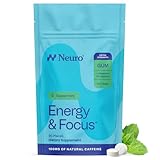
- Fast-Acting Nootropic - Our energy supplements deliver an extra boost of energy and clarity with a blend of natural caffeine, L-theanine, and vitamin b6 & b12. Your go-to chewing gum for work, exercise, and daily focus!
- Clean Energy - Each piece of our sugar free gum delivers 100mg of natural caffeine from green coffee beans for a smooth energy boost without crashes or jitters.
- The Perfect Balance - With 60mg of L-theanine per piece, our energy and focus formula promotes enhanced focus and stress reduction to smooth energy boosts.
- How to Use - Chew one piece of the caffeine gum whenever focus or energy is lacking. Ideal for mornings, pre-workout, or afternoon slumps. Effects typically kick in within minutes thanks to optimal absorption through the mouth.
- Made by Neuro, Backed by Science - At Neuro, we combine neuroscience with clean, science backed ingredients to help you do more, think better, and feel your best every single day.
Key Terms and Definitions
- Stimulant: A substance that increases the activity of the central nervous system. Caffeine is a common one.
- Metabolism: The chemical processes that occur within a living organism in order to maintain life. Think of it as your body’s engine running.
- Vasodilation: The widening of blood vessels. This can increase blood flow to the skin.
- Thermoregulation: The body’s process of maintaining a stable internal temperature. Sweating is a key part of this.
- Adrenaline: A hormone and neurotransmitter that increases heart rate and blood pressure. Caffeine can trigger its release.
- Dehydration: When your body loses more fluid than it takes in. This can sometimes make you feel hotter.
- Acidity (Coffee): Compounds in coffee that contribute to its tart or sour taste. These can affect digestion for some.
- Sensitivity: How strongly an individual reacts to a substance. Some folks are just wired differently.
How Coffee Brewing Works
- Hot water is the magic ingredient. It extracts flavor and compounds from coffee grounds.
- Think of it like steeping tea, but with coffee beans.
- The water temperature is crucial. Too hot, and you get bitter. Too cool, and it’s weak.
- Grind size matters too. Finer grinds mean more surface area for extraction.
- Brew time is another factor. Longer contact can mean stronger flavor.
- Pressure can also be used, like in espresso machines. It forces water through finely ground coffee fast.
- Filtration is key. It separates the liquid coffee from the spent grounds.
- Gravity often does the heavy lifting, pulling water through the grounds.
- Pour-over methods give you more control over the process.
- Automatic drip machines automate the water flow and heating.
What Affects Your Coffee Experience
- Water Temperature: Too hot burns the grounds, too cold under-extracts. Aim for around 195-205°F (90-96°C).
- Coffee Bean Freshness: Stale beans lose flavor and aroma. Use beans roasted within the last few weeks for best results.
- Grind Size: This dictates how quickly water flows through the grounds. Coarse for French press, fine for espresso.
- Coffee-to-Water Ratio: This is your strength setting. More coffee means a bolder brew. A common starting point is 1:15 to 1:18 (grams of coffee to grams of water).
- Brew Method: Each method offers a different extraction. Drip, pour-over, French press, AeroPress, espresso – they all yield unique results.
- Water Quality: Tap water can have minerals that affect taste. Filtered water is usually best.
- Bloom Time: For pour-over, letting the grounds “bloom” (release CO2) for 30 seconds helps even extraction.
- Pouring Technique: For manual methods, a slow, steady pour is key. Avoid just dumping water in.
- Roast Level: Darker roasts are often bolder but can have less acidity. Lighter roasts are brighter.
- Grinder Type: A burr grinder gives a consistent grind size. Blade grinders chop unevenly.
- Cleanliness of Equipment: Old coffee oils can make your brew taste bitter or rancid. Keep your gear clean.
- Your Own Palate: Ultimately, what tastes good is subjective. Experiment to find your sweet spot.
For the freshest and most consistent grind, investing in a quality coffee grinder can significantly elevate your brewing experience.

- [ PRECISION ELECTRONIC TIMER & TOUCHSCREEN PANEL ] - Precision Electronic Timer allows users to adjust grind time in 1 second increments up to 40s. A clear and concise LCD Touch screen is easy and intuitive for you to adjust the grind time.
- [ CHOOSE FROM 48 GRIND SETTINGS ] - This coffee bean grinder is designed with a conical burr grinder that operates at a low speed to minimize heat and help release the oils for optimal flavor. With 48 adjustable settings, create your perfect cup – from Espresso finesse to French press coarseness!
- [ UPGRADE ANTI-STATIC CONICAL BURR COFFEE GRINDER ] - The anti-static technology prevents the grounds from sticking to the coffee chamber and creating a mess. It allows a smooth flow of coffee grounds for an improved experience.
- [ LARGE BEAN HOPPER ] - Our espresso grinder comes with a 9.7 oz coffee bean hopper, designed with a locking system that ensures safe operation.
Pros, Cons, and When It Matters
- Pro: Alertness: Caffeine is a proven wake-up call. Great for early mornings or late nights.
- Con: Jitters/Anxiety: Too much caffeine can make some people feel restless or anxious.
- Pro: Flavor Exploration: The world of coffee brewing is vast and rewarding. So many beans, so many methods.
- Con: Cost: Good beans and equipment can add up. But it’s cheaper than a daily cafe habit.
- Pro: Ritual: The morning coffee routine is a comforting start to the day for many.
- Con: Digestive Issues: Acidity can bother some stomachs. Cold brew can be gentler.
- Pro: Antioxidants: Coffee contains beneficial compounds. A little can be good for you.
- Con: Sleep Disruption: Drinking coffee too late can mess with your sleep cycle.
- Pro: Social Connection: Coffee shops and home brewing can be social activities.
- Con: Sweat Response: For some, the metabolic boost from coffee can lead to sweating. This might matter if you’re sensitive or have an important event.
- Pro: Versatility: You can drink it black, with milk, sugar, or get creative with recipes.
- Con: Dependence: Regular heavy use can lead to caffeine withdrawal headaches.
Common Misconceptions
- Myth: Darker roast means more caffeine. Actually, lighter roasts often have slightly more caffeine by weight.
- Myth: Espresso has way more caffeine than drip coffee. An espresso shot has more caffeine per ounce, but a standard cup of drip coffee usually contains more total caffeine because you drink more of it.
- Myth: Coffee is inherently unhealthy. In moderation, coffee can be part of a healthy diet and offers benefits.
- Myth: You need a fancy machine for good coffee. A simple pour-over setup or French press can make fantastic coffee.
- Myth: Coffee is always dehydrating. While caffeine is a mild diuretic, the water in coffee usually offsets that effect for most people.
- Myth: You have to drink coffee immediately after brewing. While best fresh, coffee won’t instantly turn into poison if it sits for a bit.
- Myth: Cold brew is less acidic because it’s cold. Cold brew is less acidic due to the brewing time and method, not just the temperature.
- Myth: Coffee stains your teeth permanently. Coffee can stain, but it’s usually not permanent and can be managed with good oral hygiene.
FAQ
Q: Does coffee make you sweat?
A: For some people, yes. The caffeine in coffee is a stimulant that can boost your metabolism and heart rate, leading to a slight increase in body temperature. Your body then sweats to cool down.
Q: Why do I feel hot after drinking coffee?
A: The stimulant effect of caffeine can increase your metabolic rate, which generates heat. This internal heat can make you feel warmer, and your body may respond by sweating to regulate its temperature.
Q: Is sweating after coffee a bad sign?
A: Generally, no. It’s a normal physiological response for some individuals sensitive to caffeine’s stimulant effects. If you experience other concerning symptoms, like chest pain or rapid heartbeat, consult a doctor.
Q: Can I reduce the sweating effect of coffee?
A: You might try reducing your caffeine intake, opting for decaf, or trying a gentler brewing method like cold brew. Staying hydrated can also help your body manage temperature.
Q: How much caffeine is in a typical cup of coffee?
A: A standard 8-ounce cup of brewed coffee can contain anywhere from 80 to 200 milligrams of caffeine, depending on the beans and brewing method.
Q: Does the type of coffee bean affect sweating?
A: While caffeine content can vary slightly between bean types and roasts, the primary driver of the sweating response is your individual sensitivity to caffeine itself.
Q: What if I’m sensitive to coffee but still want the taste?
A: Decaffeinated coffee is a great option. It still has much of the flavor and aroma without the high caffeine content. Cold brew can also be a smoother, less acidic choice.
What This Page Does NOT Cover (and Where to Go Next)
- Detailed breakdowns of specific coffee maker models and their features.
- In-depth analysis of the chemical compounds in coffee beyond caffeine and acidity.
- Medical advice on caffeine sensitivity or related health conditions.
- Specific recipes for coffee-based drinks or cocktails.
- The history of coffee cultivation and global trade.