
Does Coffee Increase Sweating? Understanding the Physiological Response
Quick Answer: Can Coffee Make You Sweat More?
- Yep, coffee can definitely crank up your sweat game.
- It’s mostly the caffeine doing the heavy lifting.
- Caffeine is a stimulant, and stimulants often boost your metabolism and body temp.
- This increased internal heat signals your body to cool down, hence more sweat.
- Your individual reaction can vary. Some folks sweat buckets, others barely notice.
- It’s a normal physiological response, nothing to sweat about (pun intended).
Key Terms and Definitions
- Caffeine: The main active compound in coffee, known for its stimulant effects.
- Stimulant: A substance that increases activity in the central nervous system and the body.
- Thermoregulation: The body’s process of maintaining a stable internal temperature.
- Metabolism: The chemical processes in the body that keep you alive, including converting food to energy.
- Vasodilation: The widening of blood vessels, which can increase blood flow and heat to the skin’s surface.
- Diaphoresis: The medical term for excessive sweating.
- Adrenaline (Epinephrine): A hormone released in response to stress or excitement, which can also increase heart rate and metabolism.
- Sympathetic Nervous System: Part of your nervous system that controls “fight or flight” responses, often activated by stimulants.
- Hydration: The process of providing or absorbing adequate water. Sweating requires good hydration.
- Individual Sensitivity: How differently people react to the same substance or stimulus.
How Coffee Increases Sweating
- Caffeine Kickstart: When you drink coffee, caffeine enters your bloodstream and gets to work.
- Stimulating the System: Caffeine is a known stimulant. It ramps up your central nervous system.
- Metabolic Boost: This stimulation can temporarily increase your metabolic rate. Think of it like revving an engine.
- Heat Generation: A faster metabolism means your body produces more internal heat.
- Thermostat Trigger: Your body’s internal thermostat detects this rise in temperature.
- Cooling Down: The primary way your body cools itself is by sweating.
- Sweat Glands Activated: Your brain signals your sweat glands to get busy.
- Vasodilation Effect: Caffeine can also cause blood vessels near the skin to widen (vasodilation). This brings more blood to the surface, helping to release heat.
- Adrenaline Surge: For some, caffeine can trigger a mild release of adrenaline, further contributing to increased heart rate and a feeling of being “amped up,” which can indirectly lead to sweating.
- It’s a Cascade: It’s a chain reaction: caffeine -> stimulation -> metabolism -> heat -> sweat.
What Affects Your Coffee-Induced Sweat
- Caffeine Content: Darker roasts can have slightly more caffeine, but it’s not always a guarantee. The bean type and brewing method matter more.
- Amount Consumed: More coffee, more caffeine, potentially more sweat. Simple math.
- Your Personal Sensitivity: Some people are just wired to react more strongly to caffeine. Genetics play a big role here.
- Body Weight and Metabolism: Larger individuals or those with naturally faster metabolisms might process caffeine differently.
- Ambient Temperature: If it’s already warm out, any extra heat from coffee will be felt more.
- Activity Level: Exercising after coffee? You’re practically a walking sauna.
- Hydration Levels: If you’re already dehydrated, you might not sweat as much, even if your body’s trying to cool down.
- Other Stimulants: Combining coffee with other caffeinated drinks or energy supplements can amplify the effect.
- Food Intake: Having coffee on an empty stomach might lead to a quicker, more pronounced effect compared to drinking it with a meal.
- Medications: Certain medications can interact with caffeine and affect your body’s response, including sweating.
- Roast Level: Lighter roasts often retain more caffeine than darker roasts, but this can vary widely.
- Brewing Method: Espresso, for instance, packs a lot of caffeine into a small volume, potentially leading to a quick jolt.
If you’re looking to understand the pure effect of caffeine without the coffee experience, you might consider trying caffeine supplements.
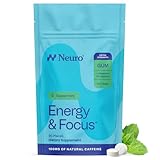
- Fast-Acting Nootropic - Our energy supplements deliver an extra boost of energy and clarity with a blend of natural caffeine, L-theanine, and vitamin b6 & b12. Your go-to chewing gum for work, exercise, and daily focus!
- Clean Energy - Each piece of our sugar free gum delivers 100mg of natural caffeine from green coffee beans for a smooth energy boost without crashes or jitters.
- The Perfect Balance - With 60mg of L-theanine per piece, our energy and focus formula promotes enhanced focus and stress reduction to smooth energy boosts.
- How to Use - Chew one piece of the caffeine gum whenever focus or energy is lacking. Ideal for mornings, pre-workout, or afternoon slumps. Effects typically kick in within minutes thanks to optimal absorption through the mouth.
- Made by Neuro, Backed by Science - At Neuro, we combine neuroscience with clean, science backed ingredients to help you do more, think better, and feel your best every single day.
Pros, Cons, and When It Matters
- Pro: Natural Cooling: Sweating is your body’s built-in air conditioner. Coffee can just turn up the fan speed.
- Con: Dehydration Risk: If you’re sweating a lot, especially without drinking enough water, you can get dehydrated.
- Pro: Metabolism Boost: A slight metabolic increase isn’t a bad thing for some.
- Con: Social Awkwardness: Nobody wants to be the one dripping sweat during a quiet meeting.
- Pro: Performance Aid: For athletes, a bit of sweat can be a sign the body is working efficiently.
- Con: Discomfort: Excessive sweating can just be plain uncomfortable and lead to damp clothes.
- Pro: Signal of Alertness: For some, the physical sensations from coffee, including warmth and a bit of sweat, reinforce the feeling of being awake and alert.
- Con: Misinterpreting the Signal: Thinking you need to sweat more after coffee is a misconception. It’s a side effect, not a goal.
- When it Matters: If you’re sensitive to caffeine, have a condition that makes excessive sweating problematic, or are exercising intensely in hot weather, be mindful.
- When it Doesn’t: For most people, a little extra sweat after a morning cup is just part of the daily grind.
- Context is Key: Your environment, activity, and personal physiology all dictate whether coffee-induced sweating is noticeable or significant.
- It’s a Feature, Not a Bug: Understand that this is a normal bodily function responding to a common substance.
Common Misconceptions About Coffee and Sweating
- Myth: Only hot coffee makes you sweat.
- Reality: It’s the caffeine, not the temperature, that’s the primary driver. Cold brew can make you sweat too.
- Myth: Sweating more means you’re burning more fat.
- Reality: Sweating is about temperature regulation, not direct fat burning. While caffeine can slightly boost metabolism, sweat itself doesn’t equate to fat loss.
- Myth: Coffee dehydrates you, causing you to sweat less.
- Reality: While caffeine has a mild diuretic effect, moderate coffee consumption typically doesn’t lead to dehydration for regular drinkers. The sweating response is more about internal heat.
- Myth: If coffee doesn’t make you sweat, it’s not working.
- Reality: Everyone reacts differently. You might get other stimulant effects without noticing significant sweating.
- Myth: Dark roasts have more caffeine, so they make you sweat more.
- Reality: Caffeine content varies, but often lighter roasts have more. The brewing method and bean type are bigger factors than roast color alone.
- Myth: Sweating from coffee is a sign of a “bad” reaction.
- Reality: For most, it’s a normal physiological response to a stimulant.
- Myth: You can “sweat out” toxins with coffee.
- Reality: Your liver and kidneys are your primary detox organs. Sweating plays a minor role in waste removal, and coffee doesn’t significantly enhance this “detox” process.
- Myth: Only people who drink a lot of coffee sweat from it.
- Reality: Even occasional drinkers can experience increased sweating if they are sensitive to caffeine.
FAQ
Q: Can iced coffee make me sweat more than hot coffee?
A: It’s possible. While the heat of hot coffee can contribute to feeling warmer, the caffeine in iced coffee is the main stimulant that can increase your body temperature and trigger sweating.
Q: How quickly does coffee start to make you sweat?
A: Effects can vary, but you might start to feel a change within 15-30 minutes after consumption as the caffeine is absorbed.
Q: Is there anything I can do to stop coffee from making me sweat?
A: You can try drinking less coffee, opting for decaf, or ensuring you’re well-hydrated. Some people also find eating something with their coffee helps moderate the effects.
Q: Does the type of coffee bean affect sweating?
A: Yes, different beans have varying caffeine levels, which can influence how much you sweat. Robusta beans generally have more caffeine than Arabica beans.
Q: Should I worry if coffee makes me sweat a lot?
A: Generally, no. It’s a common response. However, if it’s excessive, causes you distress, or is accompanied by other symptoms like rapid heart rate or anxiety, it’s worth discussing with a doctor.
Q: Does adding milk or sugar change how much I sweat from coffee?
A: Not directly. Milk and sugar don’t contain caffeine or significant stimulants. They might slightly alter how quickly your body absorbs the caffeine, but the primary driver remains the caffeine itself.
Q: Can coffee make me sweat more when I’m not even hot?
A: Absolutely. The stimulant effect of caffeine can raise your internal body temperature, prompting your body to sweat as a cooling mechanism, regardless of the external temperature.
What This Page Does NOT Cover (and Where to Go Next)
- Specific Medical Conditions: This page doesn’t diagnose or treat medical issues related to excessive sweating (hyperhidrosis). If you’re concerned, consult a healthcare professional.
- Detailed Caffeine Metabolism Science: We touched on it, but a deep dive into the enzymes and pathways involved in caffeine breakdown is beyond this scope.
- Comparisons of Specific Coffee Brands: We’re talking general principles, not a taste test or caffeine content breakdown of every brand out there.
- DIY Brewing Techniques for Lower Caffeine: If you’re looking for ways to intentionally brew coffee with less caffeine, that’s a whole other rabbit hole.
- The Science of Other Stimulants: We focused on coffee, but other sources of caffeine or stimulants have their own unique effects.