
The Effect Of Coffee On Your Body Temperature
Quick answer
- Coffee can slightly and temporarily increase your body temperature.
- Caffeine is the main driver of this effect.
- The increase is usually mild, maybe a degree or two Fahrenheit.
- It’s more noticeable right after drinking hot coffee.
- Individual responses vary based on caffeine sensitivity.
- Don’t expect it to keep you warm in freezing temps, but it helps a bit.
Key terms and definitions
- Thermoregulation: The body’s process of maintaining a stable internal temperature.
- Vasoconstriction: Narrowing of blood vessels, which can reduce heat loss.
- Metabolism: The chemical processes that occur within a living organism to maintain life.
- Caffeine: A natural stimulant found in coffee beans, tea leaves, and other plants.
- Adenosine Receptors: Proteins in the brain that caffeine blocks, leading to increased alertness.
- Shivering: Involuntary muscle contractions that generate heat.
- Sweating: The release of fluid by sweat glands to cool the body.
- Basal Metabolic Rate (BMR): The number of calories your body burns at rest.
- Homeostasis: The tendency of a system to maintain internal stability.
- Peripheral Blood Flow: Circulation of blood to the extremities like hands and feet.
How it works
- When you drink hot coffee, the liquid itself raises your internal temperature. Think of it like any hot drink.
- Caffeine then kicks in. It’s a stimulant.
- Caffeine can increase your metabolic rate slightly. This process generates a bit of heat.
- It can also cause vasoconstriction, especially in your extremities. This means blood vessels tighten up.
- Reduced blood flow to the skin’s surface can help conserve body heat. Less heat escapes to the environment.
- Some studies suggest caffeine might influence the hypothalamus, the part of your brain that regulates temperature.
- This combination of direct heat from the drink and caffeine’s internal effects leads to a temporary rise.
- It’s not a dramatic change, but it’s measurable.
- Your body’s natural thermoregulation will eventually bring things back to normal.
If you’re looking for the metabolic boost without the coffee, caffeine supplements can offer a similar effect. They can help increase your metabolic rate slightly, generating a bit of heat.
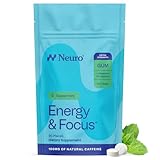
- Fast-Acting Nootropic - Our energy supplements deliver an extra boost of energy and clarity with a blend of natural caffeine, L-theanine, and vitamin b6 & b12. Your go-to chewing gum for work, exercise, and daily focus!
- Clean Energy - Each piece of our sugar free gum delivers 100mg of natural caffeine from green coffee beans for a smooth energy boost without crashes or jitters.
- The Perfect Balance - With 60mg of L-theanine per piece, our energy and focus formula promotes enhanced focus and stress reduction to smooth energy boosts.
- How to Use - Chew one piece of the caffeine gum whenever focus or energy is lacking. Ideal for mornings, pre-workout, or afternoon slumps. Effects typically kick in within minutes thanks to optimal absorption through the mouth.
- Made by Neuro, Backed by Science - At Neuro, we combine neuroscience with clean, science backed ingredients to help you do more, think better, and feel your best every single day.
What affects the result
- The Temperature of the Coffee: A piping hot cup will give a more immediate and noticeable boost than a lukewarm one. Obviously.
- Caffeine Content: More caffeine generally means a stronger effect. Espresso versus drip coffee, for example.
- Your Personal Caffeine Sensitivity: Some folks are wired differently. What makes one person warm might do little for another.
- Your Baseline Body Temperature: If you’re already running hot, the effect might be less pronounced.
- Hydration Levels: Being well-hydrated helps your body regulate temperature more effectively.
- Ambient Temperature: In a cold environment, the effect might be more welcome. In a hot one, your body might work harder to cool you down.
- Recent Food Intake: Digestion uses energy and generates heat. What you ate beforehand matters.
- Activity Level: If you’re moving around, your body is already producing heat. Coffee adds to that.
- Time of Day: Your body temperature naturally fluctuates throughout the day.
- Genetics: Yep, your DNA plays a role in how you metabolize caffeine and regulate heat.
- Medications: Certain drugs can affect metabolism or body temperature regulation.
- How Quickly You Drink It: Gulping down a hot drink provides a faster heat input than sipping.
Pros, cons, and when it matters
- Pro: Temporary Warmth: On a chilly morning, that hot mug can make a real difference. Feels good, right?
- Con: Mild Effect: Don’t expect coffee to replace a good jacket in winter. It’s a subtle boost.
- Pro: Increased Alertness: The stimulant effect often comes along with the warmth. Bonus.
- Con: Potential Jitters: Too much caffeine can lead to anxiety or shakiness, which isn’t pleasant.
- Pro: Palatable Ritual: For many, the act of brewing and drinking coffee is comforting, contributing to a feeling of warmth.
- Con: Dehydration Risk (if not careful): While coffee itself is mostly water, caffeine can have a mild diuretic effect. Drink water too.
- Pro: Supports Metabolism: A slight metabolic boost contributes to the heat generation.
- Con: Not for Everyone: People sensitive to caffeine might experience unpleasant side effects, overriding any warmth benefit.
- Pro: Social Aspect: Sharing a hot coffee can be a bonding experience, adding to overall well-being.
- Con: May Mask Cold: You might feel a bit warmer and underestimate how cold it actually is outside.
- Pro: Can Aid Focus: For tasks requiring concentration, the combined effects can be beneficial.
- Con: Short-Lived: The temperature effect is temporary. Don’t rely on it for sustained warmth.
Common misconceptions
- Myth: Coffee makes you run a fever. Nope. It’s a temporary, mild increase, not an illness-related fever.
- Myth: Coffee is a reliable way to warm up in extreme cold. It helps a little, but it’s no substitute for proper insulation.
- Myth: Only hot coffee affects body temperature. While hot coffee has a direct heat impact, caffeine itself can still influence your core temp.
- Myth: Coffee always raises everyone’s temperature the same amount. Individual responses vary wildly.
- Myth: The warmth from coffee lasts for hours. The noticeable effects are usually quite short-lived.
- Myth: Coffee is a diuretic that will dehydrate you instantly. The effect is mild and easily offset by drinking water.
- Myth: Coffee’s effect on temperature is purely psychological. There are physiological mechanisms at play, like metabolism and vasoconstriction.
- Myth: You need a lot of coffee to feel the temperature effect. Even a moderate amount can have a subtle impact.
- Myth: Coffee will make you sweat more and cool you down. While sweating is a cooling mechanism, the initial heat from the drink and caffeine’s effects usually dominate.
FAQ
Does drinking coffee make your body temperature rise?
Yes, coffee can cause a slight, temporary increase in your body temperature, primarily due to the caffeine content and the heat of the beverage itself.
How much does coffee raise body temperature?
The increase is usually modest, typically less than a degree or two Fahrenheit. It’s not a significant change but is often measurable.
Is this effect dangerous?
Generally, no. For most healthy individuals, this mild temperature rise is not harmful. If you have specific health concerns, it’s always best to check with your doctor.
Why does caffeine make you feel warmer?
Caffeine can boost your metabolism, generating a bit more heat, and may also cause vasoconstriction, which helps conserve body heat.
What if I’m sensitive to caffeine?
If you’re sensitive, you might notice the temperature effect more, or you might experience other side effects like jitters or increased heart rate.
Does the type of coffee matter?
Yes, the caffeine content varies. An espresso might have a stronger effect than a weaker brewed coffee, assuming similar temperatures.
Can iced coffee raise my body temperature?
While iced coffee won’t provide the direct heat from the liquid, the caffeine can still contribute to a slight increase in metabolic heat generation.
When is this effect most noticeable?
It’s usually most noticeable shortly after drinking a hot cup of coffee, as both the liquid heat and the caffeine’s effects are active.
Will coffee keep me warm in the winter?
It can provide a little extra warmth, but it’s not a primary source of heat. You still need warm clothing and shelter in cold weather.
What this page does NOT cover (and where to go next)
- Specific temperature readings for different brewing methods. (Check coffee maker manuals for optimal brewing temps.)
- Detailed physiological explanations of thermoregulation. (Look into biology or physiology resources.)
- Health advice for individuals with specific medical conditions. (Consult a healthcare professional.)
- Comparisons of different caffeine sources for temperature effects. (Explore research on stimulants.)