
Why Coffee Might Cause Shaking
Quick answer
- Caffeine, the primary stimulant in coffee, can cause jitters and shaking in sensitive individuals.
- The amount of caffeine consumed, individual tolerance, and other lifestyle factors all play a role.
- Even decaf coffee contains trace amounts of caffeine that could affect some people.
- Shaking is typically temporary and subsides as the caffeine is metabolized.
- If shaking is severe or persistent, it may indicate an underlying health issue, not just coffee consumption.
- Consider your overall caffeine intake from all sources, not just your morning brew.
What this problem usually is (and is not)
- This issue usually relates to the stimulant effects of caffeine on your nervous system.
- It is not typically a sign of a malfunctioning coffee maker or brewing process itself.
- While brewing issues can affect taste or strength, they don’t directly cause physical shaking.
- This is about your body’s reaction to coffee’s chemical compounds, not a mechanical failure.
- It’s important to distinguish between a physiological response to caffeine and a problem with the coffee equipment.
- This guide focuses on the consumption aspect of coffee causing shaking, not the preparation.
Likely causes (triage list)
Caffeine Sensitivity and Intake
- High Caffeine Content: Some coffee beans or brewing methods yield a higher caffeine concentration. You can confirm this by checking the roast level (lighter roasts often have slightly more caffeine) or brewing method.
- Large Serving Size: Drinking a large mug or multiple cups in a short period increases your total caffeine intake. Observe the volume of coffee you consume.
- Individual Tolerance: People metabolize caffeine at different rates due to genetics and other factors. This is an internal factor you’ll need to gauge based on your own experience.
- Other Caffeine Sources: Consuming energy drinks, soda, tea, or certain medications alongside coffee can lead to excessive stimulant intake. Review everything you consume in a day.
If you’re sensitive to caffeine, consider opting for low caffeine coffee beans. This can significantly reduce the stimulant’s impact.

- Bold, Layered Flavor Profile – Enjoy a rich, full-bodied cup with deep chocolate notes complemented by hints of brightness and subtle nuttiness. The heavy body and medium acidity create a bold yet balanced espresso-style coffee.
- Dark Roast for Intense Character – Carefully roasted to a dark level to develop robust flavor, rich aroma, and a velvety body. This roast profile enhances the coffee’s depth while maintaining balance.
- Expertly Handcrafted Blend – Thoughtfully crafted from a variety of beans to create a bold blend with complexity in every batch. The result is a coffee that delivers classic café-style flavor with every brew.
- Coffee Bean Direct, Est. 2004 – With over 20 years of experience, our family-owned business is committed to sourcing quality coffees from around the world at fair prices. Our expert roast masters carefully develop each batch to bring out the best in every bean.
- Versatile Whole Beans, Large 5-lb Bag – Packaged as whole beans in a large 5-lb bag to preserve aroma and flavor. Ideal for espresso machines, drip coffee makers, French press, and pour-over brewing. Simply grind to your preferred size for the perfect cup.
Lifestyle and Health Factors
- Stress or Anxiety: Pre-existing stress or anxiety can amplify the jittery effects of caffeine. Notice if you feel more on edge even before drinking coffee.
- Lack of Sleep: Fatigue can make you more susceptible to the stimulating effects of caffeine, potentially leading to shakiness. Assess your recent sleep patterns.
- Medication Interactions: Certain medications can interact with caffeine, increasing its stimulant effects. Consult your doctor or pharmacist if you take any regular medications.
- Dehydration: Being dehydrated can sometimes exacerbate jitters. Check if you’re drinking enough water throughout the day.
Fix it step-by-step (brew workflow)
This section focuses on adjusting your coffee consumption habits, not the coffee maker itself.
1. Assess Your Current Coffee:
- What to do: Note the type of coffee beans you’re using (e.g., Arabica, Robusta), the roast level (light, medium, dark), and how you brew it (drip, espresso, French press).
- What “good” looks like: You have a clear understanding of the coffee’s potential caffeine profile.
- Common mistake: Assuming all coffee is the same.
- Avoid it: Be specific about your coffee. Robusta beans generally have more caffeine than Arabica. Darker roasts can sometimes be perceived as stronger but may have slightly less caffeine than lighter roasts due to the roasting process.
2. Measure Your Coffee Grounds:
- What to do: Use a kitchen scale to measure your coffee grounds for a consistent brew. A common starting point is 1:15 to 1:18 ratio (e.g., 1 gram of coffee to 15-18 grams of water).
- What “good” looks like: Accurate and repeatable measurements for your coffee grounds.
- Common mistake: Scooping coffee by volume, which is inconsistent.
- Avoid it: A scoop can vary greatly depending on the grind size and how packed it is.
3. Measure Your Water:
- What to do: Use a kitchen scale or a liquid measuring cup to measure your water precisely.
- What “good” looks like: Consistent water volume for your brew.
- Common mistake: Guessing the amount of water.
- Avoid it: Precise water measurement ensures a controlled extraction and, therefore, a more predictable coffee strength.
4. Adjust Coffee-to-Water Ratio:
- What to do: If you suspect your coffee is too strong, try increasing the amount of water relative to the coffee grounds (e.g., move from 1:15 to 1:17).
- What “good” looks like: A noticeably less intense coffee flavor and aroma.
- Common mistake: Making the coffee weaker by using fewer grounds without adjusting water, leading to an under-extracted, sour taste.
- Avoid it: Always adjust the ratio by adding more water for a weaker brew, not by reducing coffee grounds drastically without compensation.
5. Consider Decaffeinated Coffee:
- What to do: If you enjoy the ritual and flavor but want to reduce caffeine, switch to a decaffeinated (decaf) option.
- What “good” looks like: You can enjoy your coffee without the stimulant effects.
- Common mistake: Believing decaf has zero caffeine.
- Avoid it: Decaf coffee still contains a small amount of caffeine (typically around 2-15 mg per 8 oz cup), but it’s significantly less than regular coffee.
6. Reduce Serving Size:
- What to do: Drink a smaller mug or only half of your usual pour.
- What “good” looks like: You still get the coffee experience with less caffeine.
- Common mistake: Drinking the same large volume even when reducing the strength.
- Avoid it: A smaller serving size directly reduces your total caffeine intake.
7. Brew Shorter or Cooler (for certain methods):
- What to do: For methods like French press or pour-over, slightly reduce the steep time or brew temperature (if your machine allows). Caution: Do not compromise safety.
- What “good” looks like: A less intense brew without bitterness.
- Common mistake: Over-extracting by brewing too long or too hot, which can lead to bitterness and potentially higher caffeine extraction.
- Avoid it: Stick to recommended brew times and temperatures. For example, for French press, aim for around 4 minutes. For pour-over, temperatures between 195-205°F are typical.
8. Monitor Other Caffeine Sources:
- What to do: Keep a log of all caffeinated beverages and foods you consume throughout the day.
- What “good” looks like: A comprehensive picture of your total daily caffeine intake.
- Common mistake: Forgetting about caffeine in tea, soda, chocolate, or even some pain relievers.
- Avoid it: Be mindful that caffeine is present in many products.
9. Hydrate Well:
- What to do: Drink a glass of water before and after your coffee.
- What “good” looks like: You feel adequately hydrated.
- Common mistake: Relying solely on coffee for fluid intake.
- Avoid it: Water helps your body function optimally and can mitigate some of the dehydrating effects of caffeine.
10. Listen to Your Body:
- What to do: Pay attention to how you feel after drinking coffee. Note any jitters, racing heart, or shaking.
- What “good” looks like: You are aware of your personal limits and reactions.
- Common mistake: Pushing through unpleasant physical sensations.
- Avoid it: Your body is giving you signals. Adjust your intake accordingly.
Prevent it next time
- Clean your coffee maker regularly: Follow manufacturer instructions for daily rinsing and weekly deep cleaning.
- Descale your machine periodically: Use a descaling solution as recommended by the manufacturer (typically every 1-3 months depending on water hardness).
- Use filtered water: This improves taste and reduces mineral buildup, potentially extending the life of your machine.
- Store coffee beans properly: Keep them in an airtight container away from light, heat, and moisture.
- Grind beans just before brewing: This preserves freshness and flavor.
- Use the correct coffee-to-water ratio: Aim for consistency, generally between 1:15 and 1:18.
- Be mindful of your caffeine intake from all sources: Track your consumption throughout the day.
- Pay attention to your body’s signals: Adjust coffee intake if you experience negative side effects.
- Ensure proper filter placement: Make sure filters are seated correctly to prevent grounds from entering your cup.
- Check electrical cords for damage: Before plugging in, ensure cords are intact and dry.
For the freshest flavor and to control your grind size, invest in a quality coffee bean grinder. Grinding just before brewing makes a noticeable difference.
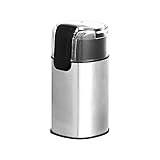
- Electric coffee bean grinder appliance for home use
- Can grind 30 grams/1 ounce of beans for drip coffee brewing in 10 seconds
- Grind coffee beans, herbs, spices, grains, nuts, and more
- Clear safety lid allows you to easily see the results in progress
- Heavy-duty stainless steel grind blade
Common mistakes (and what happens if you ignore them)
| Mistake | What it causes | Fix |
|---|---|---|
| Scooping coffee by volume | Inconsistent brew strength, leading to under- or over-extraction. | Use a kitchen scale to measure coffee grounds by weight for precise and repeatable results. |
| Using stale coffee beans | Flat, dull, or bitter taste; potentially less desirable extraction. | Store beans in an airtight container and grind them just before brewing. Purchase smaller quantities more frequently. |
| Not cleaning the coffee maker regularly | Bitter taste, residue buildup, potential for mold or bacteria growth. | Rinse the carafe and brew basket daily. Perform a deeper clean (including descaling) as recommended by the manufacturer. |
| Using tap water with high mineral content | Scale buildup in the machine, affecting performance and taste; potential damage. | Use filtered or bottled water. Descale your machine regularly according to manufacturer instructions. |
| Over-extracting the coffee | Bitter, harsh, or astringent taste; can sometimes lead to increased jitters. | Adhere to recommended brew times and temperatures. For drip, ensure water flows evenly. For immersion methods like French press, don’t steep for too long. |
| Under-extracting the coffee | Sour, weak, or thin taste; may also not extract caffeine fully, leading to odd results. | Ensure grounds are evenly saturated and water temperature is appropriate (typically 195-205°F). Adjust grind size if water flows too quickly or too slowly. |
| Ignoring personal caffeine sensitivity | Jitters, anxiety, shaking, sleep disturbances, digestive issues. | Gradually reduce your coffee intake, switch to decaf, or explore lower-caffeine brewing methods. Listen to your body and its signals. |
| Drinking coffee on an empty stomach | Can lead to increased acidity, jitters, and a faster onset of caffeine effects. | Eat a balanced meal or snack before drinking coffee. Consider having coffee later in the morning after your body has had time to wake up. |
| Using old or damaged filters | Grounds in your cup, poor extraction, potential for leaks or messy brews. | Ensure you are using the correct filter size and type for your machine. Replace disposable filters after each use. Inspect reusable filters for wear and tear. |
| Over-caffeinating from multiple sources | Amplified jitters, racing heart, insomnia, anxiety, and digestive upset. | Track all caffeine intake from coffee, tea, soda, chocolate, and any supplements or medications. Reduce intake from less obvious sources if coffee is the main culprit. |
Decision rules (simple if/then)
- If you experience shaking immediately after your first cup of the day, then reduce your serving size because a smaller amount of caffeine may be sufficient.
- If shaking occurs after drinking coffee regularly, then consider your total daily caffeine intake from all sources because you might be exceeding your personal limit.
- If your coffee tastes unusually strong or bitter, then check your coffee-to-water ratio and grind size because these directly impact extraction and caffeine levels.
- If you are sensitive to stimulants, then opt for decaffeinated coffee or a lighter roast because these generally contain less caffeine.
- If you feel jittery even before drinking coffee, then assess your stress levels and sleep quality because these can amplify caffeine’s effects.
- If shaking is accompanied by other concerning symptoms like chest pain or dizziness, then discontinue coffee consumption and consult a healthcare professional because this could indicate a more serious health issue.
- If you recently started a new medication and began experiencing shaking, then consult your doctor because it may be an interaction with caffeine.
- If you switch to a new coffee bean and start shaking, then it’s likely due to a higher caffeine content in that specific bean type or roast.
- If you brew coffee using a method known for higher caffeine extraction (like espresso), then be more mindful of serving size compared to drip coffee.
- If you are trying to reduce caffeine intake, then gradually decrease your consumption over several days rather than stopping abruptly to avoid withdrawal symptoms.
If you’re sensitive to stimulants, explore different coffee brewing methods that might yield less caffeine, or consider switching to decaf.

- Pour Over Coffee: Manual Pour Over Coffee Maker allows you to brew an excellent cup of Coffee in minutes
- Stainless steel: Includes a new and improved permanent, stainless steel mesh filter that helps extract your coffee's aromatic oils and subtle flavors instead of being absorbed by a paper filter
- Coffee Carafe: Made of durable, heat-resistant borosilicate glass with Cork Band detailing that is both functional and elegant; single wall
- Quick and Easy: Simply add coarse ground Coffee to filter, pour a small amount of water in a circular motion over ground Coffee until soaked then add the remaining water and let drip
- Servings: Pour Over Coffee Maker makes 8 cups of Coffee, 4 oz each; dishwasher safe
FAQ
Q: Can drinking coffee make me feel shaky?
A: Yes, caffeine is a stimulant that can cause jitters and shaking in some people, especially those sensitive to it or who consume large amounts.
Q: Is it my coffee maker or the coffee itself?
A: Typically, shaking is a reaction to the caffeine in the coffee you drink, not a problem with the coffee maker’s function.
Q: How much caffeine is too much?
A: This varies greatly by individual. For most healthy adults, up to 400 mg of caffeine per day (about 4 cups of brewed coffee) is generally considered safe. However, sensitivity means less can cause issues.
Q: Does decaf coffee cause shaking?
A: Decaf coffee has most, but not all, of its caffeine removed. Trace amounts may still affect very sensitive individuals.
Q: What if my shaking is severe or persistent?
A: If you experience severe, prolonged, or concerning shaking, it’s essential to consult a healthcare professional to rule out underlying medical conditions.
Q: Can I drink coffee if I have anxiety?
A: Caffeine can exacerbate anxiety symptoms for some. If you have anxiety, you might want to limit your intake or choose decaf options.
Q: Does the type of coffee bean matter?
A: Yes, Robusta beans generally have significantly more caffeine than Arabica beans. Roast level can also play a minor role.
Q: What are the signs of having too much caffeine?
A: Besides shaking, signs include rapid heartbeat, insomnia, nervousness, dizziness, and digestive upset.
Q: Can I still enjoy coffee if I’m sensitive?
A: Yes, you can try switching to decaf, drinking smaller amounts, opting for lighter roasts, or brewing with a lower coffee-to-water ratio.
Q: Is it safe to drink coffee after exercising?
A: Combining caffeine and exercise can increase heart rate and potentially lead to jitters or palpitations in some individuals.
What this page does NOT cover (and where to go next)
- Detailed caffeine content of specific coffee brands or roasts: For precise numbers, check the brand’s official information or independent lab tests.
- Medical advice for persistent tremors or shaking: If your symptoms are severe or ongoing, consult a doctor.
- Troubleshooting specific coffee maker malfunctions: For issues like leaks or heating problems, refer to your coffee maker’s manual or the manufacturer’s support.
- Advanced brewing techniques for specific flavor profiles: Explore resources dedicated to the art and science of coffee brewing.
- Nutritional information beyond caffeine: For detailed dietary breakdowns, consult a registered dietitian or reliable nutrition sources.