
Coffee’s Influence on Thrush Infections
Quick answer
- The link between coffee and thrush isn’t straightforward.
- Some research suggests coffee might inhibit fungal growth.
- Others point to sugar added to coffee as a potential issue.
- Your individual body chemistry plays a big role.
- It’s best to consult a healthcare professional for personalized advice.
Key terms and definitions
- Thrush: A yeast infection, often caused by Candida albicans. It can affect the mouth, throat, or vagina.
- Candida albicans: A common type of yeast that lives in the body. It usually doesn’t cause problems but can overgrow.
- Antifungal: A medication that kills or inhibits the growth of fungi.
- Oral thrush: Thrush that occurs in the mouth and throat.
- Vaginal thrush: Thrush that occurs in the vagina.
- pH balance: The measure of acidity or alkalinity in a substance. This can affect yeast growth.
- Immune system: The body’s defense system against infections and diseases.
- Probiotics: Live beneficial bacteria that can help maintain a healthy balance in the body.
- Fermented foods: Foods produced through controlled microbial growth, like yogurt or sauerkraut.
How it works
- Thrush is an overgrowth of a naturally occurring yeast, Candida albicans.
- Certain conditions can trigger this overgrowth. Think weakened immune systems, antibiotic use, or high sugar diets.
- When yeast overgrows, it causes the symptoms of thrush.
- The body’s natural defenses usually keep yeast in check.
- Factors that disrupt this balance can lead to an infection.
- Understanding these triggers is key to managing thrush.
- It’s not always about introducing something new, but about restoring balance.
What affects the result
- Sugar intake: This is a big one. Yeast feeds on sugar. Loading your coffee with sugar or artificial sweeteners could potentially fuel an overgrowth.
- Caffeine: Some studies suggest caffeine might have antifungal properties. This is where it gets interesting.
- Acidity: Coffee is acidic. While this might not directly impact yeast, it can affect your body’s overall pH balance, which can play a role.
- Added dairy: If you add milk or cream, consider the lactose content. For some, dairy can be an issue.
- Individual immune response: Everyone’s body is different. Your immune system’s strength is a major factor in controlling yeast.
- Medications: Antibiotics, for example, can kill off good bacteria, allowing yeast to thrive.
- Overall diet: Beyond just coffee, your general eating habits matter. A diet high in refined carbs and sugar is a common culprit.
- Hydration: Staying well-hydrated supports overall bodily functions, including immune response.
- Stress levels: Chronic stress can weaken your immune system, making you more susceptible to infections.
- Oral hygiene: Keeping your mouth clean is crucial for preventing oral thrush.
- Probiotic intake: Consuming probiotics, either through food or supplements, can help maintain a healthy balance of microorganisms.
- Hormonal changes: Fluctuations in hormones, like during pregnancy or menopause, can sometimes trigger thrush.
Pros, cons, and when it matters
- Pro: Potential antifungal properties: Some research hints that compounds in coffee might inhibit Candida growth. This is a cool thought.
- Con: Sugar as fuel: If you’re a heavy sugar-added coffee drinker, that’s a direct food source for yeast. Simple math.
- Pro: Antioxidants: Coffee is packed with antioxidants, which are generally good for your health and immune system.
- Con: Acidity concerns: While not directly proven to worsen thrush, coffee’s acidity could be a factor for some individuals sensitive to pH changes.
- Pro: Ritual and comfort: For many, coffee is a morning ritual that provides comfort and focus. This mental aspect shouldn’t be ignored.
- Con: Sleep disruption: If you drink coffee too late, it can mess with your sleep, impacting your immune system. Not ideal for fighting any infection.
- Pro: Social connection: Coffee shops are social hubs. Connection is good for well-being.
- Con: Potential for dependence: Relying too heavily on caffeine can lead to withdrawal symptoms and other issues.
- When it matters: If you’re actively dealing with a thrush infection, especially oral or vaginal, paying attention to your diet is key. This is when the sugar vs. caffeine debate really comes into play.
- When it matters less: If you’re generally healthy and don’t have recurring thrush issues, the impact of your daily cup might be minimal.
- When it matters: If you’re prone to yeast infections, every little bit of dietary control counts.
- When it matters: When you’re trying to understand why you keep getting thrush.
Common misconceptions
- Myth: Coffee always makes thrush worse. Not necessarily. The sugar is usually the bigger villain.
- Myth: Black coffee is bad for thrush. The evidence is mixed. Some studies suggest it might even help a little.
- Myth: You have to cut out coffee completely. For most people, moderation and sugar reduction are enough.
- Myth: All yeast infections are the same. Thrush can manifest differently and have different triggers.
- Myth: Sugar-free sweeteners are fine. Some artificial sweeteners can still impact gut bacteria and yeast balance.
- Myth: Only women get thrush. Men can get oral and other forms of thrush too.
- Myth: Thrush is always a sign of a serious health problem. Often, it’s a temporary imbalance.
- Myth: Probiotics cure thrush. They help restore balance, but aren’t a direct cure for an active infection.
- Myth: Coffee is dehydrating. While it has a mild diuretic effect, it doesn’t typically cause dehydration if consumed in moderation.
- Myth: Only people with weak immune systems get thrush. Many healthy individuals experience it.
FAQ
Does drinking coffee cause thrush?
No, coffee itself doesn’t directly cause thrush. Thrush is an overgrowth of yeast. Factors like sugar intake, antibiotics, and a weakened immune system are more common causes.
Can I drink coffee if I have thrush?
Generally, yes, but with a caveat. If you add sugar or milk that causes issues for you, it’s best to cut back or switch to black coffee.
Is black coffee good or bad for thrush?
The research is mixed and ongoing. Some studies suggest coffee compounds might inhibit yeast growth, while others focus on potential acidity or stimulant effects. It’s highly individual.
What about coffee with milk and sugar?
This is where it gets tricky. The sugar is a direct food source for yeast. If you’re sensitive, consider reducing or eliminating sugar and observing how your body reacts.
Should I switch to decaf?
Decaf still contains caffeine, though less. The primary concern regarding thrush is usually sugar content, not the caffeine level itself.
Are artificial sweeteners in coffee okay for thrush?
This is debated. Some research suggests artificial sweeteners can negatively impact gut bacteria, potentially affecting yeast balance. It’s wise to use them sparingly if you have thrush concerns.
How long does it take for thrush to clear up?
With proper treatment (antifungal medication) and dietary adjustments, thrush can start clearing up within a few days to a week. However, it can take longer for symptoms to fully resolve.
If thrush is persistent, an effective antifungal medication can help clear it up quickly.
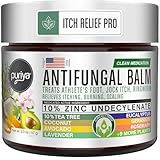
- Clinically Proven Fungal Treatment: Effectively treats Athlete’s Foot, Jock Itch, and Ringworm with the Power of 10% Zinc Undecylenate, a clinically proven antifungal ingredient. This physician-formulated balm goes beyond simple relief; it targets stubborn fungal infections in areas prone to fungal irritation, helping clear the skin and restore comfort.
- Relief Starts in Minutes: Stop the frustrating itch-scratch cycle fast with an extra-strength blend of the active ingredient, cleansing tea tree, cooling eucalyptus, and nourishing botanical oils that quickly soothes intense itching and burning on the feet, groin, and body, helping you get back to your active life without distraction.
- 10% Zinc Undecylenate + Tea Tree & 18 Plants, Nothing Else: We combine our antifungal active ingredient, Zinc Undecylenate, with Tea Tree Oil and 18 plant-based ingredients including Coconut and Lavender. This thoughtfully balanced formula delivers effective antifungal treatment while plant oils help support skin comfort and moisture, making it tough on fungus yet gentle enough for sensitive skin.
- Treats, Hydrates & Protects: Healthy skin plays an important role in overall skin comfort. Unlike standard chemical creams that can leave skin feeling dry, our balm’s antifungal active ingredient treats the infection, while plant-based ingredients help hydrate dry, cracked-looking skin and support a healthy skin barrier. With consistent use, well-moisturized skin is less prone to irritation that can accompany recurring fungal discomfort.
- Sweat-Resistant Formula & Odor Control: Designed for active lifestyles, this antifungal balm stays on to work even through movement and sweat. It features a moisture-resistant barrier that locks in the treatment and helps neutralize foot and body odor associated with fungal-prone areas, with a crisp, clean, natural scent and no lingering chemical smells.
What are the best drinks if I have thrush?
Water is always your best bet. Unsweetened herbal teas and plain kefir or unsweetened yogurt drinks (if dairy doesn’t bother you) can also be good choices.
Can coffee affect oral thrush?
Yes, the same principles apply. Sugar in coffee can feed oral yeast. Some people find very hot drinks irritating to oral thrush.
For oral thrush, maintaining excellent oral hygiene is crucial, so consider specialized oral hygiene products.

- HELPS TO ELIMINATE & PREVENT BAD BREATH: Scraping your tongue twice a day is a quick and easy way to help eliminate and prevent bad breath, or halitosis. Improve your confidence by having fresher breath and overall better oral health. The Guru Nanda Tongue Scraper removes layers of gunk and old food, which promotes a healthier, better appearance to your mouth. Say goodbye to white tongue!
- IMPROVES YOUR SENSE OF TASTE: Using a tongue scraper before or after brushing has been known to help increase your sense of taste. By removing dead cells and food debris, it makes food and drink more accessible to your taste buds. With regular use, start enjoying a heightened sense of taste and fresher breath simply by cleaning your tongue twice a day.
- MEDICAL GRADE STAINLESS STEEL: Better than plastic-tongue scrapers, the high-quality, medical grade, rust-proof stainless steel is made to last and is easy to clean. With no need to worry about it breaking under pressure, the ergonomic design feels comfortable in the hand and effectively cleans your tongue. Simply wash the tongue scraper after each use with warm water, or since it’s made of stainless steel, you can even put it in the dishwasher!
- TRAVEL FRIENDLY & SAFE FOR ALL AGES: Small enough to fit in a pocket, handbag, purse, or luggage, our tongue cleaner is the ideal size for travel. The design is compatible for people of all ages, from children to adults. Made with Medical Grade Stainless steel, it is both safe and effective for all ages. Plus, this special pack includes two scrapers in a travel case for optimal value.
- PERFECT FOR YOUR ORAL CARE ROUTINE: Guru Nanda specializes in natural products for wellness, including our Top Rated Pulling Oil. By adding the quick, simple step of tongue scraping to your oral care routine, start relishing in improved oral health. Guru Nanda prides itself on its commitment to globally and ethically sourced products and offers hassle-free returns with a 100% satisfaction guarantee.
Should I see a doctor about my thrush?
Absolutely. If you suspect you have thrush, especially if it’s persistent or severe, it’s crucial to get a proper diagnosis and treatment plan from a healthcare professional.
What this page does NOT cover (and where to go next)
- Specific medical treatments for thrush. Consult a doctor for prescriptions.
- Detailed nutritional plans for managing yeast overgrowth. Talk to a registered dietitian.
- In-depth scientific studies on coffee and Candida. Look for peer-reviewed scientific journals.
- Specific brands or types of coffee makers. That’s a whole other brewing adventure.
- Home remedies that haven’t been scientifically validated. Stick to proven methods.