
The Link Between Coffee And Tremors Or Shaking
Quick Answer
- Caffeine, the primary stimulant in coffee, can temporarily increase alertness and energy levels.
- For some individuals, especially those sensitive to caffeine, this stimulation can manifest as jitters or shaking.
- Factors like caffeine dosage, individual tolerance, and metabolism play a significant role.
- The effect is usually short-lived, diminishing as caffeine is processed by the body.
- If you experience persistent or concerning tremors, it’s advisable to consult a healthcare professional.
Key Terms and Definitions
- Caffeine: A natural stimulant found in coffee beans, tea leaves, and cacao pods, known for its ability to increase alertness.
- Tremor: An involuntary, rhythmic shaking or quivering of a part of the body, most commonly the hands.
- Stimulant: A substance that increases the activity of the central nervous system and the body, leading to increased alertness and energy.
- Metabolism: The chemical processes that occur within a living organism in order to maintain life. This includes how the body breaks down and uses substances like caffeine.
- Tolerance: The ability of an individual to withstand the effects of a substance, such as caffeine, after repeated exposure.
- Central Nervous System (CNS): The part of the nervous system that consists of the brain and spinal cord, responsible for coordinating activity throughout the body.
- Adenosine Receptors: Proteins in the brain that caffeine blocks, which are responsible for signaling fatigue.
- Adrenaline (Epinephrine): A hormone and neurotransmitter that increases heart rate and blood flow, preparing the body for “fight or flight.” Caffeine can trigger its release.
- Dehydration: A condition where the body loses more fluid than it takes in, which can sometimes exacerbate feelings of shakiness.
- Withdrawal: Symptoms experienced when a person stops consuming a substance they have become dependent on, which can include tremors.
How Coffee Affects Your Nervous System
- When you consume coffee, the caffeine is absorbed into your bloodstream and travels to your brain.
- In the brain, caffeine primarily works by blocking adenosine receptors. Adenosine is a neurotransmitter that promotes relaxation and sleepiness.
- By blocking adenosine, caffeine increases the activity of other neurotransmitters like dopamine and norepinephrine, which are associated with alertness and wakefulness.
- This increased neural activity can lead to heightened sensory perception and a feeling of being more awake.
- Caffeine can also stimulate the adrenal glands to release adrenaline.
- Adrenaline is part of the body’s “fight or flight” response, causing increased heart rate, blood pressure, and blood flow to muscles.
- The combined effect of increased neural activity and adrenaline release can make the body’s systems more sensitive.
- For some, this heightened sensitivity can manifest as physical symptoms like jitters or a mild tremor.
- The intensity and duration of these effects depend on how quickly your body metabolizes the caffeine.
What Affects Whether Coffee Makes You Shake
- Caffeine Content: Different coffee beans and brewing methods yield varying caffeine levels. A stronger brew or a larger serving will contain more caffeine.
- Individual Sensitivity: People have different genetic predispositions and sensitivities to caffeine. Some individuals can consume large amounts without noticeable effects, while others are very sensitive.
- Metabolism Rate: Your body’s ability to break down caffeine varies. Factors like genetics, age, and liver health influence how quickly caffeine is processed.
- Dosage: The more caffeine you consume at one time, the more pronounced its stimulant effects are likely to be.
- Frequency of Consumption: Regular coffee drinkers often develop a tolerance, meaning they need more caffeine to achieve the same effects and may experience fewer jitters.
- Other Stimulants: Consuming coffee alongside other caffeinated beverages (like energy drinks or soda) or certain medications can amplify the stimulant effects.
- Hydration Levels: Being dehydrated can sometimes make you feel more sensitive to the effects of stimulants, potentially leading to shakiness.
- Sleep Quality: Lack of sleep can make your nervous system more reactive, and caffeine can exacerbate this sensitivity.
- Anxiety or Stress: If you are already feeling anxious or stressed, the stimulant effects of caffeine can heighten these feelings and contribute to physical tremors.
- Medications: Certain prescription or over-the-counter medications can interact with caffeine, potentially increasing its stimulant effects or causing side effects like shaking.
- Underlying Health Conditions: In rare cases, tremors can be a symptom of an underlying medical condition. If tremors are persistent or severe, it’s important to rule out other causes.
- Time of Day: Consuming coffee later in the day, especially if you are sensitive to caffeine, might lead to heightened jitters as the stimulant’s effects linger closer to bedtime.
If you’re looking to manage your caffeine intake more precisely or are sensitive to the effects of coffee, consider exploring caffeine supplements. These can offer a more controlled dose, allowing you to better gauge your body’s reaction.
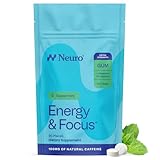
- Fast-Acting Nootropic - Our energy supplements deliver an extra boost of energy and clarity with a blend of natural caffeine, L-theanine, and vitamin b6 & b12. Your go-to chewing gum for work, exercise, and daily focus!
- Clean Energy - Each piece of our sugar free gum delivers 100mg of natural caffeine from green coffee beans for a smooth energy boost without crashes or jitters.
- The Perfect Balance - With 60mg of L-theanine per piece, our energy and focus formula promotes enhanced focus and stress reduction to smooth energy boosts.
- How to Use - Chew one piece of the caffeine gum whenever focus or energy is lacking. Ideal for mornings, pre-workout, or afternoon slumps. Effects typically kick in within minutes thanks to optimal absorption through the mouth.
- Made by Neuro, Backed by Science - At Neuro, we combine neuroscience with clean, science backed ingredients to help you do more, think better, and feel your best every single day.
Pros, Cons, and When It Matters
- Pro: Increased Alertness and Focus: Coffee can significantly improve concentration and combat fatigue, which can be beneficial for tasks requiring sustained mental effort.
- Con: Jitters and Shakiness: For sensitive individuals, the stimulant effect can lead to unpleasant physical sensations like trembling hands.
- Pro: Enhanced Physical Performance: Caffeine can boost endurance and reduce perceived exertion, making it useful for athletes or those engaging in physical activity.
- Con: Sleep Disruption: Consuming coffee too close to bedtime can interfere with sleep patterns, leading to insomnia or poor sleep quality.
- Pro: Antioxidant Properties: Coffee contains antioxidants that may offer health benefits, though this is separate from its stimulant effects.
- Con: Digestive Issues: For some, coffee can cause stomach upset or heartburn, which might be exacerbated by the stimulating effect.
- Pro: Social and Ritualistic Value: Coffee plays a role in many social gatherings and daily routines, offering comfort and connection.
- Con: Potential for Dependence and Withdrawal: Regular, high consumption can lead to dependence, with withdrawal symptoms like headaches and fatigue if consumption stops.
- Pro: Mood Enhancement: Caffeine can temporarily boost mood for some individuals by affecting neurotransmitter levels.
- Con: Exacerbation of Anxiety: For those prone to anxiety disorders, caffeine can heighten feelings of nervousness and trigger panic-like symptoms.
- Pro: Cognitive Benefits: Some studies suggest moderate coffee consumption may be linked to a reduced risk of certain neurological conditions over the long term.
- Con: When Precision is Crucial: If your work or hobbies require extremely steady hands (e.g., certain types of surgery, detailed model building), even mild caffeine-induced tremors could be problematic.
Common Misconceptions
- Myth: All coffee causes shaking. Fact: Sensitivity to caffeine varies greatly; many people drink coffee without experiencing tremors.
- Myth: Shaking from coffee is a sign of serious health problems. Fact: For most people, mild jitters are a temporary side effect of caffeine’s stimulant properties and resolve on their own.
- Myth: Decaf coffee has no stimulant effect. Fact: Decaffeinated coffee still contains a small amount of caffeine, which could affect highly sensitive individuals.
- Myth: You need to drink a lot of coffee to feel shaky. Fact: Even a single cup can cause jitters in individuals with low caffeine tolerance.
- Myth: The shaking is caused by the heat of the coffee. Fact: While hot beverages can temporarily increase blood flow, the primary cause of tremors from coffee is caffeine.
- Myth: Shaking means your body is rejecting the coffee. Fact: It’s usually a physiological response to a stimulant affecting the nervous system, not a rejection.
- Myth: Coffee is the only common beverage that causes shaking. Fact: Other caffeinated drinks like tea, soda, and energy drinks can also cause similar effects.
- Myth: Shaking is a permanent side effect. Fact: The effects of caffeine are temporary and wear off as the body metabolizes it.
- Myth: Only unhealthy people get shaky from coffee. Fact: Caffeine sensitivity is not directly linked to overall health status; it’s often genetic.
- Myth: You can “sweat out” caffeine to stop shaking. Fact: While hydration is important, it doesn’t significantly speed up caffeine metabolism to eliminate tremors quickly.
FAQ
- Q: How long does it take for coffee-induced shaking to stop?
A: The duration varies based on individual metabolism and the amount consumed, but effects typically lessen within a few hours as the caffeine is processed.
- Q: Is it bad if coffee makes me shake?
A: Mild, temporary shaking is usually not harmful for most people and is a sign of caffeine’s stimulant effect. However, if it’s severe or persistent, it’s worth discussing with a doctor.
- Q: What can I do to reduce shaking after drinking coffee?
A: Staying hydrated, eating a balanced meal, and avoiding other stimulants can help. For immediate relief, some find light physical activity or deep breathing exercises useful.
- Q: Should I avoid coffee if it makes me shake?
A: If the shaking is bothersome, you might consider reducing your intake, switching to lower-caffeine options, or opting for decaf.
- Q: Can caffeine withdrawal cause shaking?
A: Yes, tremors can be one of the symptoms of caffeine withdrawal for individuals who regularly consume significant amounts of caffeine and then stop abruptly.
- Q: Does the type of coffee matter for shaking?
A: Yes, different roasts and brewing methods have varying caffeine levels. Lighter roasts and espresso-based drinks can sometimes have more caffeine per serving than dark roasts or drip coffee.
- Q: Can I drink coffee if I have a medical condition that causes tremors?
A: If you have an existing tremor condition, it’s best to consult your doctor before consuming caffeine, as it may exacerbate your symptoms.
What This Page Does NOT Cover (and Where to Go Next)
- Specific Caffeine Content of All Coffee Brands: For precise figures, always check the packaging or manufacturer’s website.
- Medical Diagnosis of Tremor Disorders: If you experience persistent or severe tremors, seek advice from a qualified healthcare professional.
- Detailed Caffeine Metabolism Science: This page provides a general overview; for in-depth biochemical explanations, consult scientific literature.
- Personalized Dietary Advice: Recommendations for managing caffeine intake based on individual health conditions should come from a doctor or registered dietitian.