
Coffee’s Effect on Energy Levels: Does It Make You Hyper?
Quick answer
- Coffee’s primary active compound, caffeine, is a stimulant that can increase alertness and reduce fatigue.
- For most people, coffee leads to a feeling of focused energy rather than hyperactivity.
- Individual responses to caffeine vary significantly due to genetics, tolerance, and consumption habits.
- While coffee can boost energy, it doesn’t typically cause extreme hyperactivity in healthy adults.
- Excessive caffeine intake can lead to jitteriness, anxiety, and sleep disturbances, which might be mistaken for hyperactivity.
- Factors like sleep quality, diet, and stress levels also play a crucial role in how you feel after drinking coffee.
Key terms and definitions
- Caffeine: A naturally occurring stimulant found in coffee beans, tea leaves, and cocoa beans. It works by blocking adenosine, a neurotransmitter that promotes relaxation and sleepiness.
- Adenosine: A neurotransmitter that builds up in your brain throughout the day, signaling tiredness and promoting sleep. Caffeine inhibits its effects.
- Stimulant: A substance that increases the activity of the central nervous system, leading to increased alertness, energy, and mood.
- Central Nervous System (CNS): The brain and spinal cord. Caffeine’s effects are primarily on the CNS.
- Tolerance: A condition where the body becomes accustomed to a substance, requiring larger amounts to achieve the same effect. Regular coffee drinkers often develop caffeine tolerance.
- Withdrawal: The symptoms experienced when a person stops consuming a substance they are dependent on. Caffeine withdrawal can include headaches, fatigue, and irritability.
- Neurotransmitter: Chemical messengers that transmit signals from a neuron across a synapse to a target cell.
- Metabolism: The chemical processes that occur within a living organism in order to maintain life. Caffeine can slightly increase metabolic rate.
- Endorphins: Chemicals produced by the body that act as natural painkillers and mood elevators. Coffee may indirectly influence their release.
- Hyperactivity: A state of excessive physical activity, restlessness, and difficulty with attention, often associated with conditions like ADHD.
How it works
- Coffee contains caffeine, a psychoactive stimulant that affects the brain.
- Caffeine’s molecular structure is similar to adenosine, a neurotransmitter that signals fatigue.
- By binding to adenosine receptors, caffeine blocks adenosine from exerting its calming effects.
- This blockage leads to increased alertness and a reduced perception of tiredness.
- Caffeine also stimulates the release of other neurotransmitters like dopamine and norepinephrine.
- Dopamine is associated with pleasure and reward, contributing to a mood boost.
- Norepinephrine is a stress hormone that increases heart rate and blood flow, contributing to the feeling of energy.
- These combined effects can make you feel more awake, focused, and energized.
- The speed at which caffeine is absorbed and metabolized varies among individuals.
- The overall impact is a temporary increase in mental and physical arousal.
What affects the result
- Caffeine Content: Different coffee beans and brewing methods yield varying caffeine levels. A standard 8 oz cup of brewed coffee can contain anywhere from 95-200 mg of caffeine.
- Individual Sensitivity: Genetics play a significant role in how quickly your body metabolizes caffeine and how sensitive your brain is to its effects. Some people are “fast metabolizers” and feel less impact, while others are “slow metabolizers.”
- Tolerance Level: Regular coffee drinkers develop a tolerance to caffeine. This means they need more caffeine to achieve the same level of alertness as someone who rarely drinks it.
- Brewing Method: Espresso, for example, is concentrated and delivers a quick hit of caffeine, while a drip coffee might release it more gradually. Cold brew coffee can also have different caffeine concentrations.
- Grind Size: A finer grind increases the surface area exposed to water, potentially leading to faster extraction of caffeine and other compounds.
- Water Temperature: Optimal brewing temperatures, typically between 195-205°F (90-96°C), ensure efficient extraction of flavor and caffeine.
- Brewing Time: The longer coffee grounds are in contact with water, the more compounds, including caffeine, can be extracted.
- Coffee Bean Type: Robusta beans generally have nearly twice the caffeine content of Arabica beans.
- Serving Size: Drinking a larger volume of coffee naturally increases the total caffeine intake.
- Dietary Factors: Consuming coffee on an empty stomach can lead to faster absorption and a more pronounced effect.
- Sleep Quality: If you are already sleep-deprived, the impact of caffeine might feel more significant as it attempts to counteract profound fatigue.
- Other Stimulants: Consuming coffee alongside other caffeinated beverages or supplements can amplify its effects.
For those looking for a more controlled caffeine intake, consider caffeine supplements. They offer a precise dosage without the flavors or additional compounds found in coffee.
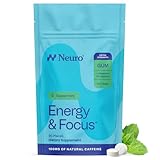
- Fast-Acting Nootropic - Our energy supplements deliver an extra boost of energy and clarity with a blend of natural caffeine, L-theanine, and vitamin b6 & b12. Your go-to chewing gum for work, exercise, and daily focus!
- Clean Energy - Each piece of our sugar free gum delivers 100mg of natural caffeine from green coffee beans for a smooth energy boost without crashes or jitters.
- The Perfect Balance - With 60mg of L-theanine per piece, our energy and focus formula promotes enhanced focus and stress reduction to smooth energy boosts.
- How to Use - Chew one piece of the caffeine gum whenever focus or energy is lacking. Ideal for mornings, pre-workout, or afternoon slumps. Effects typically kick in within minutes thanks to optimal absorption through the mouth.
- Made by Neuro, Backed by Science - At Neuro, we combine neuroscience with clean, science backed ingredients to help you do more, think better, and feel your best every single day.
Pros, cons, and when it matters
- Pro: Increased Alertness: Coffee effectively combats drowsiness, making it invaluable for tasks requiring sustained attention, like driving long distances or working late.
- Con: Jitteriness and Anxiety: For sensitive individuals or with excessive consumption, coffee can induce feelings of nervousness, restlessness, and even panic.
- Pro: Improved Focus: Caffeine can sharpen cognitive functions, aiding in concentration and problem-solving for mentally demanding activities.
- Con: Sleep Disruption: Drinking coffee too close to bedtime can interfere with falling asleep and reduce sleep quality, creating a cycle of fatigue.
- Pro: Mood Enhancement: Many people report a temporary lift in mood and a sense of well-being after drinking coffee, possibly due to dopamine release.
- Con: Digestive Issues: Coffee can stimulate the digestive system, potentially causing heartburn or an upset stomach in some individuals.
- Pro: Physical Performance Boost: Caffeine can enhance athletic performance by increasing adrenaline and mobilizing fatty acids for energy.
- Con: Dependence and Withdrawal: Regular use can lead to physical dependence, with withdrawal symptoms like headaches and fatigue occurring if consumption stops abruptly.
- Pro: Social Ritual: Coffee breaks are a common and often enjoyable social activity, fostering connection and providing a moment of pause.
- Con: Potential for Addiction: While not as severe as other substances, caffeine can be habit-forming, making it difficult for some to cut back.
- Pro: Antioxidant Properties: Coffee contains antioxidants that may offer health benefits, though this is secondary to its stimulant effects.
- Con: Exacerbation of Pre-existing Conditions: For individuals with certain heart conditions or anxiety disorders, coffee might worsen their symptoms.
Common misconceptions
- Myth: Coffee always makes people hyper. Reality: For most, it provides focused energy; true hyperactivity is rare and often linked to other factors.
- Myth: The more coffee, the more energy. Reality: Excessive caffeine can lead to diminishing returns, causing anxiety and diminishing focus instead of boosting it.
- Myth: Decaf coffee has no caffeine. Reality: Decaffeinated coffee still contains a small amount of caffeine, though significantly less than regular coffee.
- Myth: Coffee is unhealthy. Reality: In moderation, for most healthy adults, coffee can be part of a healthy diet and may even offer some health benefits.
- Myth: Caffeine is addictive like hard drugs. Reality: Caffeine dependence is generally mild, and withdrawal symptoms are typically short-lived and manageable.
- Myth: Coffee stunts your growth. Reality: There is no scientific evidence to support the claim that coffee consumption negatively impacts height or growth.
- Myth: Coffee is a good substitute for sleep. Reality: While it can mask fatigue temporarily, it does not provide the restorative benefits of actual sleep.
- Myth: All coffee has the same amount of caffeine. Reality: Caffeine content varies widely based on bean type, roast, grind, and brewing method.
- Myth: Coffee makes you dehydrated. Reality: While caffeine has a mild diuretic effect, regular coffee drinkers often develop tolerance, and the fluid consumed balances this out.
- Myth: Coffee is only good for energy. Reality: Beyond its stimulant effects, coffee offers flavor, aroma, and can be a social lubricant.
FAQ
Q1: Does coffee make people hyper?
For most individuals, coffee increases alertness and focus rather than causing hyperactivity. True hyperactivity is uncommon and usually related to other underlying factors.
Q2: How quickly does coffee affect my energy levels?
You might start to feel the effects of caffeine within 15 to 45 minutes after consumption, with peak effects typically occurring about an hour later.
Q3: Can I develop a tolerance to coffee?
Yes, regular consumption of coffee can lead to tolerance, meaning you may need to drink more to achieve the same level of alertness over time.
Q4: What happens if I drink too much coffee?
Consuming too much coffee can lead to side effects like jitters, anxiety, rapid heart rate, digestive upset, and difficulty sleeping.
Q5: Is it okay to drink coffee if I have anxiety?
If you have anxiety, it’s advisable to consume coffee cautiously or avoid it, as caffeine can sometimes exacerbate anxiety symptoms for sensitive individuals.
Q6: How does coffee interact with sleep?
Caffeine blocks adenosine, a sleep-promoting neurotransmitter. Drinking coffee too late in the day can significantly disrupt your ability to fall asleep and reduce sleep quality.
Q7: Does the type of coffee matter for its energy-boosting effects?
Yes, different coffee beans (like Robusta vs. Arabica) and brewing methods can result in varying caffeine levels, thus affecting the intensity of the energy boost.
Q8: Can coffee help me stay awake for long periods?
Coffee can help improve alertness and reduce the perception of fatigue, making it useful for staying awake for extended tasks, but it’s not a substitute for adequate sleep.
What this page does NOT cover (and where to go next)
- Specific health benefits or risks associated with long-term, high-level coffee consumption.
- Detailed nutritional breakdowns of different coffee beverages (e.g., lattes, cappuccinos).
- The precise genetic markers that influence caffeine metabolism.
- Advanced brewing techniques for optimizing flavor and caffeine extraction.
- The chemical compounds in coffee beyond caffeine and their effects.