
The Science Behind Coffee’s Addictive Qualities
Quick Answer: What Makes Coffee Addictive?
- Caffeine is the main player, a stimulant that messes with your brain chemistry.
- It blocks adenosine, a neurotransmitter that makes you feel tired.
- This blocking effect boosts dopamine, a feel-good chemical, leading to that pleasant buzz.
- Regular use can lead to physical dependence, causing withdrawal symptoms.
- The ritual and sensory experience also play a big role in habit formation.
- It’s a complex mix of chemistry, psychology, and habit.
If you’re looking for a more direct way to manage your caffeine intake or experience its effects, consider caffeine supplements. They offer a concentrated dose for those who want to understand or control their stimulant levels.
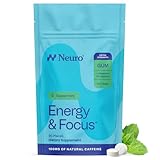
- Fast-Acting Nootropic - Our energy supplements deliver an extra boost of energy and clarity with a blend of natural caffeine, L-theanine, and vitamin b6 & b12. Your go-to chewing gum for work, exercise, and daily focus!
- Clean Energy - Each piece of our sugar free gum delivers 100mg of natural caffeine from green coffee beans for a smooth energy boost without crashes or jitters.
- The Perfect Balance - With 60mg of L-theanine per piece, our energy and focus formula promotes enhanced focus and stress reduction to smooth energy boosts.
- How to Use - Chew one piece of the caffeine gum whenever focus or energy is lacking. Ideal for mornings, pre-workout, or afternoon slumps. Effects typically kick in within minutes thanks to optimal absorption through the mouth.
- Made by Neuro, Backed by Science - At Neuro, we combine neuroscience with clean, science backed ingredients to help you do more, think better, and feel your best every single day.
Key Terms and Definitions
- Caffeine: A natural stimulant found in coffee beans, tea leaves, and cacao pods. It’s the primary psychoactive compound in coffee.
- Adenosine: A neurotransmitter in your brain that slows down nerve cell activity. It builds up during the day, signaling fatigue.
- Receptors: Tiny docking stations in your brain where molecules like adenosine attach. Caffeine fits into these too.
- Dopamine: A neurotransmitter associated with pleasure, reward, and motivation. Caffeine’s effects can indirectly increase dopamine levels.
- Central Nervous System (CNS): The brain and spinal cord. Caffeine primarily acts on the CNS.
- Stimulant: A substance that increases the activity of the central nervous system, leading to increased alertness and energy.
- Tolerance: When your body gets used to a substance, requiring more of it to achieve the same effect.
- Withdrawal: Unpleasant physical or psychological symptoms that occur when you stop using a substance your body has become dependent on.
- Psychoactive: Affecting the mind or behavior.
- Neurotransmitter: A chemical messenger that transmits signals from a neuron across a synapse to a target cell.
How Coffee’s Addictive Qualities Work
- When you drink coffee, caffeine enters your bloodstream and travels to your brain.
- In the brain, caffeine’s molecular structure is similar to adenosine.
- Caffeine latches onto adenosine receptors, blocking adenosine from binding.
- With adenosine blocked, nerve cell activity speeds up, not slows down.
- This increased neural firing triggers the pituitary gland to signal other glands.
- These glands release adrenaline, the “fight or flight” hormone.
- Adrenaline makes your heart beat faster and opens up blood vessels.
- Caffeine also indirectly influences dopamine release in the brain’s reward pathways.
- This dopamine surge contributes to the feelings of pleasure and focus many people associate with coffee.
- Over time, your brain might even grow more adenosine receptors to compensate.
What Affects Coffee’s Addictive Qualities
- Caffeine Content: Darker roasts don’t necessarily have more caffeine. The bean type and brewing method matter more.
- Brewing Method: Espresso, for example, concentrates caffeine more than drip coffee.
- Amount Consumed: Drinking multiple cups a day increases your caffeine intake and the likelihood of dependence.
- Individual Sensitivity: Genetics play a role in how quickly your body metabolizes caffeine. Some folks are wired to feel it more.
- Frequency of Consumption: Daily drinkers are more prone to developing tolerance and withdrawal.
- Ritual and Association: The morning routine, the smell, the warmth – these create strong psychological links.
- Sleep Habits: Poor sleep can make you more reliant on coffee for alertness, amplifying perceived addiction.
- Other Stimulants: Consuming other caffeinated products or substances can increase overall stimulant load.
- Hydration: Dehydration can mimic some caffeine withdrawal symptoms, making you feel worse when you skip your cup.
- Diet: What you eat can affect how quickly caffeine is absorbed into your system.
- Stress Levels: High stress can make you more sensitive to caffeine’s effects and more likely to seek it out.
- Medications: Certain medications can interact with caffeine metabolism.
Pros, Cons, and When It Matters
- Pro: Increased Alertness: Great for those early mornings or late-night pushes. Helps you power through.
- Con: Sleep Disruption: Can mess with your sleep cycle if consumed too late in the day.
- Pro: Improved Focus: Many find it sharpens their concentration for tasks.
- Con: Anxiety and Jitters: Too much caffeine can lead to feeling restless or on edge.
- Pro: Mood Enhancement: The dopamine boost can genuinely lift your spirits.
- Con: Dependence: Your body can get used to it, making it hard to function without it.
- Pro: Antioxidants: Coffee contains beneficial compounds that may have health perks.
- Con: Withdrawal Symptoms: Headaches, fatigue, and irritability can hit hard if you stop suddenly.
- Pro: Social Ritual: Grabbing coffee with friends is a common, enjoyable social activity.
- Con: Digestive Issues: Some people experience heartburn or stomach upset.
- Pro: Enhanced Physical Performance: Caffeine is known to boost athletic endurance.
- Con: Cost: Daily coffee habits can add up over time. It matters if you’re on a tight budget.
Common Misconceptions About Coffee
- Myth: Dark roast coffee has more caffeine. Nope. Lighter roasts often have more caffeine by weight, though brewing methods can change things.
- Myth: Coffee is purely bad for you. While overuse has downsides, moderate consumption has potential health benefits.
- Myth: You can’t be addicted to coffee. Physical dependence and withdrawal symptoms are real signs of addiction.
- Myth: Coffee makes you dehydrated. While it has a mild diuretic effect, for regular drinkers, this is usually offset by the fluid intake.
- Myth: Caffeine is only found in coffee. Nope, it’s in tea, soda, chocolate, and some energy bars too.
- Myth: All coffee headaches are caffeine withdrawal. Headaches can have many causes, though skipping your usual cup can trigger them.
- Myth: You need to drink coffee to be productive. Plenty of people are productive without it, using other methods to stay energized.
- Myth: Caffeine is a toxin. In moderate amounts, it’s a widely consumed and generally safe stimulant for most adults.
- Myth: Decaf coffee has zero caffeine. It has a small amount, but significantly less than regular coffee.
FAQ
Q: How much caffeine is too much?
For most healthy adults, up to 400 milligrams of caffeine per day is generally considered safe. That’s about four cups of brewed coffee. Exceeding this can lead to negative side effects.
Q: Can I get addicted to coffee even if I only drink one cup a day?
It’s less likely, but possible. Individual sensitivity varies greatly. If you experience withdrawal when you miss your cup, you might have some level of dependence.
Q: What are the main symptoms of caffeine withdrawal?
The most common are headaches, fatigue, irritability, and difficulty concentrating. Some people might also experience flu-like symptoms.
Q: Is caffeine the only thing that makes coffee addictive?
No. The ritual, the aroma, the taste, and the social aspect all contribute to the habit-forming nature of coffee.
Q: Does caffeine affect everyone the same way?
Absolutely not. Genetics, body weight, age, and regular consumption all influence how your body processes and reacts to caffeine.
Q: Can I overcome coffee dependence?
Yes. Gradually reducing your intake, staying hydrated, and ensuring good sleep hygiene can help. Sometimes, short-term pain relief for headaches is needed.
Q: Is it bad to drink coffee first thing in the morning?
For some, it’s essential. For others, it might be better to wait an hour or so after waking up to let your natural cortisol levels peak. It really depends on the person.
Q: What’s the difference between caffeine tolerance and addiction?
Tolerance means you need more to get the same effect. Addiction implies a compulsive need, often accompanied by withdrawal when you stop. They often go hand-in-hand.
What This Page Does Not Cover (and Where to Go Next)
- Specific health benefits or risks of coffee consumption, beyond its addictive qualities. (Look for articles on coffee and health).
- Detailed brewing methods for different coffee makers. (Explore guides on brewing techniques).
- The history of coffee cultivation and trade. (Research the origins and global impact of coffee).
- Specific scientific studies on caffeine’s neurochemical pathways. (Consult scientific journals or review articles).
- Recommendations for specific coffee brands or types. (Check out coffee review sites or forums).