
Understanding How Coffee Affects Your Mood
Quick answer
- Coffee’s main player is caffeine, a stimulant.
- It blocks adenosine, a chemical that makes you feel tired.
- This leads to increased alertness and focus.
- Some folks get jitters or anxiety from too much caffeine.
- Genetics play a big role in how you react.
- It can also boost dopamine, affecting mood.
Key terms and definitions
- Caffeine: The primary stimulant in coffee. It’s a natural chemical that wakes you up.
- Adenosine: A neurotransmitter in your brain that builds up during the day. It signals tiredness.
- Stimulant: A substance that increases the activity of the central nervous system. Think of it like hitting the gas pedal for your brain.
- Dopamine: A neurotransmitter often called the “feel-good” chemical. It’s involved in pleasure and motivation.
- Central Nervous System (CNS): Your brain and spinal cord. Caffeine directly impacts this.
- Neurotransmitter: Chemical messengers in the brain that transmit signals.
- Tolerance: When your body gets used to a substance, needing more to get the same effect.
- Withdrawal: Symptoms that occur when you stop taking a substance your body is dependent on.
- Placebo Effect: A beneficial effect produced by a placebo drug or treatment, which cannot be attributed to the properties of the placebo itself, and must therefore be assumed to be the result of the patient’s belief in that treatment.
- Circadian Rhythm: Your body’s natural sleep-wake cycle. Coffee can mess with this if you’re not careful.
How it works
- When you drink coffee, caffeine is absorbed into your bloodstream.
- It travels to your brain.
- There, it latches onto adenosine receptors.
- Think of adenosine as the “off” switch for your brain. Caffeine blocks this switch.
- With adenosine blocked, other neurotransmitters like dopamine and norepinephrine get a boost.
- Norepinephrine is like a natural adrenaline, increasing alertness and attention.
- Dopamine is released, which can improve mood and make tasks feel more rewarding.
- This whole process makes you feel more awake, focused, and sometimes, just plain happy.
- It’s like your brain is getting a gentle nudge to keep going.
- This is why that first cup in the morning feels so crucial for many of us.
If you’re looking for a controlled way to experience caffeine’s benefits without the coffee, consider exploring caffeine supplements.
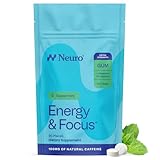
Neuro Energy & Focus Gum, Extra Strength - 100mg Natural Caffeine Gum & Nootropic Energy Supplement with L-Theanine & B Vitamins - Sugar Free, Vegan - Spearmint, 90ct
- Fast-Acting Nootropic - Our energy supplements deliver an extra boost of energy and clarity with a blend of natural caffeine, L-theanine, and vitamin b6 & b12. Your go-to chewing gum for work, exercise, and daily focus!
- Clean Energy - Each piece of our sugar free gum delivers 100mg of natural caffeine from green coffee beans for a smooth energy boost without crashes or jitters.
- The Perfect Balance - With 60mg of L-theanine per piece, our energy and focus formula promotes enhanced focus and stress reduction to smooth energy boosts.
- How to Use - Chew one piece of the caffeine gum whenever focus or energy is lacking. Ideal for mornings, pre-workout, or afternoon slumps. Effects typically kick in within minutes thanks to optimal absorption through the mouth.
- Made by Neuro, Backed by Science - At Neuro, we combine neuroscience with clean, science backed ingredients to help you do more, think better, and feel your best every single day.
What affects how coffee makes me feel
- Caffeine Content: Different beans and brewing methods yield varying caffeine levels. A dark roast might have less caffeine than a light roast, surprisingly.
- Your Genetics: Some people metabolize caffeine faster or slower. This is a huge factor in how long its effects last and how intense they are.
- Amount Consumed: Drinking one cup is different from downing a whole pot. Dosage matters, big time.
- Time of Day: Caffeine can disrupt your natural sleep-wake cycle, especially if consumed late. I learned that the hard way.
- Food Intake: Drinking coffee on an empty stomach can hit you harder and faster. Having a bite to eat can mellow it out.
- Tolerance Level: Regular drinkers build up a tolerance. That morning jolt might not be as strong as it used to be.
- Hydration: Being dehydrated can make you feel more sensitive to caffeine’s effects. Stay hydrated, folks.
- Other Stimulants/Depressants: Mixing coffee with other substances can have unpredictable results. Stick to coffee and water, usually.
- Your Current Mood/Stress Level: If you’re already anxious, caffeine might amplify that. If you’re feeling low, it might lift you up.
- Brewer Type: Espresso shots deliver a quick, intense hit. A pour-over might offer a more sustained release.
- Bean Roast Level: Lighter roasts tend to retain more caffeine than darker roasts, though the flavor profile changes.
- Freshness of Beans: Stale beans might not produce the same nuanced effects, though the caffeine is still there.
Pros, cons, and when it matters
- Pro: Increased Alertness: Great for early mornings or late-night tasks. Helps you power through.
- Con: Jitters/Anxiety: Too much caffeine can make you feel shaky and on edge. Not ideal.
- Pro: Improved Focus: Can help you concentrate on work or study. Good for getting stuff done.
- Con: Sleep Disruption: Drinking coffee too late can mess with your sleep cycle. Waking up groggy is the worst.
- Pro: Mood Enhancement: The dopamine boost can lead to feelings of happiness and well-being. A little lift never hurt.
- Con: Caffeine Withdrawal: Skipping your daily cup can lead to headaches and fatigue. It’s a real thing.
- Pro: Enhanced Physical Performance: Caffeine is a common pre-workout ingredient for a reason. It can give you that extra push.
- Con: Digestive Issues: For some, coffee can cause stomach upset or heartburn. Listen to your gut.
- Pro: Antioxidants: Coffee beans contain beneficial antioxidants. A small perk, but still a perk.
- Con: Dependency: Relying on coffee to function can become a habit that’s hard to break. Moderation is key.
- Pro: Social Ritual: Grabbing coffee with friends is a pleasant social activity. It’s more than just the drink.
- Con: Cost: Daily coffee shop visits can add up quickly. Brewing at home saves cash.
Common misconceptions
- Myth: Dark roast coffee has more caffeine. Actually, lighter roasts often have more caffeine because the roasting process burns off some of it.
- Myth: Coffee makes you dehydrated. While it has a mild diuretic effect, the water in coffee usually offsets this for moderate consumption.
- Myth: You need coffee to be productive. Many people are productive without it, or with less of it. Your mileage may vary.
- Myth: Caffeine is bad for your heart. For most healthy adults, moderate coffee consumption isn’t linked to increased heart disease risk. Check with your doc if you have concerns.
- Myth: Coffee is addictive like a hard drug. While you can develop a dependency and experience withdrawal, it’s not typically considered addictive in the same way as more dangerous substances.
- Myth: Espresso has way more caffeine than drip coffee. A single shot of espresso has less caffeine than a standard cup of drip coffee, though it’s more concentrated.
- Myth: Coffee stunts your growth. This is a classic old wives’ tale with no scientific basis.
- Myth: You can “sweat out” caffeine. You can’t eliminate caffeine from your system faster by exercising. Time is the main factor.
- Myth: All coffee headaches are from caffeine withdrawal. Headaches can be caused by many things, including dehydration or stress, not just a missed coffee.
- Myth: Coffee is the only way to feel alert. Plenty of other healthy habits can boost energy and focus without the caffeine crash.
FAQ
- Why do I feel jittery after coffee? This is usually a sign you’ve had too much caffeine for your body’s sensitivity. Try a smaller cup or a less caffeinated brew.
- Can coffee really make me happy? Yes, the caffeine can stimulate dopamine release, a neurotransmitter associated with pleasure and reward. It can give you a temporary mood lift.
- How long does coffee affect my mood? The effects can last anywhere from 3 to 6 hours, depending on your metabolism and how much you drank. Some people feel it longer.
- What if coffee makes me anxious instead of happy? Some people are more sensitive to caffeine’s stimulant effects. If this happens, consider reducing your intake or switching to decaf.
- Does the type of coffee bean matter for mood? While the caffeine content varies, the primary mood effects come from the caffeine itself, not the specific bean origin. Flavor profiles are more impacted.
- Is it okay to drink coffee before bed? Generally, no. Caffeine can interfere with your sleep, making it harder to fall asleep and reducing sleep quality. Try to stop a few hours before bedtime.
- What happens if I stop drinking coffee suddenly? You might experience caffeine withdrawal symptoms like headaches, fatigue, and irritability. It’s usually temporary.
- Can coffee help with focus? Absolutely. By blocking adenosine and boosting other neurotransmitters, coffee can sharpen your attention and concentration.
- Does adding milk or sugar change how coffee affects my mood? Not the caffeine’s direct impact, but adding sugar can cause a brief energy spike followed by a crash, which can affect your overall mood.
What this page does NOT cover (and where to go next)
- Specific brewing techniques for optimal flavor.
- Detailed caffeine content charts for different coffee types.
- The science behind coffee’s long-term health benefits or risks.
- Recipes for coffee-based drinks.
- How to choose the best coffee maker for your needs.