
Why Is Coffee So Addictive? Exploring the Science
Quick answer
- Caffeine is the main driver behind coffee’s addictive nature.
- It blocks adenosine, a neurotransmitter that makes you feel tired.
- This leads to increased alertness and focus, which can be habit-forming.
- The ritual of making and drinking coffee also plays a role.
- Individual responses to caffeine vary significantly.
- It’s more about dependence than a severe addiction for most people.
Key terms and definitions
- Caffeine: A natural stimulant found in coffee beans, tea leaves, and cocoa. It’s the primary reason coffee is so compelling.
- Adenosine: A neurotransmitter in your brain that slows down nerve cell activity. It signals your body it’s time to rest.
- Dopamine: A neurotransmitter associated with pleasure and reward. Caffeine can indirectly influence its release.
- Central Nervous System (CNS): The brain and spinal cord. Caffeine directly affects its function.
- Stimulant: A substance that raises levels of physiological or nervous activity. Caffeine is a classic example.
- Dependence: When your body gets used to a substance and experiences withdrawal symptoms if you stop.
- Withdrawal: Unpleasant physical and psychological symptoms that occur when you stop using a substance you’re dependent on.
- Neurotransmitter: Chemical messengers that transmit signals from a neuron across a synapse to a target cell.
- Tolerance: When your body needs more of a substance to achieve the same effect.
- Placebo Effect: A beneficial effect produced by a drug or treatment that cannot be attributed to the properties of the placebo itself, and must therefore be due to or be a result of the patient’s belief in that treatment.
How it works
- Coffee beans contain caffeine, a naturally occurring stimulant.
- When you drink coffee, caffeine enters your bloodstream and travels to your brain.
- In the brain, caffeine molecules look a lot like adenosine.
- Caffeine binds to adenosine receptors, blocking adenosine from doing its job.
- Adenosine’s job is to tell your brain to slow down and feel tired.
- By blocking adenosine, caffeine prevents this “sleepy” signal.
- This leads to increased alertness and reduced fatigue.
- The brain then produces more adenosine receptors to compensate.
- This can lead to caffeine tolerance over time.
- When caffeine levels drop, the increased number of adenosine receptors signal for sleepiness more strongly, causing withdrawal.
If you’re looking for a more controlled way to manage your caffeine intake, consider caffeine supplements. They offer a precise dosage without the added flavors or rituals of coffee.
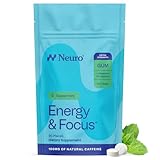
- Fast-Acting Nootropic - Our energy supplements deliver an extra boost of energy and clarity with a blend of natural caffeine, L-theanine, and vitamin b6 & b12. Your go-to chewing gum for work, exercise, and daily focus!
- Clean Energy - Each piece of our sugar free gum delivers 100mg of natural caffeine from green coffee beans for a smooth energy boost without crashes or jitters.
- The Perfect Balance - With 60mg of L-theanine per piece, our energy and focus formula promotes enhanced focus and stress reduction to smooth energy boosts.
- How to Use - Chew one piece of the caffeine gum whenever focus or energy is lacking. Ideal for mornings, pre-workout, or afternoon slumps. Effects typically kick in within minutes thanks to optimal absorption through the mouth.
- Made by Neuro, Backed by Science - At Neuro, we combine neuroscience with clean, science backed ingredients to help you do more, think better, and feel your best every single day.
What affects the result
- Caffeine Content: Different beans and brewing methods yield varying caffeine levels. A dark roast might taste stronger but often has less caffeine than a light roast.
- Brewing Method: Espresso, drip, French press – they all extract caffeine differently. Espresso has a high concentration, but you drink less.
- Roast Level: Lighter roasts generally retain more caffeine than darker roasts.
- Grind Size: Finer grinds allow for quicker caffeine extraction.
- Water Temperature: Ideal brewing temps (around 195-205°F) maximize caffeine extraction. Too hot or too cold can affect it.
- Brew Time: Longer contact between water and grounds means more caffeine extraction.
- Individual Genetics: Some people metabolize caffeine faster or slower than others. This is a big one.
- Tolerance Level: Regular drinkers build up a tolerance, requiring more to feel the same buzz.
- Amount Consumed: Obviously, more coffee means more caffeine.
- Other Ingredients: Cream, sugar, or milk can slightly alter absorption, though caffeine is the main player.
- Time of Day: Your body’s natural rhythms interact with caffeine’s effects.
- Hydration Levels: Being dehydrated can sometimes make the effects feel more pronounced.
Pros, cons, and when it matters
- Pro: Increased Alertness: Coffee wakes you up, sharpens focus. Great for early mornings or late nights.
- Con: Jitters and Anxiety: Too much caffeine can make you feel shaky and on edge. Not ideal before a big presentation.
- Pro: Improved Physical Performance: Caffeine can boost endurance and strength. Good for athletes.
- Con: Sleep Disruption: Drinking coffee too late can mess with your sleep cycle. A rookie mistake.
- Pro: Mood Enhancement: Coffee can temporarily lift your spirits. Who doesn’t like a good mood?
- Con: Dependence and Withdrawal: Stopping cold turkey can lead to headaches and fatigue. Plan your breaks.
- Pro: Rich Flavor and Ritual: The taste and the act of brewing are satisfying. It’s a whole experience.
- Con: Digestive Issues: For some, coffee can cause stomach upset. Listen to your gut.
- Pro: Antioxidants: Coffee contains beneficial compounds. A little bonus.
- Con: Potential for Addiction: While not severe addiction for most, reliance can be a factor. Moderation is key.
- Pro: Social Aspect: Meeting for coffee is a common social activity. Good for connecting.
- Con: Cost: Daily coffee habits can add up over time. My wallet feels that.
Common misconceptions
- Myth: Dark roast coffee has more caffeine. Nope. Lighter roasts usually win.
- Myth: Caffeine is only found in coffee. False. Tea, chocolate, and some sodas have it too.
- Myth: Coffee is inherently unhealthy. Not really, in moderation. It has benefits.
- Myth: You can “sweat out” caffeine. Not a thing. Your liver processes it.
- Myth: Decaf coffee has zero caffeine. It has a small amount, just significantly reduced.
- Myth: Caffeine is a highly addictive drug like opioids. It’s a stimulant, and dependence is different from severe addiction.
- Myth: Coffee stunts your growth. An old wives’ tale. No scientific basis for that.
- Myth: Espresso is the most caffeinated coffee. It’s concentrated, but a large drip coffee often has more total caffeine.
- Myth: You need coffee to be productive. Many people find other ways to boost energy.
- Myth: Adding milk or sugar cancels out caffeine. It doesn’t affect the caffeine itself, just the taste.
FAQ
What is the main reason coffee feels addictive?
The primary driver is caffeine. It acts as a stimulant that blocks adenosine, a chemical that makes you feel tired. This leads to increased alertness and a temporary mood boost, which can become a habit.
Can I become physically dependent on coffee?
Yes, it’s common. If you drink coffee regularly, your body can adapt to the presence of caffeine. Stopping abruptly can lead to withdrawal symptoms like headaches and fatigue.
Is coffee addiction a serious problem?
For most people, it’s considered a mild dependence rather than a severe addiction. Withdrawal symptoms are usually manageable and temporary. However, for a small percentage, it can be more problematic.
How long does caffeine withdrawal last?
Symptoms typically start 12-24 hours after your last dose and can last from 2 to 9 days. Headaches are the most common complaint.
Does caffeine affect everyone the same way?
Absolutely not. Genetics play a huge role in how quickly your body metabolizes caffeine and how sensitive you are to its effects. Some people can drink coffee late and sleep fine; others can’t.
What’s the difference between dependence and addiction?
Dependence means your body needs the substance to function normally and experiences withdrawal without it. Addiction involves compulsive use despite harmful consequences, often with cravings and loss of control.
Can I overcome my coffee dependence?
Yes. Gradually reducing your intake is the best way to minimize withdrawal symptoms. Try swapping some coffee for decaf or reducing your daily cups over a week.
Are there any health benefits to coffee?
In moderation, yes. Studies suggest coffee consumption can be linked to a lower risk of certain diseases and contains antioxidants. But, like anything, too much can be detrimental.
Does the ritual of coffee contribute to its appeal?
Definitely. The morning routine, the aroma, the warmth of the mug – these sensory and habitual aspects create a strong psychological connection for many people, beyond just the caffeine.
What is a healthy amount of coffee to drink?
For most healthy adults, up to 400 milligrams of caffeine per day (about 4 cups of brewed coffee) is generally considered safe. However, individual sensitivity varies greatly.
What this page does NOT cover (and where to go next)
- Specific health risks or benefits associated with high coffee consumption. (Look into nutritional science resources.)
- Detailed comparisons of different coffee brewing equipment. (Explore home brewing guides.)
- The exact chemical breakdown of caffeine and its interaction with every receptor in the brain. (Consult neuroscience literature.)
- Legal or regulatory aspects of caffeine content in beverages. (Check food and beverage industry standards.)
- Advanced coffee tasting techniques and flavor profiles. (Seek out specialty coffee resources.)