
Can Coffee Help Suppress Your Appetite?
Quick answer
- Coffee contains caffeine, a known stimulant.
- Caffeine can affect hormones related to hunger and satiety.
- It might temporarily reduce feelings of hunger.
- The effect varies from person to person.
- It’s not a magic bullet for weight loss.
- Other factors play a bigger role in appetite control.
Key terms and definitions
- Appetite: The desire to eat food.
- Satiety: The feeling of fullness after eating.
- Ghrelin: A hormone that stimulates hunger.
- Peptide YY (PYY): A hormone that signals fullness.
- Caffeine: A natural stimulant found in coffee beans.
- Metabolism: The process your body uses to convert food into energy.
- Thermogenesis: The production of heat in the body, which can burn calories.
- Placebo effect: When a person experiences a benefit from a treatment that has no therapeutic effect, but they believe it does.
- Cortisol: A stress hormone that can influence appetite.
- Hydration: The process of absorbing water, which can affect feelings of fullness.
How it works
- Caffeine enters your bloodstream.
- It travels to your brain and blocks adenosine receptors. Adenosine makes you feel tired.
- This blockage increases alertness and can also impact other neurotransmitters.
- Some research suggests caffeine can influence ghrelin levels. Lower ghrelin means less hunger.
- It might also boost peptide YY (PYY) release. More PYY means feeling fuller.
- Caffeine can stimulate your nervous system. This might lead to a temporary increase in energy expenditure.
- It can also trigger the release of adrenaline. This is your “fight or flight” hormone.
- Adrenaline can signal fat cells to break down fat. This is part of the thermogenesis process.
- The overall effect is a complex interplay of hormones and nervous system signals.
- It’s not a direct “appetite suppressant” in the way a medication might be. It’s more of a subtle influence.
While coffee is a common source of caffeine, if you’re looking for a more direct way to experience caffeine’s potential appetite-suppressing effects without the coffee ritual, consider caffeine supplements. These can provide a consistent dose to explore its impact.
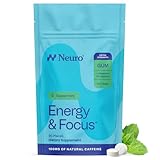
- Fast-Acting Nootropic - Our energy supplements deliver an extra boost of energy and clarity with a blend of natural caffeine, L-theanine, and vitamin b6 & b12. Your go-to chewing gum for work, exercise, and daily focus!
- Clean Energy - Each piece of our sugar free gum delivers 100mg of natural caffeine from green coffee beans for a smooth energy boost without crashes or jitters.
- The Perfect Balance - With 60mg of L-theanine per piece, our energy and focus formula promotes enhanced focus and stress reduction to smooth energy boosts.
- How to Use - Chew one piece of the caffeine gum whenever focus or energy is lacking. Ideal for mornings, pre-workout, or afternoon slumps. Effects typically kick in within minutes thanks to optimal absorption through the mouth.
- Made by Neuro, Backed by Science - At Neuro, we combine neuroscience with clean, science backed ingredients to help you do more, think better, and feel your best every single day.
What affects the result
- Caffeine content: Darker roasts often have slightly less caffeine than lighter roasts, though this can vary. More caffeine generally means a stronger potential effect.
- Your individual sensitivity: Some people are wired differently. What makes one person feel less hungry might do nothing for another.
- Timing of consumption: Drinking coffee before a meal might have a more noticeable impact than drinking it hours later.
- What you add to your coffee: Cream, sugar, syrups, and milk add calories and can counteract any appetite-suppressing effects. Black coffee is key here.
- Your usual coffee habits: If you drink coffee all the time, your body might be less responsive to its effects.
- Your baseline hunger level: If you’re already starving, coffee might just give you a jolt and not much else.
- Sleep quality: Poor sleep can mess with your hunger hormones, making coffee’s effect less predictable.
- Stress levels: High cortisol can increase appetite, potentially overriding coffee’s influence.
- Hydration status: Being well-hydrated can help manage hunger. Coffee is a fluid, but don’t rely on it solely for hydration.
- Dietary habits: What you eat throughout the day plays a massive role in appetite control, regardless of coffee intake.
- Genetics: Your DNA plays a role in how you metabolize caffeine and how your hormones respond.
- Brewer type: While not directly related to appetite suppression, the way you brew can affect the final taste and your enjoyment, which might influence how much you drink.
Pros, cons, and when it matters
- Pro: Can offer a temporary reduction in hunger pangs. This might help with calorie control for some.
- Con: The effect is often short-lived. Hunger can return later.
- Pro: Can boost alertness and focus, which can be helpful for productivity.
- Con: Can lead to jitters or anxiety in sensitive individuals.
- Pro: For some, the ritual of making and drinking coffee is satisfying in itself.
- Con: Adding calories (sugar, cream) negates potential benefits and adds to intake.
- Pro: May offer a slight metabolic boost through thermogenesis.
- Con: Not a substitute for a balanced diet and exercise. Relying on it alone is a mistake.
- Pro: Can improve physical performance, which might indirectly help with calorie burning.
- Con: Can disrupt sleep if consumed too late in the day.
- Pro: It’s a widely accessible and relatively inexpensive beverage.
- Con: Can cause digestive issues for some people.
- Pro: Might help some people feel more satisfied with smaller portions.
- Con: Individual responses vary wildly, so it’s not a guaranteed solution.
- When it matters: This might be useful for someone looking for a little help managing cravings between meals, provided they drink it black and are not sensitive to caffeine. It’s not for someone looking for a dramatic, long-term appetite solution.
Common misconceptions
- Myth: Coffee is a powerful appetite suppressant that will make you stop eating.
- Reality: The effect is generally mild and temporary for most people.
- Myth: The more coffee you drink, the less hungry you’ll be.
- Reality: Too much caffeine can cause negative side effects and won’t necessarily suppress hunger further.
- Myth: Adding sugar and cream to coffee doesn’t matter if you’re trying to suppress appetite.
- Reality: Those additions add calories and can spike blood sugar, potentially increasing hunger later.
- Myth: Coffee burns a significant amount of calories.
- Reality: While there’s a minor metabolic boost, it’s not enough to cause substantial weight loss on its own.
- Myth: Everyone experiences appetite suppression from coffee.
- Reality: Individual sensitivity and genetics play a huge role.
- Myth: Coffee is a magic weight-loss drink.
- Reality: It’s a beverage with potential side effects and influences, not a standalone solution.
- Myth: Decaf coffee has no effect on appetite.
- Reality: Decaf still contains a small amount of caffeine, and the ritual itself can be satisfying.
- Myth: Coffee’s effects are solely due to caffeine.
- Reality: Other compounds in coffee might also play a role, though caffeine is the primary driver.
FAQ
Q: Does black coffee suppress appetite?
A: Yes, black coffee, primarily due to its caffeine content, can temporarily reduce feelings of hunger for many people. It’s the simplest way to consume it if you’re looking for this effect.
Q: How long does coffee’s appetite-suppressing effect last?
A: The duration varies, but it’s typically felt for a couple of hours after consumption. It’s not a long-term solution for hunger management.
Q: Can I drink coffee if I’m trying to lose weight?
A: You can, but be mindful of what you add. Black coffee is low in calories. Adding lots of sugar and cream will negate any potential benefits and add calories.
Q: What if coffee makes me feel more hungry?
A: Some individuals might experience this, or their hunger might return more intensely after the initial effect wears off. Listen to your body.
Q: Is it safe to drink coffee for appetite control?
A: For most healthy adults, moderate coffee consumption is safe. However, if you have underlying health conditions or are sensitive to caffeine, consult a doctor.
Q: What’s the best time to drink coffee for appetite suppression?
A: Drinking it about 30 minutes to an hour before a meal might be most effective for potentially reducing intake during that meal.
Q: Does decaf coffee help with appetite?
A: Decaf coffee has much less caffeine, so its appetite-suppressing effect will be significantly weaker, if present at all. The ritual itself might still offer some psychological satisfaction.
Q: Can coffee replace meals?
A: Absolutely not. Coffee should be a beverage, not a meal replacement. It lacks the necessary nutrients your body needs.
What this page does NOT cover (and where to go next)
- Specific scientific studies and their methodologies.
- Detailed comparisons of different coffee brewing methods for appetite impact.
- Personalized dietary plans or weight loss programs.
- The precise biochemical pathways of every hormone affected.