
The Science Behind Coffee and Energy
Quick answer
- Coffee’s primary energy-boosting compound is caffeine, a natural stimulant.
- Caffeine works by blocking adenosine receptors in the brain, preventing the “tired” signal.
- The perceived energy boost can vary based on individual sensitivity, coffee type, and consumption habits.
- Beyond caffeine, other compounds in coffee, like antioxidants, may contribute to overall well-being.
- The stimulating effects typically begin within 15-45 minutes and can last for several hours.
- Regular consumption can lead to tolerance, requiring more coffee for the same energy effect.
Key terms and definitions
- Caffeine: A natural stimulant found in coffee, tea, and cacao plants, known for its psychoactive effects.
- Adenosine: A neurotransmitter in the brain that promotes relaxation and sleepiness.
- Adenosine Receptors: Specific proteins on brain cells that adenosine binds to, signaling the body to slow down.
- Half-life (Caffeine): The time it takes for half of the caffeine consumed to be eliminated from the body, typically 3-5 hours.
- Tolerance: A reduced response to a drug or substance (like caffeine) that occurs after repeated exposure.
- Neurotransmitter: Chemical messengers that transmit signals across neurons in the brain.
- Dopamine: A neurotransmitter associated with pleasure, reward, and motivation, whose levels can be indirectly affected by caffeine.
- Antioxidants: Compounds that protect cells from damage caused by free radicals, abundant in coffee.
- Bioavailability: The proportion of a drug or other substance that enters the circulation when introduced into the body and so is able to have an active effect.
- Placebo Effect: A beneficial effect produced by a placebo drug or treatment, which cannot be attributed to the properties of the placebo itself, and must therefore be due to the patient’s belief in that treatment.
How it works: How does coffee make you feel energetic?
- When you drink coffee, caffeine is absorbed into your bloodstream, primarily through the stomach and small intestine.
- It then travels to the brain, where it crosses the blood-brain barrier.
- Once in the brain, caffeine’s molecular structure is similar enough to adenosine to bind to its receptors.
- By binding to adenosine receptors, caffeine blocks adenosine from attaching, preventing the “tired” signal from being sent.
- This blockade leads to increased activity of other stimulating neurotransmitters like dopamine and norepinephrine.
- The result is increased alertness, improved focus, and a perceived boost in energy.
- Caffeine can also temporarily increase blood pressure and heart rate, contributing to the feeling of being more awake.
- The onset of these effects usually occurs within 15 to 45 minutes after consumption.
- The duration of the energy boost varies but generally lasts for several hours, depending on individual metabolism.
For those looking for a more direct and controlled caffeine intake, caffeine supplements can be a convenient option. They offer a precise dose without the other components of coffee.
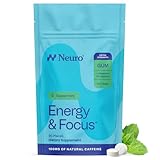
- Fast-Acting Nootropic - Our energy supplements deliver an extra boost of energy and clarity with a blend of natural caffeine, L-theanine, and vitamin b6 & b12. Your go-to chewing gum for work, exercise, and daily focus!
- Clean Energy - Each piece of our sugar free gum delivers 100mg of natural caffeine from green coffee beans for a smooth energy boost without crashes or jitters.
- The Perfect Balance - With 60mg of L-theanine per piece, our energy and focus formula promotes enhanced focus and stress reduction to smooth energy boosts.
- How to Use - Chew one piece of the caffeine gum whenever focus or energy is lacking. Ideal for mornings, pre-workout, or afternoon slumps. Effects typically kick in within minutes thanks to optimal absorption through the mouth.
- Made by Neuro, Backed by Science - At Neuro, we combine neuroscience with clean, science backed ingredients to help you do more, think better, and feel your best every single day.
What affects the result
- Caffeine Content: The amount of caffeine in your coffee varies significantly by bean type (Robusta generally has more than Arabica), roast level (darker roasts often have slightly less caffeine by volume due to longer roasting times), and brewing method.
- Individual Metabolism: Each person metabolizes caffeine at a different rate, influenced by genetics and liver enzyme activity. This affects how quickly you feel the effects and how long they last.
- Adenosine Receptor Sensitivity: The number and sensitivity of adenosine receptors in your brain can vary, impacting how strongly caffeine blocks them and thus your perceived energy boost.
- Tolerance: Regular coffee drinkers develop a tolerance to caffeine, meaning they need more to achieve the same stimulating effects as a new user.
- Sleep Deprivation: The more sleep-deprived you are, the more adenosine has built up in your brain, and the more pronounced caffeine’s effect might feel, though it doesn’t replace actual sleep.
- Time of Day: Consuming coffee late in the day can interfere with natural sleep cycles, potentially leading to a less restful night and a greater perceived need for coffee the next day.
- Other Dietary Factors: Eating a meal with your coffee can slow caffeine absorption, leading to a more gradual onset of effects. Sugary additions might provide a temporary sugar rush followed by a crash.
- Hydration Level: Dehydration can contribute to fatigue, and while coffee contains water, it’s not a primary source of hydration for energy.
- Mental State and Expectations: The placebo effect can play a role; if you expect coffee to make you feel energetic, it often will.
- Overall Health: Underlying health conditions or medications can influence how your body reacts to caffeine.
Pros, cons, and when it matters
- Pros: Enhanced Alertness and Focus: Caffeine effectively combats drowsiness, improving concentration and cognitive function, especially during tasks requiring sustained attention.
- Pros: Improved Physical Performance: Many athletes use caffeine to enhance endurance, reduce perceived exertion, and improve power output.
- Pros: Mood Boost: The increase in dopamine activity can lead to a temporary improvement in mood and a sense of well-being.
- Pros: Antioxidant Benefits: Coffee is rich in antioxidants, which may contribute to long-term health benefits, though this is distinct from the immediate energy effect.
- Cons: Sleep Disruption: Consuming coffee too late in the day can interfere with sleep, leading to insomnia or reduced sleep quality.
- Cons: Jitters and Anxiety: High doses of caffeine can cause nervousness, jitters, and exacerbate anxiety in sensitive individuals.
- Cons: Dependency and Withdrawal: Regular consumption can lead to physical dependence, with withdrawal symptoms like headaches, fatigue, and irritability if intake is stopped.
- Cons: Gastrointestinal Issues: Some people experience stomach upset, acid reflux, or increased bowel movements after drinking coffee.
- When it matters: Early Mornings: Ideal for jump-starting the day and overcoming morning grogginess.
- When it matters: Task requiring concentration: Useful for periods of intense study or work where focus is paramount.
- When it matters: Before Workouts: Can provide an energy boost for exercise, but timing is key to avoid stomach upset.
- When it matters: Managing Fatigue (short-term): Effective for temporarily staving off fatigue, but not a substitute for adequate sleep.
Common misconceptions
- Coffee is dehydrating: While caffeine is a mild diuretic, the water content in coffee typically offsets this effect, meaning moderate coffee consumption does not lead to dehydration.
- Darker roasts have more caffeine: Generally, lighter roasts tend to have slightly more caffeine by weight than darker roasts because the roasting process burns off some caffeine. However, by volume, a scoop of darker roast beans might contain slightly less caffeine.
- Coffee sobers you up: Coffee can make you feel more alert, but it does not reduce blood alcohol content or reverse the impairing effects of alcohol.
- Coffee is bad for your heart: For most healthy individuals, moderate coffee consumption (around 3-4 cups per day) is not linked to increased risk of heart disease and may even be associated with some cardiovascular benefits.
- Coffee is addictive in the same way as hard drugs: While caffeine can cause physical dependence and withdrawal symptoms, it does not typically lead to the compulsive drug-seeking behavior and severe societal consequences associated with addiction to illicit drugs.
- Espresso has more caffeine than drip coffee: While espresso is more concentrated, a typical serving of drip coffee (e.g., 8-12 oz) usually contains more total caffeine than a single or double shot of espresso.
- Coffee makes you crash later: The “crash” often attributed to coffee is usually the natural return of adenosine levels and fatigue, sometimes exacerbated by sugar added to coffee, rather than a direct effect of caffeine wearing off.
- Decaf coffee has no caffeine: Decaffeinated coffee still contains a small amount of caffeine, typically 2-15 mg per 8-ounce cup, compared to 95-200 mg in regular coffee.
FAQ
How long does it take for coffee to make you feel energetic?
The stimulating effects of coffee typically begin within 15 to 45 minutes after consumption. This can vary based on individual metabolism and whether you’ve consumed it with food, which can slow absorption.
Why do some people not feel energetic after drinking coffee?
Individual responses to coffee vary due to genetic factors influencing caffeine metabolism, differences in adenosine receptor sensitivity, and the development of tolerance from regular consumption. Some individuals may also be “fast metabolizers” and process caffeine quickly, leading to a shorter perceived effect.
Can coffee help with chronic fatigue?
While coffee can temporarily alleviate symptoms of fatigue, it does not address the underlying causes of chronic fatigue. Relying solely on coffee for persistent tiredness can mask more serious health issues and disrupt natural sleep patterns.
Is there a best time of day to drink coffee for energy?
Many experts suggest consuming coffee between 9:30 AM and 11:30 AM, when your body’s natural cortisol levels (a wakefulness hormone) are typically declining. Avoiding coffee too close to bedtime (e.g., within 6 hours) is generally recommended to prevent sleep disruption.
Does adding sugar to coffee increase the energy boost?
Adding sugar can provide a short-term sugar rush, which might be perceived as an additional energy boost. However, this is distinct from caffeine’s effects and can lead to a subsequent energy crash as blood sugar levels drop.
Can coffee make you more productive?
Coffee can enhance alertness, focus, and reaction time, which can contribute to increased productivity for certain tasks. However, excessive consumption can lead to jitters or anxiety, which may hinder complex cognitive functions.
What this page does NOT cover (and where to go next)
- Specific health benefits or risks of coffee consumption for particular medical conditions.
- Detailed breakdown of different coffee bean varieties and their unique chemical compositions.
- Optimal brewing methods for maximizing caffeine extraction or flavor profiles.
- In-depth discussions on coffee processing techniques (e.g., washing, natural, honey).
- The environmental impact or ethical sourcing of coffee.
- Recipes for coffee-based drinks beyond basic brewing.