
Excessive Coffee And Increased Sweating
Quick answer
- Caffeine, a stimulant in coffee, can increase your metabolic rate and heart rate, leading to a temporary rise in body temperature and perspiration.
- The amount of coffee consumed, individual caffeine sensitivity, and personal physiology all play a role in how much you sweat.
- For most people, moderate coffee consumption is unlikely to cause excessive sweating unless they are particularly sensitive.
- If you experience significant or concerning sweating after drinking coffee, it might be a sign of caffeine sensitivity or another underlying issue.
- Adjusting your coffee intake or opting for decaffeinated versions can help manage coffee-related sweating.
If you’re sensitive to caffeine’s effects, opting for decaffeinated coffee can be a great way to enjoy the taste without the increased perspiration.
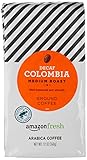
- Balanced, full-bodied medium roast with a smooth finish
- One 12-ounce bag of ground coffee
- Decaffeinated
- 100% Arabica coffee grown in Colombia
- Roasted and packed in the U.S.A.
Key terms and definitions
- Caffeine: A natural stimulant found in coffee beans, tea leaves, and cocoa beans, known for its ability to increase alertness.
- Stimulant: A substance that raises levels of physiological or nervous system activity in the body.
- Metabolism: The set of life-sustaining chemical reactions in living organisms, which convert food into energy.
- Vasodilation: The widening of blood vessels, which can increase blood flow and contribute to a feeling of warmth.
- Thermoregulation: The process by which the body maintains its core internal temperature within a narrow range.
- Dehydration: A condition that occurs when the body loses more fluid than it takes in, which can sometimes be exacerbated by diuretic substances.
- Adrenaline (Epinephrine): A hormone released by the adrenal glands in response to stress or excitement, which can increase heart rate and metabolism.
- Individual Sensitivity: The unique way a person’s body responds to a particular substance, such as caffeine.
- Diuretic: A substance that promotes the production of urine, potentially leading to increased fluid loss.
- Decaffeination: The process of removing caffeine from coffee beans.
How it works
- Coffee contains caffeine, a well-known stimulant that affects the central nervous system.
- Caffeine can increase your heart rate, making your cardiovascular system work harder.
- This increased heart activity can lead to a slight elevation in your body’s core temperature.
- Your body’s natural response to an increased internal temperature is to sweat to cool down.
- Caffeine can also stimulate the release of adrenaline, further boosting metabolic processes.
- This heightened metabolic activity generates more internal heat.
- Blood vessels near the skin’s surface may dilate to help dissipate this excess heat.
- Increased blood flow to the skin can make you feel warmer and prompt sweating.
- The diuretic effect of coffee, while generally mild, can also contribute to fluid loss, though this is less directly linked to immediate sweating.
- Ultimately, the combination of increased metabolism and heat generation can trigger a sweating response.
What affects the result
- Caffeine Content: The amount of caffeine in your coffee directly impacts its stimulating effects. A stronger brew or larger serving means more caffeine.
- Individual Sensitivity: Some people are genetically predisposed to metabolize caffeine more slowly, making them more susceptible to its effects, including sweating.
- Brewing Method: Different brewing methods can extract varying amounts of caffeine and other compounds from coffee beans, potentially influencing the physiological response.
- Coffee Consumption Volume: Drinking a single cup of coffee will likely have a different effect than consuming several cups throughout the morning.
- Time of Day: Your body’s natural circadian rhythm and hormonal balance can influence how you react to stimulants at different times.
- Diet and Hydration: What else you’ve eaten and how well-hydrated you are can affect your body’s overall response to coffee.
- Environmental Temperature: Drinking hot coffee in a already warm environment can compound the feeling of heat and increase sweating.
- Physical Activity: Engaging in exercise or strenuous activity shortly after drinking coffee will naturally increase body temperature and sweating.
- Medications and Health Conditions: Certain medications or underlying health issues can interact with caffeine or affect your body’s sweating mechanisms.
- Freshness of Coffee Beans: While more related to flavor, the freshness of beans can sometimes subtly influence the overall chemical composition extracted during brewing.
- Additives: Cream, sugar, or flavored syrups can add calories and affect your body’s metabolic response, though this is usually secondary to the caffeine.
- Genetics: Beyond caffeine metabolism, genetic factors can influence how your autonomic nervous system regulates temperature and sweating.
To help your body manage increased fluid loss and thermoregulation, consider incorporating hydration supplements into your routine, especially if you’re a regular coffee drinker.

- FAST HYDRATION: Science-based electrolyte powder formula hydrates faster than water alone; useful to rehydrate on-the-go for athletes, sports, outdoor activities, travel, and hot days.
- ELECTROLYTE FORMULA: Delivers 3x electrolytes and half the sugar than leading sports drinks in a portable, easy-mix great tasting hydration powder.
- INGREDIENT-CONSCIOUS: Non-GMO, Gluten Free, Vegan, Soy-Free, Dairy-Free, and Kosher; includes potassium, magnesium, zinc, and vitamin C for added immune support, with natural colors from fruit and vegetable juices.
- SINGLE-SERVE CONVENIENCE: Includes 16 portable electrolyte packets that are easy to carry in a gym bag, backpack, purse, desk or pantry; a simple way to keep hydration packets on hand for daily use, workouts, commuting, and travel days.
- DELICIOUS FLAVOR: Men's Journal Fitness Award for the Best-Tasting Hydration Drink. Enjoy Watermelon, Berry, Lemon, and Orange flavors in one pouch. Mix 1 packet into 8 oz of water for on-the-go hydration.
Pros, cons, and when it matters
- Pro: Increased Alertness: Coffee’s stimulant effect can improve focus and reduce fatigue, which is beneficial for tasks requiring concentration.
- Con: Potential for Sweating: For sensitive individuals, the increased body temperature and metabolic rate can lead to noticeable perspiration.
- Pro: Enhanced Physical Performance: Caffeine can improve endurance and reduce perceived exertion during exercise for some individuals.
- Con: Jitters and Anxiety: Excessive caffeine can trigger feelings of nervousness, restlessness, and even anxiety, which can be uncomfortable.
- Pro: Antioxidant Properties: Coffee beans contain antioxidants that may offer health benefits.
- Con: Digestive Upset: For some, coffee can lead to heartburn or stomach discomfort, which can sometimes be accompanied by sweating.
- Pro: Social Ritual: Enjoying coffee can be a pleasant social activity or a personal moment of relaxation.
- Con: Sleep Disruption: Consuming coffee too late in the day can interfere with sleep patterns, regardless of sweating.
- Pro: Improved Mood: The stimulant effects can temporarily boost mood and a sense of well-being.
- Con: Dependency: Regular high intake can lead to caffeine dependence, with withdrawal symptoms like headaches if consumption stops.
- When it Matters: Performance: For athletes or those needing a cognitive boost, the pros of coffee might outweigh the potential for mild sweating.
- When it Matters: Social Settings: In a casual social gathering, noticeable sweating might be a personal concern, making moderation or decaf a better choice.
Common misconceptions
- Myth: All coffee makes you sweat equally. Reality: Caffeine content varies greatly by bean, roast, and brewing method, and individual sensitivity plays a huge role.
- Myth: Sweating from coffee is always a sign of a serious problem. Reality: For many, it’s a normal physiological response to a stimulant; however, excessive or concerning sweating warrants checking with a doctor.
- Myth: Decaf coffee has no effect on sweating. Reality: Decaffeinated coffee still contains small amounts of caffeine, which might affect highly sensitive individuals.
- Myth: Drinking cold coffee prevents sweating. Reality: The temperature of the coffee is less important than the caffeine content and its effect on your internal body temperature.
- Myth: Sweating from coffee means you’re “detoxing.” Reality: Sweating is primarily a thermoregulation mechanism, not a detoxification process for coffee.
- Myth: Only weak coffee is safe for sensitive people. Reality: Even small amounts of caffeine can trigger a response in very sensitive individuals; strength is relative.
- Myth: Adding milk or sugar stops the sweating. Reality: While they affect digestion, milk and sugar do not negate the stimulant effects of caffeine on your body’s temperature regulation.
- Myth: You can build up a tolerance to the sweating effect. Reality: While some tolerance to caffeine’s effects can develop, the physiological response of sweating may persist for sensitive individuals.
- Myth: Coffee directly causes dehydration and sweating. Reality: Coffee has a mild diuretic effect, but it doesn’t typically cause significant dehydration leading to excessive sweating on its own.
FAQ
Q: Does drinking too much coffee make you sweat more?
A: Yes, caffeine in coffee is a stimulant that can increase your metabolic rate and heart rate, leading to a rise in body temperature and thus more sweating. The amount of coffee and your personal sensitivity are key factors.
Q: How much coffee is “too much” to cause sweating?
A: This varies greatly. For some, even one cup might be enough if they are very sensitive. For others, several cups might be consumed without a noticeable increase in sweating. Pay attention to your own body’s signals.
Q: Is increased sweating from coffee a sign of a health problem?
A: Generally, mild to moderate sweating after coffee is a normal response to caffeine. However, if you experience sudden, excessive, or concerning sweating, it’s best to consult a healthcare professional to rule out other causes.
Q: Can I drink coffee and avoid sweating?
A: For many, moderate consumption won’t cause significant sweating. If you’re sensitive, you might try reducing your intake, opting for decaf, or drinking coffee earlier in the day. Staying hydrated can also help your body regulate temperature.
Q: Does the type of coffee matter for sweating?
A: Yes, the caffeine content can vary. Espresso, for example, is concentrated, but a larger drip coffee might contain more total caffeine. Darker roasts generally have slightly less caffeine than lighter roasts.
Q: What should I do if coffee makes me sweat excessively?
A: Consider reducing your caffeine intake. You could switch to decaffeinated coffee, tea, or other beverages. Ensure you are well-hydrated, as this helps with thermoregulation.
Q: Does caffeine affect everyone’s sweat response the same way?
A: No, individual sensitivity to caffeine varies significantly due to genetics and other factors. Some people are much more prone to experiencing its stimulating effects, including increased sweating.
What this page does NOT cover (and where to go next)
- Specific medical advice for individuals experiencing unusual or excessive sweating. (Consult a healthcare provider).
- Detailed analysis of the chemical compounds in coffee beyond caffeine and their specific physiological effects. (Explore coffee science resources).
- Brand-specific comparisons of coffee makers or coffee beans and their impact on caffeine extraction. (Research coffee brewing guides).
- Nutritional information about coffee additives like sugar, cream, or artificial sweeteners. (Look into dietary and nutrition information).
- The full range of potential negative side effects of caffeine consumption. (Review general caffeine information).