
How Coffee Can Enhance Your Productivity
Quick answer
- Coffee can make you more productive by boosting alertness and focus.
- Caffeine, the main active compound, blocks adenosine, a neurotransmitter that makes you feel tired.
- This leads to increased dopamine and norepinephrine, improving mood and cognitive function.
- The effects are usually felt within 15-45 minutes and can last for several hours.
- However, too much coffee can lead to jitters, anxiety, and a subsequent energy crash.
- Individual responses to caffeine vary based on genetics and tolerance.
Key terms and definitions
- Caffeine: The primary stimulant in coffee, known for its psychoactive effects.
- Adenosine: A neurotransmitter that promotes relaxation and sleepiness.
- Neurotransmitter: Chemical messengers in the brain that transmit signals between nerve cells.
- Dopamine: A neurotransmitter associated with pleasure, motivation, and reward.
- Norepinephrine: A hormone and neurotransmitter that increases alertness and arousal.
- Cognitive Function: Mental processes involved in learning, thinking, and problem-solving.
- Tolerance: The reduced effect of a drug after repeated use.
- Withdrawal: Symptoms experienced when stopping caffeine intake after regular use.
- Placebo Effect: A beneficial effect produced by a placebo drug or treatment, which cannot be attributed to the properties of the placebo itself, and must therefore be due to the patient’s belief in that treatment.
- Circadian Rhythm: The body’s natural 24-hour cycle of sleep and wakefulness.
How it works
- Coffee contains caffeine, a natural stimulant.
- Caffeine’s molecular structure is similar to adenosine.
- It binds to adenosine receptors in the brain, blocking adenosine from doing its job.
- With adenosine blocked, nerve activity increases.
- This signals the pituitary gland to release hormones that tell the adrenal glands to produce adrenaline.
- Adrenaline is your “fight or flight” hormone, making you feel more alert and energized.
- Caffeine also influences other neurotransmitters like dopamine and norepinephrine.
- This can lead to improved mood, better reaction times, and enhanced memory.
- The overall effect is a temporary reduction in fatigue and an increase in mental performance.
- It’s like giving your brain a little nudge to keep going.
What affects the result
- Coffee Strength: How much coffee you brew per amount of water matters. Stronger brews mean more caffeine.
- Brewing Method: Different methods extract caffeine at different rates. Espresso, for example, is concentrated.
- Bean Type: Robusta beans generally have more caffeine than Arabica beans.
- Roast Level: Lighter roasts tend to retain slightly more caffeine than darker roasts.
- Grind Size: Finer grinds expose more surface area for extraction, potentially leading to higher caffeine in a given brew time.
- Brew Time: Longer contact between water and grounds can extract more caffeine.
- Water Temperature: Optimal brewing temperatures help extract compounds effectively, including caffeine.
- Your Genetics: Some people metabolize caffeine faster or slower than others. It’s in your DNA.
- Your Tolerance: Regular coffee drinkers build up a tolerance, needing more to feel the same effect.
- Time of Day: Brewing your first cup right after waking up might not be as effective as waiting a bit. Your body naturally produces cortisol then.
- What Else You’ve Eaten: Food in your stomach can affect how quickly caffeine is absorbed.
- Hydration Levels: Being dehydrated can sometimes amplify the effects of caffeine, both good and bad.
Pros, cons, and when it matters
- Pro: Increased alertness and reduced fatigue. Great for those early morning starts or late-night pushes.
- Con: Jitters and anxiety. If you’re prone to nervousness, too much can make it worse.
- Pro: Improved focus and concentration. Can help power through complex tasks.
- Con: Sleep disruption. Drinking coffee too late in the day can mess with your sleep schedule.
- Pro: Enhanced mood. The dopamine boost can make you feel a bit more cheerful.
- Con: Dependency and withdrawal. Skipping your usual cup can lead to headaches and irritability.
- Pro: Better physical performance. Caffeine is a known ergogenic aid for athletes.
- Con: Digestive issues. For some, coffee can cause stomach upset or heartburn.
- Pro: Potential long-term health benefits. Studies suggest links to reduced risk of certain diseases. (Always check with a doc on this stuff).
- Con: Cost. Daily coffee habits can add up, especially with fancy brews.
- When it matters: Before a big project, a long drive, a demanding workout, or when you just need to shake off that morning fog.
- When it doesn’t: When you need calm, steady focus without any edge, or when you’re trying to wind down for sleep.
Common misconceptions
- Myth: Coffee gives you energy. It doesn’t create energy; it just makes you feel less tired by blocking adenosine.
- Myth: All coffee is created equal. Caffeine content varies wildly by bean, roast, and brewing method.
- Myth: Dark roast has more caffeine. Often, lighter roasts have slightly more caffeine because it’s not roasted away as much.
- Myth: You need coffee first thing in the morning. Your body’s natural cortisol levels are highest then, so waiting an hour or two might be more effective.
- Myth: Coffee dehydrates you. While it has a mild diuretic effect, the water in coffee usually offsets it.
- Myth: Cold brew has less caffeine. Generally, cold brew is more concentrated and has more caffeine than hot brewed coffee.
- Myth: Espresso has the most caffeine. Per serving, yes, but a standard drip coffee often has more total caffeine because you drink more of it.
- Myth: Coffee is bad for your heart. For most healthy adults, moderate coffee consumption is fine. Check with your doctor if you have concerns.
- Myth: Caffeine is addictive like hard drugs. While dependence can occur, it’s generally considered less severe than addiction to other substances.
- Myth: You can’t be productive without caffeine. Many people are perfectly productive without it, or with other methods of boosting focus.
FAQ
Does coffee make you more productive?
Yes, for many people, coffee can temporarily increase alertness, focus, and cognitive function, leading to enhanced productivity.
How long does the productivity boost from coffee last?
The effects typically last for 3 to 5 hours, though this can vary based on individual metabolism and the amount consumed.
What is the best time to drink coffee for productivity?
Many experts suggest waiting 1-2 hours after waking up to allow your natural cortisol levels to drop, making the caffeine more effective.
Can too much coffee hurt productivity?
Absolutely. Excessive caffeine can lead to jitters, anxiety, and a subsequent energy crash, which can significantly hinder focus and productivity.
Does coffee affect everyone’s productivity the same way?
No, individual responses vary greatly due to genetics, tolerance, and other lifestyle factors. Some people are more sensitive to caffeine than others.
Is there a healthy way to use coffee for productivity?
Moderation is key. Stick to reasonable amounts, avoid late-day consumption, and listen to your body’s signals.
What if I don’t like coffee but want a productivity boost?
Consider other sources of caffeine like tea, or non-caffeinated options like a brisk walk, proper hydration, or a balanced meal.
If you don’t like coffee but want a productivity boost, consider caffeine supplements. They offer a convenient way to get your caffeine without the coffee taste.
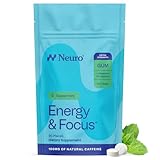
- Fast-Acting Nootropic - Our energy supplements deliver an extra boost of energy and clarity with a blend of natural caffeine, L-theanine, and vitamin b6 & b12. Your go-to chewing gum for work, exercise, and daily focus!
- Clean Energy - Each piece of our sugar free gum delivers 100mg of natural caffeine from green coffee beans for a smooth energy boost without crashes or jitters.
- The Perfect Balance - With 60mg of L-theanine per piece, our energy and focus formula promotes enhanced focus and stress reduction to smooth energy boosts.
- How to Use - Chew one piece of the caffeine gum whenever focus or energy is lacking. Ideal for mornings, pre-workout, or afternoon slumps. Effects typically kick in within minutes thanks to optimal absorption through the mouth.
- Made by Neuro, Backed by Science - At Neuro, we combine neuroscience with clean, science backed ingredients to help you do more, think better, and feel your best every single day.
Does the type of coffee matter for productivity?
Yes, different brewing methods and bean types yield different caffeine levels, which can impact the intensity and duration of the boost.
What this page does NOT cover (and where to go next)
- Specific brewing techniques for optimal coffee flavor. (Look into brewing guides).
- Detailed nutritional information about coffee. (Consult health resources).
- The science behind caffeine metabolism and genetics. (Explore scientific literature).
- Specific coffee machine reviews or comparisons. (Check product reviews).
- How to overcome chronic fatigue or sleep disorders. (Talk to a medical professional).