
Coffee And Hangovers: Does It Worsen Symptoms?
Quick Answer: Does Coffee Make a Hangover Worse?
- Coffee’s effect on hangovers is mixed. It can help you feel more alert, but might also dehydrate you further.
- Caffeine is a diuretic, meaning it can increase urine output. This can worsen dehydration, a key hangover symptom.
- For some, coffee can irritate the stomach lining, making nausea worse.
- However, for others, the jolt of caffeine can temporarily mask fatigue and headache.
- Listen to your body. If coffee feels good, go for it. If it makes you feel worse, skip it.
- Hydration is king. Always prioritize water, whether you drink coffee or not.
If you’re looking for additional support, consider exploring various hangover remedies that might offer relief.

- 🍹Party Smarter - The Party Treats Patch Are Essential for a Night Out.
- 🍸Easy to Use - Peel off the Patch From the Backing and Slap It Onto Your Skin at the Beginning of the Night, Keep On for 4 Hours, Enjoy Your Night!
- 🍹Safe & Natural - Our Patches Are Formulated in the USA and Use 100% Natural Ingredients.
- 🍸Stays on for Hours - The Strong and Skin-Friendly Adhesive Ensures That the Patches Stay On Without Having to Worry About It. They’re Also Waterproof So You Can Wear Them at Pool or Beach Parties!
- 🍹Share It With Friends - We All Have That Friend That Needs a Recovery Patch, That Friend Might Be You! Each Patch Is Individually Wrapped, Making It Easy to Hand It to Everyone, Your Friends Will Thank You!
Key Terms and Definitions
- Hangover: A collection of unpleasant physical and mental symptoms that occur after drinking too much alcohol.
- Dehydration: A state where your body loses more fluids than it takes in, leading to thirst, dizziness, and fatigue.
- Diuretic: A substance that promotes the production of urine. Caffeine is a mild diuretic.
- Acetaldehyde: A toxic byproduct of alcohol metabolism that contributes to hangover symptoms like nausea and headache.
- Vasodilation: The widening of blood vessels. Alcohol causes vasodilation, which can lead to headaches.
- Gastrointestinal Irritant: Something that irritates the stomach or intestines. Coffee can be one for some people.
- Adenosine: A neurotransmitter in the brain that promotes relaxation and sleepiness. Caffeine blocks adenosine receptors.
- Withdrawal: Symptoms experienced when a person stops consuming a substance they have become dependent on. Caffeine withdrawal can mimic some hangover symptoms.
- Electrolytes: Minerals in your body that carry an electric charge, like sodium and potassium. They are crucial for fluid balance.
How Coffee Works on Your Body (and Your Hangover)
- Caffeine Stimulates the Central Nervous System: It blocks adenosine, a chemical that makes you feel tired, making you feel more awake.
- It’s a Mild Diuretic: Caffeine can make your kidneys produce more urine. This can lead to increased fluid loss.
- Blood Vessel Constriction: Caffeine can constrict blood vessels, which might temporarily relieve some types of headaches caused by vasodilation from alcohol.
- Stomach Acid Production: Coffee can stimulate the production of stomach acid, which can be an issue if your stomach is already sensitive from alcohol.
- Masks Fatigue: The stimulant effect can temporarily override feelings of tiredness and grogginess.
- Can Affect Blood Sugar: Caffeine can sometimes cause a temporary spike or dip in blood sugar levels.
- Interacts with Alcohol Metabolism: While caffeine doesn’t directly speed up alcohol breakdown, it can affect how your body processes its effects.
- Potential for Withdrawal: If you regularly drink coffee, skipping it while hungover might add caffeine withdrawal symptoms to the mix.
For a controlled dose of alertness without the acidity of coffee, caffeine supplements can be an alternative to consider.
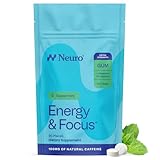
- Fast-Acting Nootropic - Our energy supplements deliver an extra boost of energy and clarity with a blend of natural caffeine, L-theanine, and vitamin b6 & b12. Your go-to chewing gum for work, exercise, and daily focus!
- Clean Energy - Each piece of our sugar free gum delivers 100mg of natural caffeine from green coffee beans for a smooth energy boost without crashes or jitters.
- The Perfect Balance - With 60mg of L-theanine per piece, our energy and focus formula promotes enhanced focus and stress reduction to smooth energy boosts.
- How to Use - Chew one piece of the caffeine gum whenever focus or energy is lacking. Ideal for mornings, pre-workout, or afternoon slumps. Effects typically kick in within minutes thanks to optimal absorption through the mouth.
- Made by Neuro, Backed by Science - At Neuro, we combine neuroscience with clean, science backed ingredients to help you do more, think better, and feel your best every single day.
What Affects How Coffee Impacts Your Hangover
- Your Personal Tolerance to Caffeine: Some folks can down espresso shots and feel fine; others get jittery from a weak brew. This matters big time.
- How Much Alcohol You Consumed: The more you drank, the rougher the hangover, and the more likely any substance will have a noticeable effect.
- Your Hydration Level: If you’re already dehydrated from alcohol, the diuretic effect of coffee can make it worse. Drink water first!
- Your Stomach’s Sensitivity: Alcohol can mess with your stomach lining. Coffee might just add insult to injury for some.
- The Type of Coffee You Drink: Black coffee is different from a creamy, sugary latte. Sugar and dairy can have their own effects.
- How Fresh Your Coffee Is: Stale coffee can taste bitter and might be harder on the stomach.
- Your Diet While Drinking: Eating greasy food might buffer some effects, while drinking on an empty stomach means alcohol hits harder.
- Sleep Quality: A rough night’s sleep combined with alcohol and coffee can be a recipe for feeling extra rough.
- Genetics: Believe it or not, how your body processes caffeine and alcohol is partly in your DNA.
- Medications: If you’re taking anything for your hangover (or anything else), interactions are possible. Always check.
- The Time of Day: Drinking coffee late at night can mess with sleep, which is crucial for recovery.
- Your Mood and Stress Levels: Feeling anxious already? Caffeine can amp that up.
Pros, Cons, and When It Matters
- Pro: Increased Alertness: Coffee can cut through that foggy, tired feeling hangovers bring. Great for getting your day started.
- Con: Dehydration Risk: The diuretic effect can make you feel even more parched. You gotta chase it with water.
- Pro: Headache Relief (Sometimes): For some, caffeine’s vasoconstrictive properties can help dial down a throbbing head.
- Con: Stomach Upset: If you’re already feeling queasy, coffee might just make you want to hurl.
- Pro: Routine and Comfort: For many, that morning cup is a ritual. It can be mentally comforting.
- Con: Jitters and Anxiety: If you’re already feeling rough, the caffeine jolt can turn into shaky nerves.
- Pro: Temporary Energy Boost: It can help you power through tasks when you’re feeling sluggish.
- Con: Can Mask Serious Issues: Feeling “fine” after coffee might lead you to push yourself too hard when your body really needs rest.
- Pro: Aids Focus: For tasks requiring concentration, coffee can help sharpen your mind.
- Con: Potential for Caffeine Withdrawal: If you’re a regular drinker, skipping it can add to your misery.
- When it Matters: It matters most when you need to function. If you have to go to work or deal with life, a carefully considered cup might help. If you’re just lounging around, maybe take it easy.
- When it Doesn’t Matter: If you’re not feeling any negative effects, or if coffee clearly makes you feel worse, it’s not worth forcing.
Common Misconceptions About Coffee and Hangovers
- Myth: Coffee Cures Hangovers. Nope. It’s a temporary fix at best, and can come with its own set of problems.
- Myth: Coffee Will Make You Sober Faster. False. Only time sober’s you up. Coffee doesn’t touch alcohol in your bloodstream.
- Myth: All Coffee is Bad for Hangovers. Not necessarily. Some people tolerate it fine, especially in moderation.
- Myth: Black Coffee is Always Better. For some, the acidity of black coffee is harsher than a latte. It depends on your stomach.
- Myth: You Should Avoid Coffee Completely. Not if you feel it helps you. Just be mindful of the downsides.
- Myth: Caffeine is the Only Active Ingredient. Other compounds in coffee can also affect your body.
- Myth: Coffee Will Cause a Worse Headache. It can for some due to dehydration or stomach issues, but it can also relieve others.
- Myth: You Should Drink More Coffee to Fight Fatigue. Too much can lead to jitters and more dehydration, making you feel worse later.
- Myth: It’s Just the Caffeine. Nope, other factors in coffee and how it interacts with your body matter.
- Myth: Coffee is a Good Substitute for Water. Definitely not. Water is your best friend when hungover.
FAQ
- Can coffee make my hangover headache worse?
Yes, it can. While caffeine can sometimes help headaches by constricting blood vessels, it can also worsen them if it leads to dehydration or stomach irritation. It really depends on the individual.
- Will coffee help me feel less tired when I have a hangover?
Likely, yes. Caffeine is a stimulant that blocks adenosine receptors in your brain, which can significantly reduce feelings of fatigue and increase alertness. This can be a temporary relief.
- Should I drink water before or after my hangover coffee?
It’s best to drink water before and after your coffee. Since coffee can be a diuretic, chasing it with plenty of water helps counteract potential dehydration.
- Is it safe to drink coffee if I have nausea from a hangover?
For many, coffee can irritate the stomach lining and increase acid production, potentially making nausea worse. If you’re feeling queasy, it’s probably best to hold off on the coffee.
- Does the type of coffee matter for a hangover?
It can. A plain black coffee might be harsher on an upset stomach than a latte with milk, which can buffer some acidity. However, added sugar and dairy can also have their own effects.
- How much coffee is too much when hungover?
There’s no magic number, but moderation is key. One or two cups might offer a boost. More than that could lead to jitters, anxiety, and increased dehydration. Listen to your body.
- Can coffee help me sober up?
Absolutely not. Coffee does not affect your blood alcohol content or how quickly your body metabolizes alcohol. Only time can sober you up.
- What if I’m used to drinking coffee every day?
If you’re a regular coffee drinker, skipping it while hungover might add caffeine withdrawal symptoms to your hangover. In this case, a moderate amount might help you feel more like yourself by avoiding withdrawal.
What This Page Does Not Cover (and Where to Go Next)
- Specific medical advice for severe hangover symptoms: If you’re experiencing extreme symptoms, consult a healthcare professional.
- Detailed breakdown of alcohol metabolism: Understanding the biochemical process of how your body breaks down ethanol.
- Recipes for hangover-curing drinks (beyond basic hydration): Exploring various beverages and their potential benefits.
- The long-term effects of alcohol abuse on coffee consumption: How chronic drinking might impact your relationship with caffeine.
- How to prevent hangovers altogether: Strategies for responsible drinking and minimizing post-alcohol effects.