
Does Too Much Coffee Mimic a ‘High’ Feeling?
Quick Answer
- Caffeine, the primary stimulant in coffee, affects the brain by blocking adenosine, a neurotransmitter that promotes relaxation and sleepiness.
- This blockade can lead to increased alertness, improved mood, and a sense of energy, which some might describe as a “high.”
- However, this feeling is a physiological response to a stimulant, not a psychoactive effect akin to recreational drugs.
- Exceeding moderate caffeine intake can result in negative side effects like anxiety, jitters, and a racing heart, negating any perceived positive “high.”
- The intensity of this effect varies greatly depending on individual caffeine sensitivity, metabolism, and the amount consumed.
- For most adults, up to 400 milligrams of caffeine daily (about 4 cups of brewed coffee) is considered safe and unlikely to produce negative effects.
If you’re looking to manage your caffeine intake or explore alternatives to coffee, consider caffeine supplements for a more controlled experience.
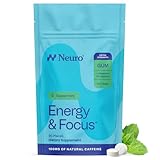
- Fast-Acting Nootropic - Our energy supplements deliver an extra boost of energy and clarity with a blend of natural caffeine, L-theanine, and vitamin b6 & b12. Your go-to chewing gum for work, exercise, and daily focus!
- Clean Energy - Each piece of our sugar free gum delivers 100mg of natural caffeine from green coffee beans for a smooth energy boost without crashes or jitters.
- The Perfect Balance - With 60mg of L-theanine per piece, our energy and focus formula promotes enhanced focus and stress reduction to smooth energy boosts.
- How to Use - Chew one piece of the caffeine gum whenever focus or energy is lacking. Ideal for mornings, pre-workout, or afternoon slumps. Effects typically kick in within minutes thanks to optimal absorption through the mouth.
- Made by Neuro, Backed by Science - At Neuro, we combine neuroscience with clean, science backed ingredients to help you do more, think better, and feel your best every single day.
Key Terms and Definitions
- Caffeine: A natural stimulant found in coffee beans, tea leaves, and cocoa beans that affects the central nervous system.
- Adenosine: A neurotransmitter in the brain that plays a role in sleep and relaxation; caffeine blocks its receptors.
- Stimulant: A substance that increases physiological or nervous activity, often leading to increased alertness and energy.
- Psychoactive: Affecting the mind or mental processes.
- Neurotransmitter: Chemical messengers that transmit signals from a neuron across a synapse to a target cell.
- Central Nervous System (CNS): The brain and spinal cord, which control most bodily functions.
- Tolerance: The body’s reduced response to a drug or substance after repeated use.
- Withdrawal: Unpleasant physical and mental symptoms that occur when a person stops taking a habitually used drug or substance.
- Dosage: The amount of a substance administered at one time.
- Metabolism: The chemical processes that occur within a living organism in order to maintain life.
How Coffee Affects Your Brain and Body
- Coffee contains caffeine, a naturally occurring stimulant.
- Caffeine’s primary mechanism involves blocking adenosine receptors in the brain.
- Adenosine is a neurotransmitter that signals tiredness and promotes relaxation.
- By blocking adenosine, caffeine prevents these signals, leading to increased alertness.
- This blockade also influences the release of other neurotransmitters like dopamine and norepinephrine.
- Dopamine is associated with pleasure and reward, contributing to a temporary mood lift.
- Norepinephrine increases heart rate and blood pressure, enhancing focus and energy.
- These combined effects create a feeling of wakefulness, improved concentration, and a sense of elevated mood.
- The brain’s response is a direct physiological reaction to the chemical properties of caffeine.
- This is distinct from the complex alterations in perception and cognition caused by psychoactive drugs.
What Affects the Coffee Experience
- Coffee Bean Type: Different beans (Arabica, Robusta) have varying caffeine levels and flavor profiles.
- Roast Level: Darker roasts generally have slightly less caffeine by volume than lighter roasts, though flavor compounds differ significantly.
- Grind Size: Finer grinds extract faster and can lead to over-extraction if not managed, affecting taste and perceived strength.
- Brewing Method: Methods like espresso, drip, French press, and pour-over all extract caffeine and flavor compounds differently.
- Water Temperature: Ideal brewing temperatures are typically between 195°F and 205°F; too cool or too hot can impact extraction.
- Brew Time: The duration coffee grounds are in contact with water influences how much caffeine and flavor is extracted.
- Coffee-to-Water Ratio: The proportion of coffee grounds to water is crucial for strength and flavor balance.
- Freshness of Beans: Stale beans lose volatile aromatic compounds and can result in a less vibrant, weaker cup.
- Grinding Freshness: Grinding beans just before brewing preserves the most flavor and aroma.
- Water Quality: Filtered water is recommended, as impurities can affect taste and extraction.
- Individual Sensitivity: People metabolize caffeine at different rates, leading to varied responses.
- Amount Consumed: The total quantity of coffee and thus caffeine ingested directly correlates with the intensity of the effects.
Pros, Cons, and When It Matters
- Pro: Increased Alertness: Can help combat fatigue and improve focus for tasks requiring concentration.
- Con: Anxiety and Jitters: Excessive caffeine can overstimulate the nervous system, leading to feelings of nervousness and shakiness.
- Pro: Mood Enhancement: The release of dopamine can provide a temporary lift in mood and a sense of well-being.
- Con: Sleep Disruption: Consuming coffee too close to bedtime can significantly interfere with sleep quality and duration.
- Pro: Improved Physical Performance: Caffeine is a known ergogenic aid that can enhance athletic performance.
- Con: Digestive Issues: For some individuals, coffee can cause stomach upset or heartburn.
- Pro: Antioxidant Properties: Coffee contains antioxidants that may offer some health benefits.
- Con: Dependence and Withdrawal: Regular high consumption can lead to physical dependence, with withdrawal symptoms like headaches and fatigue.
- Matters for Productivity: Moderate consumption can boost productivity, but too much can lead to distraction and errors.
- Matters for Social Situations: Coffee can be a social lubricant, but overconsumption might make one appear overly energetic or agitated.
- Matters for Health: For individuals with certain health conditions (e.g., anxiety disorders, heart issues), even moderate amounts might be problematic.
- Matters for Sleep: The timing of consumption is critical; early morning coffee is less likely to affect sleep than afternoon coffee.
Common Misconceptions
- Myth: Coffee makes you “high” like drugs. Reality: Coffee’s effects are physiological stimulation, not psychoactive alteration of perception.
- Myth: All coffee has the same amount of caffeine. Reality: Caffeine content varies by bean type, roast, brewing method, and serving size.
- Myth: Darker roasts have more caffeine. Reality: Lighter roasts typically have slightly more caffeine by weight, though the difference is often negligible.
- Myth: Coffee is dehydrating. Reality: While caffeine is a mild diuretic, moderate coffee consumption does not lead to dehydration.
- Myth: You can build instant tolerance to caffeine. Reality: Tolerance develops over time with consistent, high intake.
- Myth: Cold brew coffee has less caffeine. Reality: Cold brew often has a higher caffeine concentration due to a longer steep time and higher coffee-to-water ratio.
- Myth: Adding milk or sugar cancels out caffeine. Reality: These additions do not alter the caffeine content; they only affect taste.
- Myth: Coffee is inherently unhealthy. Reality: Moderate consumption is generally considered safe and may even offer some health benefits for most adults.
- Myth: Decaf coffee has zero caffeine. Reality: Decaffeinated coffee still contains a small amount of caffeine, though significantly reduced.
FAQ
Q: Can too much coffee make you feel “high”?
A: While coffee can make you feel energetic and uplifted due to caffeine, it’s a stimulant effect, not a psychoactive “high” like recreational drugs. Exceeding moderate amounts can lead to negative side effects like anxiety.
Q: How much caffeine is considered “too much”?
A: For most healthy adults, up to 400 milligrams of caffeine per day (about 4 cups of brewed coffee) is considered safe. Consuming more can increase the risk of side effects.
Q: What are the symptoms of having too much coffee?
A: Symptoms can include jitters, anxiety, rapid heart rate, insomnia, digestive upset, and headaches. These are signs of overstimulation.
Q: Does everyone react to coffee the same way?
A: No, individual sensitivity to caffeine varies greatly. Factors like genetics, body weight, and regular consumption habits influence how you experience coffee.
Q: Can coffee improve my mood?
A: Yes, caffeine can temporarily boost mood by influencing neurotransmitters like dopamine, leading to feelings of pleasure and well-being. This is a mild effect, not a euphoric high.
Q: Is the “high” from coffee addictive?
A: The feeling of alertness and well-being from coffee can lead to a psychological dependence, and regular high consumption can cause physical dependence, leading to withdrawal symptoms if stopped. However, it’s not typically considered addictive in the same way as substances that cause intense euphoria.
Q: How long does the effect of coffee last?
A: The effects of caffeine typically peak within 30-60 minutes and can last for several hours, with a half-life of about 5 hours in the body. This means half the caffeine is eliminated after that time.
Q: Can I drink coffee if I have anxiety?
A: If you have anxiety, it’s often recommended to limit or avoid caffeine, as it can exacerbate symptoms like nervousness, jitters, and a racing heart. Consult with a healthcare professional.
What This Page Does Not Cover (and Where to Go Next)
- Specific caffeine content of branded coffee products. (Check product packaging or manufacturer websites.)
- Detailed health benefits or risks associated with coffee consumption. (Consult health resources or medical professionals.)
- Recipes for specific coffee drinks or brewing techniques. (Explore coffee blogs and culinary sites.)
- Comparisons of different coffee maker models. (Look for reviews focused on coffee equipment.)
- The history of coffee cultivation and trade. (Research historical and agricultural resources.)