
Improving Concentration: The Coffee Connection
Quick answer
- Coffee’s caffeine is a known stimulant.
- It can temporarily boost alertness and focus.
- For many, this translates to better concentration on tasks.
- However, effects vary person to person.
- Too much caffeine can backfire, causing jitters and distraction.
- It’s a tool, not a magic bullet for focus.
Key terms and definitions
- Caffeine: The primary psychoactive compound in coffee. It blocks adenosine, a neurotransmitter that makes you feel tired.
- Adenosine: A brain chemical that promotes sleepiness and relaxation. Caffeine’s job is to keep it from binding to its receptors.
- Stimulant: A substance that increases the activity of the central nervous system. Think alertness, faster thinking.
- Neurotransmitter: Chemical messengers in the brain that transmit signals between nerve cells.
- Dopamine: A neurotransmitter associated with pleasure, motivation, and reward. Caffeine can indirectly boost dopamine levels.
- Alertness: The state of being aware and responsive to your surroundings.
- Cognitive Function: Mental processes like thinking, learning, remembering, and problem-solving.
- Tolerance: When your body gets used to a substance, requiring more to get the same effect. This can happen with caffeine.
- Withdrawal: Symptoms like headaches or fatigue that can occur when you stop consuming a substance you’re dependent on.
- Placebo Effect: When a person experiences a benefit from a treatment that has no therapeutic effect, simply because they believe it will work.
How it works
- When you drink coffee, caffeine enters your bloodstream.
- It travels to your brain.
- There, it blocks adenosine receptors.
- This prevents adenosine from making you feel drowsy.
- Your brain then releases other neurotransmitters like dopamine and norepinephrine.
- These make you feel more awake and alert.
- This increased neural activity can sharpen focus.
- It can also improve reaction times.
- Basically, it puts your brain in a higher gear for a bit.
What affects the result
- Caffeine Content: Different beans and brewing methods yield varying caffeine levels. Darker roasts can have slightly less caffeine than lighter ones, contrary to popular belief.
- Your Personal Sensitivity: Some folks are wired to handle caffeine like a champ. Others get jittery from a single sip. Genetics play a big role here.
- Dosage: How much coffee you drink matters. A small cup might give you a nice nudge. A giant mug could send you over the edge.
- Time of Day: Caffeine’s effects can interfere with sleep if consumed too late. That afternoon slump might be tempting, but consider the bedtime.
- Hydration: Being dehydrated can make you feel tired. Coffee is mostly water, but it’s a mild diuretic. Stay hydrated overall.
- Food Intake: Having food in your stomach can slow caffeine absorption. Drinking on an empty stomach means a faster kick.
- Sleep Quality: If you’re already running on fumes, coffee might just mask the exhaustion. It won’t replace good sleep.
- Brewing Method: Espresso, drip, pour-over – they all extract caffeine differently. Espresso packs a punch in a small volume.
- Freshness of Beans: Stale beans lose some of their aromatic oils, which can affect the overall experience and perceived effect.
- Your Current Task: Coffee might help with rote tasks or sustained attention. For creative problem-solving, it’s a mixed bag.
- Other Stimulants: If you’re already amped up on something else, adding caffeine might not help and could even be counterproductive.
- Your Mood: If you’re already stressed, caffeine can sometimes amplify that feeling.
Pros, cons, and when it matters
- Pro: Enhanced alertness. Great for those early mornings or late-night projects.
- Con: Jitters and anxiety. Too much can make you feel wired and unable to focus.
- Pro: Improved short-term memory. Helps you recall details for a bit.
- Con: Sleep disruption. Drinking coffee too late can mess with your sleep cycle.
- Pro: Boosted mood. The ritual and taste can be a pick-me-up.
- Con: Tolerance build-up. You might need more coffee over time for the same effect.
- Pro: Increased physical performance. Some athletes use it for a competitive edge.
- Con: Potential for dependence. Skipping your usual cup can lead to headaches.
- Pro: Sharpened focus on specific tasks. Good for detailed work.
- Con: Can exacerbate existing anxiety disorders. If you’re prone to worry, be mindful.
- Pro: It’s readily available and relatively inexpensive. A daily ritual for many.
- Con: Can lead to stomach upset for some individuals.
- When it matters: During long drives, intense study sessions, or when facing a deadline.
- When it matters less: When you need calm, creative thinking or are trying to wind down for sleep.
Common misconceptions
- Myth: Dark roast coffee has more caffeine. Actually, lighter roasts often have slightly more. The roasting process burns off some caffeine.
- Myth: Coffee makes you smarter. It enhances existing cognitive abilities temporarily, but doesn’t create new intelligence.
- Myth: You need coffee to be productive. Many people are highly productive without it, or with other methods.
- Myth: Coffee cures fatigue. It masks fatigue by blocking adenosine, but doesn’t address the underlying cause. You still need rest.
- Myth: Any coffee will do. The type of bean, roast, and brew method all impact the caffeine and flavor.
- Myth: Coffee is bad for your brain. In moderation, it’s generally considered safe and may even have long-term benefits.
- Myth: You can’t build tolerance to caffeine. You absolutely can. That’s why some people need multiple cups to feel anything.
- Myth: Coffee is dehydrating. While it’s a mild diuretic, the water content in coffee largely offsets this effect for most regular drinkers.
- Myth: Coffee is a healthy breakfast. It’s a beverage. A balanced breakfast is crucial for sustained energy.
- Myth: Cold brew has less caffeine. Often, it has more due to the higher coffee-to-water ratio and longer brew time.
FAQ
Does coffee make you concentrate better?
For many people, yes. The caffeine in coffee acts as a stimulant, temporarily increasing alertness and focus, which can improve concentration on tasks.
How quickly does coffee start working?
You’ll typically feel the effects of caffeine within 15 to 45 minutes after drinking it, as it gets absorbed into your bloodstream and reaches your brain.
How much coffee is too much for concentration?
This varies by individual, but exceeding 400 milligrams of caffeine daily (about 4 cups of brewed coffee) can lead to jitters, anxiety, and decreased focus for many.
Can coffee help with long-term concentration?
Coffee primarily offers short-term boosts. For sustained concentration, good sleep, diet, and stress management are more critical.
What if coffee makes me feel more anxious instead of focused?
If you experience anxiety or jitters, you might be sensitive to caffeine. Try reducing your intake, opting for decaf, or switching to a less caffeinated beverage.
Does the type of coffee matter for concentration?
Yes, different beans and brewing methods have varying caffeine levels. Espresso, for example, delivers a quick, strong dose.
Is it okay to drink coffee before a big meeting or exam?
It can be helpful for some to feel more alert and focused. However, be mindful of your personal tolerance and avoid overdoing it to prevent jitters.
What are the downsides of relying on coffee for concentration?
Over-reliance can lead to tolerance, withdrawal symptoms like headaches, and disrupted sleep patterns, which ultimately hurt concentration.
Can I build up a tolerance to the concentration effects of coffee?
Absolutely. Regular consumption can lead to tolerance, meaning you’ll need more caffeine to achieve the same level of alertness and focus.
Are there alternatives to coffee for boosting concentration?
Yes, things like green tea (which has L-theanine for calm focus), adequate sleep, hydration, and short breaks can also significantly improve concentration.
If you’re looking for alternatives to coffee, consider caffeine supplements for a controlled boost without the jitters.
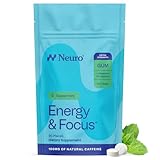
- Fast-Acting Nootropic - Our energy supplements deliver an extra boost of energy and clarity with a blend of natural caffeine, L-theanine, and vitamin b6 & b12. Your go-to chewing gum for work, exercise, and daily focus!
- Clean Energy - Each piece of our sugar free gum delivers 100mg of natural caffeine from green coffee beans for a smooth energy boost without crashes or jitters.
- The Perfect Balance - With 60mg of L-theanine per piece, our energy and focus formula promotes enhanced focus and stress reduction to smooth energy boosts.
- How to Use - Chew one piece of the caffeine gum whenever focus or energy is lacking. Ideal for mornings, pre-workout, or afternoon slumps. Effects typically kick in within minutes thanks to optimal absorption through the mouth.
- Made by Neuro, Backed by Science - At Neuro, we combine neuroscience with clean, science backed ingredients to help you do more, think better, and feel your best every single day.
What this page does NOT cover (and where to go next)
- Specific caffeine content of every single coffee product on the market. (Check product labels or brand websites for details.)
- Medical advice on caffeine consumption or its effects on specific health conditions. (Consult a healthcare professional.)
- Detailed brewing guides for every coffee maker. (Refer to your brewer’s manual or manufacturer’s website.)
- The neuroscience behind every neurotransmitter interaction. (Explore advanced neuroscience resources.)
- Recipes for coffee-based drinks. (Look for culinary or mixology resources.)