
The Impact Of Coffee On Concentration And Studying
Quick answer
- Coffee can boost alertness and focus, which may help with studying.
- Caffeine, the main active ingredient, is a stimulant.
- It works by blocking adenosine, a neurotransmitter that makes you feel tired.
- For some, too much coffee can lead to jitters and anxiety, hurting concentration.
- The effect varies greatly from person to person.
- Timing and dosage are key to getting the most out of it for studying.
Key terms and definitions
- Caffeine: The primary psychoactive compound in coffee, known for its stimulant effects.
- Adenosine: A neurotransmitter that builds up in your brain throughout the day, promoting relaxation and sleepiness.
- Stimulant: A substance that raises levels of physiological or nervous system activity.
- Neurotransmitter: A chemical messenger that transmits signals from a neuron across a synapse to a target cell.
- Blood-Brain Barrier: A protective layer of cells that shields the brain from harmful substances in the bloodstream.
- Half-life: The time it takes for the amount of a substance (like caffeine) in the body to reduce by half.
- Tolerance: The body’s reduced response to a drug after repeated use, requiring higher doses for the same effect.
- Withdrawal: The set of symptoms that occur when a person stops taking a substance to which they have become dependent.
- Cognitive Function: Mental processes such as attention, memory, learning, and problem-solving.
- Placebo Effect: A beneficial effect produced by a placebo drug or treatment, which cannot be attributed to the properties of the placebo itself, and must therefore be due to the patient’s belief in that treatment.
How it works
- Coffee contains caffeine, a natural stimulant.
- Caffeine crosses the blood-brain barrier pretty fast.
- It then blocks adenosine receptors in your brain.
- Adenosine normally signals your brain to slow down and feel tired.
- By blocking adenosine, caffeine keeps you feeling more alert.
- This can also increase the release of other neurotransmitters like dopamine and norepinephrine.
- These chemicals can enhance mood, attention, and reaction time.
- So, you feel more awake and ready to tackle that textbook.
- It’s like a gentle nudge for your brain to stay on task.
- This is why many reach for coffee when they need to focus.
If coffee isn’t your preferred method, caffeine supplements can offer a similar boost to alertness and focus, helping you stay on task.
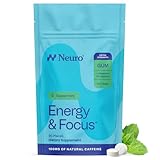
- Fast-Acting Nootropic - Our energy supplements deliver an extra boost of energy and clarity with a blend of natural caffeine, L-theanine, and vitamin b6 & b12. Your go-to chewing gum for work, exercise, and daily focus!
- Clean Energy - Each piece of our sugar free gum delivers 100mg of natural caffeine from green coffee beans for a smooth energy boost without crashes or jitters.
- The Perfect Balance - With 60mg of L-theanine per piece, our energy and focus formula promotes enhanced focus and stress reduction to smooth energy boosts.
- How to Use - Chew one piece of the caffeine gum whenever focus or energy is lacking. Ideal for mornings, pre-workout, or afternoon slumps. Effects typically kick in within minutes thanks to optimal absorption through the mouth.
- Made by Neuro, Backed by Science - At Neuro, we combine neuroscience with clean, science backed ingredients to help you do more, think better, and feel your best every single day.
What affects the result
- Coffee Bean Type: Different beans have varying caffeine levels. Robusta beans generally have more caffeine than Arabica.
- Roast Level: Lighter roasts tend to retain more caffeine than darker roasts, though the difference isn’t always huge.
- Brewing Method: How you brew your coffee matters. Espresso has high caffeine per ounce, but you drink less. Drip coffee has less per ounce, but you drink more.
- Grind Size: Finer grinds extract caffeine and flavor more quickly.
- Brewing Time: Longer contact time between water and grounds can lead to more caffeine extraction.
- Water Temperature: Ideal brewing temperatures (around 195-205°F) maximize extraction without burning the coffee.
- Coffee-to-Water Ratio: More coffee grounds for the same amount of water means a stronger, more caffeinated brew.
- Your Individual Sensitivity: Genetics play a big role in how quickly you metabolize caffeine.
- Tolerance: Regular coffee drinkers might need more to feel the same effect.
- Time of Day: Drinking coffee too late can mess with your sleep, which is crucial for studying.
- Hydration: Being dehydrated can make you feel sluggish, and coffee can be a diuretic.
- Food Intake: Having food in your stomach can slow caffeine absorption.
Pros, cons, and when it matters
- Pro: Increased Alertness: Coffee can make you feel more awake and less prone to nodding off during long study sessions.
- Con: Jitters and Anxiety: Too much caffeine can lead to shakiness, nervousness, and racing thoughts, which are terrible for concentration.
- Pro: Improved Focus: For many, coffee helps sharpen attention and makes it easier to concentrate on complex material.
- Con: Sleep Disruption: Drinking coffee too close to bedtime can make it hard to fall asleep, hurting overall learning and memory.
- Pro: Enhanced Mood: The boost in dopamine can make studying feel less like a chore.
- Con: Dependency and Withdrawal: Regular use can lead to headaches and fatigue if you skip your usual dose.
- Pro: Quick Effect: You usually feel the effects of coffee within 15-45 minutes.
- Con: Diminishing Returns: Once you build tolerance, the cognitive benefits might decrease.
- Pro: Accessibility: Coffee is widely available and relatively inexpensive.
- Con: Digestive Issues: Some people experience stomach upset from coffee.
- When it matters: Crucial for late-night cramming before exams or early morning review sessions.
- When it matters less: If you’re already well-rested and focused, coffee might not add much and could even be disruptive.
Common misconceptions
- Myth: Coffee makes you smarter. Coffee boosts alertness and focus, but it doesn’t magically increase your intelligence or learning capacity.
- Myth: All coffee has the same amount of caffeine. Caffeine content varies wildly based on bean type, roast, and brewing method.
- Myth: You need coffee to study effectively. Many people can study well without any caffeine, relying on good sleep and study habits.
- Myth: Dark roast coffee has more caffeine. Actually, lighter roasts often retain more caffeine because they’re roasted for less time.
- Myth: Coffee instantly cures fatigue. While it masks tiredness by blocking adenosine, it doesn’t eliminate the underlying need for rest.
- Myth: More coffee equals more studying. Overdoing it leads to diminishing returns and negative side effects that hinder concentration.
- Myth: Caffeine affects everyone the same way. Individual genetics, tolerance, and metabolism mean reactions vary a lot.
- Myth: Coffee is bad for your brain. In moderation, caffeine can have neuroprotective effects, but excessive amounts can be detrimental.
- Myth: You can power through any study slump with coffee. Sometimes, a break and some fresh air are far more effective than another cup.
- Myth: Espresso shots are the most caffeinated. While potent per ounce, the small serving size means a typical drip coffee might deliver more total caffeine.
FAQ
Does coffee actually help with concentration for studying?
Yes, for many people, coffee can improve alertness and focus, making it easier to concentrate on study material. The caffeine acts as a stimulant, blocking adenosine which makes you feel tired.
How much coffee is too much when trying to study?
This varies by person, but generally, more than 400 milligrams of caffeine a day (about 4 cups of brewed coffee) can lead to negative effects like jitters and anxiety, which will hurt your studying.
Can coffee improve memory recall for studying?
Some research suggests caffeine might enhance memory consolidation, especially for short-term tasks. However, it’s not a magic bullet for long-term retention.
What’s the best time to drink coffee for studying?
It’s usually best to drink coffee about 30-60 minutes before you plan to study. Avoid it within 6-8 hours of bedtime to prevent sleep disruption.
Will coffee help me stay awake during a long study session?
Yes, caffeine is effective at increasing alertness and reducing feelings of fatigue, which can help you stay engaged during extended study periods.
What if coffee makes me feel anxious instead of focused?
If coffee causes anxiety or jitters, it’s likely not helping your concentration. Try reducing your intake, switching to decaf, or exploring other focus aids.
Does drinking coffee before an exam help?
It might help you feel more alert and focused during the exam, but it’s not a substitute for proper preparation. Don’t rely on it to cram.
Is there a difference between coffee and other caffeinated drinks for studying?
Coffee offers a unique blend of caffeine and other compounds that many find beneficial for focus. Other drinks might have added sugars or artificial ingredients that can cause energy crashes.
Can I build up a tolerance to coffee’s effects on studying?
Absolutely. If you drink coffee daily, your body can build a tolerance, meaning you might need more to achieve the same level of alertness and focus.
What this page does NOT cover (and where to go next)
- Specific brewing recipes for optimal caffeine extraction. (Look for guides on brewing techniques.)
- Detailed scientific research on caffeine’s effects on specific cognitive functions. (Explore academic literature on psychopharmacology.)
- Recommendations for specific coffee brands or types. (Check coffee enthusiast forums and reviews.)
- Advice on managing caffeine withdrawal symptoms. (Consult health resources for managing dependency.)
- Alternative methods for improving concentration besides caffeine. (Research productivity techniques and sleep hygiene.)