
Coffee’s Role In Alertness And Wakefulness
Quick answer
- Coffee’s primary wake-up agent is caffeine.
- Caffeine blocks adenosine, a neurotransmitter that makes you feel tired.
- The effect kicks in relatively fast, usually within 15-45 minutes.
- How long it lasts varies, but typically a few hours.
- It’s not a replacement for sleep, just a temporary boost.
- Individual sensitivity to caffeine really matters.
Key terms and definitions
- Caffeine: The natural stimulant found in coffee beans, tea leaves, and cacao. It’s the main reason coffee helps with wakefulness.
- Adenosine: A chemical in your brain that builds up throughout the day. It binds to receptors and signals your body to slow down and feel sleepy.
- Receptors: Tiny docking stations in your brain cells. Adenosine docks here to signal tiredness.
- Stimulant: A substance that increases the activity of the central nervous system, leading to increased alertness and energy.
- Metabolism: The chemical processes in your body that convert food and drink into energy. Caffeine’s metabolism determines how long it stays in your system.
- Half-life: The time it takes for the amount of a substance (like caffeine) in your body to be reduced by half.
- Central Nervous System (CNS): Your brain and spinal cord. Caffeine’s effects are primarily on the CNS.
- Neurotransmitter: Chemical messengers that nerve cells use to communicate with each other. Adenosine is one of them.
- Tolerance: When your body gets used to a substance, requiring more of it to get the same effect.
How it works
- Coffee beans contain caffeine. When brewed, this caffeine dissolves into the water.
- When you drink coffee, the caffeine is absorbed into your bloodstream.
- From your bloodstream, caffeine travels to your brain.
- In the brain, caffeine molecules look a lot like adenosine.
- Caffeine fits into the adenosine receptors, blocking adenosine from binding.
- Since adenosine can’t dock, it can’t signal your brain to slow down.
- This blockage leads to increased activity in your brain.
- Your brain then releases other neurotransmitters like dopamine and norepinephrine.
- These chemicals further enhance alertness, mood, and focus.
- This whole process is why you feel less sleepy after a cup.
If you’re looking for a more controlled dose of caffeine without the coffee, caffeine supplements can offer a similar alertness boost. They work by delivering caffeine directly to your system, much like coffee does.
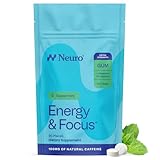
- Fast-Acting Nootropic - Our energy supplements deliver an extra boost of energy and clarity with a blend of natural caffeine, L-theanine, and vitamin b6 & b12. Your go-to chewing gum for work, exercise, and daily focus!
- Clean Energy - Each piece of our sugar free gum delivers 100mg of natural caffeine from green coffee beans for a smooth energy boost without crashes or jitters.
- The Perfect Balance - With 60mg of L-theanine per piece, our energy and focus formula promotes enhanced focus and stress reduction to smooth energy boosts.
- How to Use - Chew one piece of the caffeine gum whenever focus or energy is lacking. Ideal for mornings, pre-workout, or afternoon slumps. Effects typically kick in within minutes thanks to optimal absorption through the mouth.
- Made by Neuro, Backed by Science - At Neuro, we combine neuroscience with clean, science backed ingredients to help you do more, think better, and feel your best every single day.
What affects the result
- Caffeine Content: Different coffee beans and brewing methods yield varying amounts of caffeine. A dark roast might have less caffeine than a light roast, contrary to popular belief.
- Grind Size: Finer grinds extract caffeine more quickly, potentially leading to a stronger initial hit.
- Brewing Time: Longer contact between water and coffee grounds generally means more caffeine extraction. Espresso, with its short brew time but high pressure and fine grind, is a bit of an outlier.
- Water Temperature: Optimal brewing temperatures (around 195-205°F) extract caffeine efficiently. Too cool, and you won’t get much; too hot, and you can scorch the grounds.
- Coffee-to-Water Ratio: Using more coffee grounds relative to water means a more concentrated brew, thus more caffeine per serving.
- Freshness of Beans: While freshness impacts flavor significantly, its effect on caffeine is less pronounced than other factors. Stale beans still have caffeine.
- Your Body Weight: Generally, a larger person might require more caffeine to feel the same effect as a smaller person.
- Metabolism Rate: How quickly your liver processes caffeine influences how long its effects last. This varies person to person.
- Genetics: Some people are genetically predisposed to metabolize caffeine faster or slower. This is a big one.
- Tolerance: Regular coffee drinkers often develop a tolerance, meaning they need more caffeine to achieve the same level of alertness.
- Other Food/Drink: Consuming caffeine on an empty stomach might lead to a faster absorption.
- Medications: Certain medications can affect how your body processes caffeine. Always check with your doctor if you’re unsure.
Pros, cons, and when it matters
- Pro: Quick alertness boost. Great for that morning grogginess or mid-afternoon slump.
- Con: Can lead to jitters and anxiety. Too much caffeine isn’t fun for anyone.
- Pro: Improved focus and concentration. Helpful for demanding tasks or studying.
- Con: Can disrupt sleep. Drinking coffee too late can mess with your natural sleep cycle.
- Pro: Enhanced physical performance. Athletes often use caffeine for an edge.
- Con: Potential for dependency. You might feel like you need it to function.
- Pro: Mood enhancement. For many, coffee just makes them feel good.
- Con: Digestive issues. Some folks get an upset stomach from coffee.
- Pro: It’s readily available and relatively inexpensive. Most of us can grab a cup easily.
- Con: Not a substitute for sleep. It masks fatigue, it doesn’t cure it.
- Pro: Can be part of a pleasant ritual. The whole brewing process is a vibe.
- Con: Withdrawal symptoms. Skipping coffee after regular use can cause headaches and irritability.
- When it matters: Early mornings, long drives, late-night work sessions, pre-workout.
- When it doesn’t: When you’re already well-rested, or if you’re sensitive to its side effects.
Common misconceptions
- Myth: Dark roast coffee has more caffeine than light roast. Truth: Light roasts often have slightly more caffeine because the beans are less dense.
- Myth: Espresso has more caffeine than drip coffee. Truth: A shot of espresso has less caffeine than a standard cup of drip coffee, but it’s more concentrated.
- Myth: Caffeine is dehydrating. Truth: While it has a mild diuretic effect, the water in coffee largely offsets this for moderate consumption.
- Myth: You can build up a tolerance to all of caffeine’s effects. Truth: Tolerance mainly develops for the stimulant effects, not necessarily for sleep disruption.
- Myth: Decaf coffee has zero caffeine. Truth: Decaf coffee still contains a small amount of caffeine, usually around 2-5 mg per cup.
- Myth: Caffeine is addictive like hard drugs. Truth: Caffeine dependence is real, but it’s generally considered less severe and easier to overcome than addiction to harder substances.
- Myth: Coffee is unhealthy. Truth: Moderate coffee consumption is linked to several health benefits, not just alertness.
- Myth: The “crash” is from caffeine leaving your system. Truth: The crash is often due to a rebound effect as your brain adjusts after caffeine wears off, and sometimes a drop in blood sugar.
- Myth: Drinking coffee before bed won’t affect you if you’re tired enough. Truth: Caffeine can still disrupt sleep architecture even if you manage to fall asleep.
FAQ
Does coffee make you not sleepy?
Yes, caffeine in coffee blocks adenosine, a chemical that signals sleepiness, making you feel more awake and alert.
How quickly does coffee work to make me less sleepy?
Typically, you’ll start feeling the effects within 15 to 45 minutes after drinking coffee.
How long does the wakefulness from coffee last?
The duration varies, but the peak effects usually last for a few hours, with caffeine still in your system for longer.
Can I drink coffee and still get good sleep?
It depends on your sensitivity and when you drink it. Avoid coffee in the late afternoon and evening to minimize sleep disruption.
Is it bad to rely on coffee to stay awake?
While it’s a useful tool, over-reliance can lead to dependency and mask underlying issues like poor sleep hygiene.
What’s the best way to brew coffee for maximum alertness?
Brewing methods that allow for good extraction, like a pour-over or a well-made drip coffee, using fresh beans and the right temperature, are effective.
Does caffeine affect everyone the same way?
No, individual responses vary greatly due to genetics, metabolism, and tolerance levels.
What happens if I drink too much coffee?
You might experience jitters, anxiety, a rapid heartbeat, and difficulty sleeping.
What this page does NOT cover (and where to go next)
- Detailed comparisons of specific coffee brewing machines.
- The exact chemical compounds in coffee beyond caffeine and their effects.
- Advanced brewing techniques for specific flavor profiles.
- The history of coffee cultivation and its global impact.
- Recipes for coffee-based drinks beyond simple brewing.