
How Coffee Boosts Your Energy Levels
Quick answer
- Coffee’s energy boost comes from caffeine, a natural stimulant.
- Caffeine blocks adenosine, a neurotransmitter that makes you feel tired.
- This blockage increases alertness and reduces perceived fatigue.
- The effect usually kicks in 15-45 minutes after drinking.
- How much it boosts you depends on your tolerance and the dose.
- It’s a temporary fix, not a replacement for good sleep.
If you’re looking for a more controlled dose of caffeine without the coffee, consider exploring caffeine supplements.
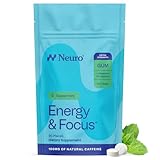
- Fast-Acting Nootropic - Our energy supplements deliver an extra boost of energy and clarity with a blend of natural caffeine, L-theanine, and vitamin b6 & b12. Your go-to chewing gum for work, exercise, and daily focus!
- Clean Energy - Each piece of our sugar free gum delivers 100mg of natural caffeine from green coffee beans for a smooth energy boost without crashes or jitters.
- The Perfect Balance - With 60mg of L-theanine per piece, our energy and focus formula promotes enhanced focus and stress reduction to smooth energy boosts.
- How to Use - Chew one piece of the caffeine gum whenever focus or energy is lacking. Ideal for mornings, pre-workout, or afternoon slumps. Effects typically kick in within minutes thanks to optimal absorption through the mouth.
- Made by Neuro, Backed by Science - At Neuro, we combine neuroscience with clean, science backed ingredients to help you do more, think better, and feel your best every single day.
Key terms and definitions
- Caffeine: The primary psychoactive compound in coffee, known for its stimulant effects.
- Adenosine: A neurotransmitter in your brain that promotes relaxation and sleepiness.
- Stimulant: A substance that increases activity in the central nervous system, leading to increased alertness and energy.
- Neurotransmitter: A chemical messenger that transmits signals from a neuron across a synapse to a target cell.
- Tolerance: The reduced response to a drug after repeated use, meaning you need more of it to achieve the same effect.
- Withdrawal: Unpleasant physical or psychological symptoms that occur when a person stops taking a substance they have become dependent on.
- Alertness: The state of being aware of and responsive to one’s surroundings.
- Fatigue: Extreme tiredness, typically resulting from mental or physical exertion or illness.
- Metabolism: The chemical processes that occur within a living organism in order to maintain life.
- Dopamine: A neurotransmitter associated with pleasure, motivation, and reward.
How Coffee Boosts Your Energy Levels
- Coffee contains caffeine, a naturally occurring stimulant.
- When you drink coffee, caffeine enters your bloodstream and travels to your brain.
- In the brain, caffeine molecules are shaped similarly to adenosine.
- Adenosine is a neurotransmitter that binds to receptors, making you feel drowsy.
- Caffeine acts like a Trojan horse, blocking adenosine from binding to its receptors.
- With adenosine blocked, other neurotransmitters like dopamine and norepinephrine can increase.
- This increase in dopamine and norepinephrine leads to enhanced alertness and focus.
- It also reduces the perception of fatigue, making you feel more awake.
- The effects typically start within 15 to 45 minutes.
- Your body metabolizes caffeine, and the effects wear off over a few hours.
What affects the result
- Caffeine Content: Different beans and brewing methods yield varying caffeine levels. A dark roast might have less caffeine than a light roast, contrary to popular belief.
- Brewing Method: Espresso, for example, uses pressure and less water for a concentrated shot, while a drip coffee uses more water over time.
- Grind Size: Finer grinds extract caffeine and flavor more quickly, but can also lead to over-extraction if not managed.
- Water Temperature: Too hot can scorch the grounds, too cool won’t extract efficiently. Around 195-205°F is generally recommended.
- Brew Time: Longer contact time between water and coffee grounds can increase extraction, including caffeine.
- Coffee Bean Type: Robusta beans generally have about twice the caffeine of Arabica beans.
- Freshness of Beans: Stale beans lose volatile compounds, affecting flavor and potentially extraction efficiency.
- Your Personal Tolerance: Regular coffee drinkers develop a tolerance, needing more to feel the same jolt.
- Amount Consumed: Obviously, drinking more coffee means consuming more caffeine.
- Your Body Weight and Metabolism: These factors influence how quickly your body processes caffeine.
- Other Medications or Substances: Some things can interact with how your body handles caffeine.
- Hydration Levels: Being dehydrated can sometimes amplify the effects of stimulants.
Pros, cons, and when it matters
- Pro: Quick energy boost for tasks requiring focus. Great for that morning slump.
- Con: Can lead to jitters and anxiety in sensitive individuals or with high doses.
- Pro: Improved alertness and reaction time. Useful for long drives or demanding work.
- Con: Can disrupt sleep patterns if consumed too late in the day.
- Pro: May enhance physical performance. Athletes often use it.
- Con: Potential for caffeine withdrawal symptoms like headaches and fatigue.
- Pro: Can improve mood and combat feelings of depression.
- Con: Tolerance builds up, diminishing the effect over time.
- Pro: Rich in antioxidants. Good for you in moderation.
- Con: Can cause digestive issues for some people.
- Pro: A ritual that many find enjoyable and grounding.
- Con: Can mask underlying fatigue, leading to burnout if not managed.
- Pro: Low in calories if consumed black.
- Con: Adds significant calories and sugar if loaded with cream and sweeteners.
- Pro: Relatively inexpensive way to get a mental pick-me-up.
- Con: Can lead to dependence, making it hard to function without it.
- Pro: It just tastes good. Seriously, a good cup of coffee is a mood enhancer on its own.
- Con: May exacerbate certain medical conditions, like high blood pressure or GERD.
Common misconceptions
- Myth: Dark roast coffee has more caffeine than light roast.
- Reality: Lighter roasts generally have slightly more caffeine by weight.
- Myth: Espresso shots give you the biggest caffeine kick.
- Reality: While concentrated, the serving size is small. A large drip coffee often has more total caffeine.
- Myth: Coffee makes you dehydrated.
- Reality: While it has a mild diuretic effect, for regular consumers, the fluid intake from coffee usually offsets this.
- Myth: You need to drink coffee first thing in the morning.
- Reality: Your body’s cortisol levels are naturally high in the morning. Waiting a bit might be more effective.
- Myth: Coffee is bad for your heart.
- Reality: For most healthy adults, moderate coffee consumption is not linked to increased heart disease risk. Check with your doctor if you have concerns.
- Myth: You can “out-caffeine” a lack of sleep.
- Reality: Caffeine can mask fatigue but doesn’t replace the restorative benefits of sleep.
- Myth: The more jittery you feel, the more energy you’re getting.
- Reality: Jitters are often a sign of overstimulation, not necessarily productive energy.
- Myth: Coffee energy boost lasts all day.
- Reality: The effects are temporary and usually peak within a few hours.
- Myth: Cold brew coffee has less caffeine.
- Reality: Cold brew is often highly concentrated and can have more caffeine than hot brewed coffee, depending on the ratio.
- Myth: Adding milk or cream cancels out the caffeine.
- Reality: Dairy or non-dairy additions don’t affect the caffeine content.
FAQ
- Can I become addicted to coffee?
Yes, you can develop a physical dependence on caffeine. This can lead to withdrawal symptoms if you stop suddenly. It’s more about dependence than addiction in the typical sense.
- How long does the energy boost from coffee last?
The effects typically last for 3 to 5 hours, though this varies greatly depending on individual metabolism and tolerance.
- Is it bad to drink coffee every day?
For most healthy adults, moderate daily consumption (up to 400 mg of caffeine, about 4 cups of brewed coffee) is generally considered safe and may even have health benefits.
- Can coffee help me lose weight?
Caffeine can temporarily boost your metabolism and increase fat burning. However, its effect on weight loss is usually modest and not a magic bullet.
- What happens if I drink too much coffee?
Drinking too much caffeine can lead to anxiety, insomnia, rapid heart rate, digestive issues, and headaches. It’s best to listen to your body.
- Does coffee affect my mood?
Yes, caffeine can temporarily improve mood, increase feelings of well-being, and enhance sociability by affecting neurotransmitters like dopamine.
- Can I drink coffee if I have anxiety?
Caffeine is a stimulant and can worsen anxiety symptoms in some people. If you’re prone to anxiety, you might want to limit your intake or opt for decaf.
- Will coffee make me more productive?
It can, by increasing alertness and focus. However, relying solely on coffee for productivity can lead to burnout if not balanced with rest.
- Is decaf coffee completely caffeine-free?
No. Decaffeinated coffee still contains a small amount of caffeine, usually around 2-15 mg per cup, compared to 95 mg in a typical cup of regular coffee.
- When is the best time to drink coffee for energy?
Many suggest waiting 1-2 hours after waking up, as your body’s natural cortisol levels are highest then. Experiment to see what works best for you.
What this page does NOT cover (and where to go next)
- Specific caffeine content of every single coffee bean or brewing method. (Research specific brands or brew guides).
- Detailed health advice for individuals with pre-existing medical conditions. (Consult your doctor).
- The science behind coffee’s long-term health benefits or risks. (Look for nutritional science resources).
- How to troubleshoot specific brewing equipment issues. (Check your brewer’s manual or manufacturer support).
- The history of coffee cultivation and trade. (Explore historical or agricultural texts).