
Can Coffee Make You Feel Drunk?
Quick answer
- No, coffee itself doesn’t contain alcohol, so it can’t make you drunk in the traditional sense.
- The “buzz” from coffee comes from caffeine, a stimulant, not alcohol.
- Caffeine can affect your mood and energy levels, sometimes mimicking certain feelings associated with being tipsy.
- However, these effects are purely neurological and don’t involve intoxication.
- If you’re feeling “drunk” after coffee, it might be due to overconsumption or other factors.
Key terms and definitions
- Alcohol: A depressant drug that affects the central nervous system, leading to intoxication.
- Caffeine: A natural stimulant found in coffee, tea, and other plants. It blocks adenosine, a neurotransmitter that makes you feel tired.
- Stimulant: A substance that increases activity in the brain and central nervous system.
- Depressant: A substance that reduces the activity of the central nervous system.
- Intoxication: A state of being poisoned or impaired by a substance, typically alcohol.
- Adenosine: A chemical in your brain that signals tiredness and relaxation. Caffeine blocks this.
- Neurological Effects: Changes or impacts on the nervous system and brain function.
- Jitters: A common side effect of too much caffeine, characterized by nervousness and trembling.
- Anxiety: A feeling of worry, nervousness, or unease, typically about an imminent event or something with an uncertain outcome.
- Placebo Effect: A beneficial effect produced by a placebo drug or treatment, which cannot be attributed to the properties of the placebo itself, and must therefore be assumed to be the result of the patient’s belief in that treatment.
How coffee brewing works
- Coffee brewing is essentially an extraction process.
- Hot water is used to dissolve soluble compounds from roasted coffee grounds.
- These compounds include oils, acids, sugars, and caffeine.
- The goal is to extract the right balance of these compounds for flavor.
- Too little extraction leads to sour, weak coffee (under-extracted).
- Too much extraction results in bitter, harsh coffee (over-extracted).
- Different brewing methods use varying contact times, temperatures, and pressures.
- These variables influence which compounds are dissolved and how much.
- The resulting liquid is your brewed coffee, ready to drink.
What affects your coffee buzz
- Caffeine Content: This is the big one. Darker roasts can have slightly less caffeine by volume than lighter roasts, but it’s more about the bean type and roast level than you might think. A standard 8 oz cup of drip coffee has roughly 95 mg of caffeine. Espresso has more caffeine per ounce, but you drink less of it.
- Your Tolerance: Regular coffee drinkers build up a tolerance to caffeine. What might make a novice feel a jolt could barely register for a seasoned pro.
- Amount Consumed: Drinking a single shot of espresso is different from downing a 32 oz cold brew. More caffeine means a stronger effect.
- How Quickly You Drink It: Gulping down a strong coffee means your body absorbs the caffeine faster. Sipping it slowly spreads out the absorption.
- Your Body Chemistry: Everyone’s metabolism is a little different. How quickly your body processes caffeine plays a role.
- What Else You’ve Eaten/Drank: Having food in your stomach can slow caffeine absorption. Other substances can interact too.
- Your Sleep Quality: If you’re already exhausted, the stimulant effect of caffeine might feel more pronounced.
- Your Mood and Expectations: Sometimes, you expect to feel a certain way, and your brain can play tricks on you. This is related to the placebo effect.
- Additives: Sugar, cream, or other flavorings don’t add caffeine, but they can affect how your body feels the caffeine. A sugary drink might give you a quick sugar rush on top of the caffeine.
- The Brewing Method: Cold brew, for instance, can sometimes have a smoother, more potent feel due to the longer extraction time and different chemical profile. Drip coffee is pretty standard.
If you’re looking to precisely control your caffeine intake without the coffee, consider exploring caffeine supplements. They offer a measured dose for a consistent boost.
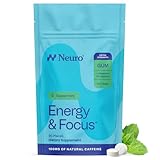
- Fast-Acting Nootropic - Our energy supplements deliver an extra boost of energy and clarity with a blend of natural caffeine, L-theanine, and vitamin b6 & b12. Your go-to chewing gum for work, exercise, and daily focus!
- Clean Energy - Each piece of our sugar free gum delivers 100mg of natural caffeine from green coffee beans for a smooth energy boost without crashes or jitters.
- The Perfect Balance - With 60mg of L-theanine per piece, our energy and focus formula promotes enhanced focus and stress reduction to smooth energy boosts.
- How to Use - Chew one piece of the caffeine gum whenever focus or energy is lacking. Ideal for mornings, pre-workout, or afternoon slumps. Effects typically kick in within minutes thanks to optimal absorption through the mouth.
- Made by Neuro, Backed by Science - At Neuro, we combine neuroscience with clean, science backed ingredients to help you do more, think better, and feel your best every single day.
Pros, cons, and when it matters
- Pro: Increased Alertness: Caffeine is a proven wake-up agent. It helps you focus and feel more energetic. This is why many of us reach for coffee first thing.
- Con: Jitters and Anxiety: Too much caffeine can lead to nervousness, restlessness, and even full-blown anxiety attacks for some people. It’s easy to overdo it, especially with strong brews or multiple cups.
- Pro: Improved Mood: For many, coffee provides a little lift. It can make you feel more positive and social. A good cup can really set the tone for the day.
- Con: Sleep Disruption: Drinking coffee too late in the day can wreck your sleep schedule. Caffeine has a half-life, meaning it stays in your system for hours.
- Pro: Enhanced Physical Performance: Caffeine can boost endurance and power output, making it popular with athletes.
- Con: Digestive Issues: For some, coffee can be a bit rough on the stomach, leading to heartburn or upset.
- Pro: Social Ritual: Grabbing coffee with a friend is a classic way to connect. It’s a shared experience.
- Con: Dependence: Regular, high caffeine intake can lead to dependence. Skipping it can result in withdrawal symptoms like headaches and fatigue.
- Pro: Flavor and Aroma: Let’s be honest, coffee just tastes and smells great. The whole experience is enjoyable.
- Con: Can Mask Fatigue: Coffee doesn’t create energy; it just masks tiredness. You’re still borrowing from your body’s reserves.
- Pro: Antioxidants: Coffee contains antioxidants, which are good for your health.
- Con: Potential for Overconsumption: It’s easy to drink more than you intended, especially when you’re tired or enjoying the taste.
Common misconceptions
- Myth: Coffee contains alcohol. Nope. The “buzz” is from caffeine, a stimulant. Alcohol is a depressant and is not present in coffee beans or brewed coffee.
- Myth: Dark roast coffee has more caffeine than light roast. Not necessarily. While darker roasts are less dense (more volume per bean), a scoop of light roast beans might have more caffeine by weight because they haven’t been roasted as long. It’s complicated.
- Myth: Coffee makes you drunk. Again, no. It makes you alert and stimulated. Drunk means impaired by alcohol.
- Myth: You can sober up with coffee. False. Coffee can make you feel more awake, but it does nothing to metabolize alcohol. You still need time for your body to process it.
- Myth: All coffee has the same amount of caffeine. Far from it. Bean type, roast level, brewing method, and serving size all drastically change caffeine content.
- Myth: Caffeine is addictive like hard drugs. While you can become dependent on caffeine and experience withdrawal, it doesn’t rewire your brain’s reward pathways the way addictive drugs do.
- Myth: Cold brew is less acidic and therefore “healthier.” Cold brew is often perceived as smoother and less acidic because the longer, colder extraction process pulls out fewer acidic compounds. It’s not necessarily “healthier,” just different.
- Myth: Coffee dehydrates you. While caffeine is a mild diuretic, the water in coffee usually offsets this effect. You’re not going to get dehydrated from a few cups.
FAQ
Q: Can coffee make you feel dizzy or lightheaded?
A: Yes, it’s possible. Too much caffeine can cause jitters and anxiety, which can sometimes manifest as dizziness or lightheadedness. Dehydration or low blood sugar can also contribute.
Q: Why do I feel a “rush” after drinking coffee?
A: That’s the caffeine kicking in. It stimulates your central nervous system, increasing alertness and energy. It’s your body responding to the stimulant.
Q: Is it possible to have a caffeine overdose?
A: While rare, it is possible to consume a dangerously high amount of caffeine. Symptoms can include rapid heart rate, confusion, and even seizures. Stick to moderate amounts.
Q: Can coffee affect my mood like alcohol?
A: It can affect your mood, but in a different way. Caffeine is a stimulant, so it usually increases energy and alertness, sometimes leading to euphoria or irritability, not the depressant effects of alcohol.
Q: If I feel weird after coffee, does that mean I’m allergic?
A: It’s unlikely to be an allergy. More often, it’s a sensitivity to caffeine or a reaction to drinking on an empty stomach or consuming too much.
Q: Does adding milk or sugar change how coffee affects me?
A: They don’t change the caffeine content, but they can affect how your body perceives the energy boost. Sugar can provide a quick energy spike, and milk can slow absorption slightly.
Q: Can mixing coffee with alcohol make me drunk faster?
A: No, mixing them doesn’t make you drunk faster. However, caffeine can mask the depressant effects of alcohol, making you feel less intoxicated than you actually are, which can be dangerous.
What this page does NOT cover (and where to go next)
- Specific caffeine content of every single coffee bean or roast. (Check brand websites or third-party testing for details.)
- Detailed medical advice on caffeine sensitivity or withdrawal. (Consult a healthcare professional.)
- The complex chemistry of coffee extraction and flavor profiles. (Dive into coffee science resources.)
- Recommendations for specific coffee brewing equipment or brands. (Explore gear reviews and home brewing guides.)