
Exploring How Green Coffee Might Support Weight Loss
Quick answer
- Green coffee refers to unroasted coffee beans.
- It contains chlorogenic acids, which are largely destroyed during roasting.
- Some studies suggest chlorogenic acids may influence metabolism and fat absorption.
- Potential mechanisms include affecting blood sugar and insulin response.
- Evidence for significant weight loss in humans is still limited and mixed.
- It’s not a magic bullet and should be considered alongside diet and exercise.
Key terms and definitions
- Green Coffee: Unroasted coffee beans, prior to the roasting process.
- Chlorogenic Acids (CGAs): A group of antioxidant compounds found in high concentrations in green coffee.
- Metabolism: The chemical processes that occur within a living organism in order to maintain life.
- Lipid Metabolism: The processes involving the breakdown or storage of fats for energy.
- Glucose Metabolism: The processes involving the breakdown or storage of sugars for energy.
- Insulin Sensitivity: How effectively the body’s cells respond to insulin, a hormone that regulates blood sugar.
- Thermogenesis: The process of heat production in organisms, which can burn calories.
- Antioxidant: A substance that inhibits oxidation, a process that can produce free radicals and damage cells.
- Caffeine: A natural stimulant found in coffee, tea, and other plants.
- Supplement: A product taken orally that contains one or more dietary ingredients, like vitamins, minerals, or herbs.
How green coffee works
- Green coffee beans are simply regular coffee beans that have not yet been roasted.
- The roasting process significantly reduces the content of chlorogenic acids in coffee.
- Green coffee extract is typically made by soaking unroasted coffee beans in water, then concentrating the liquid.
- The primary active compounds believed to be responsible for its effects are chlorogenic acids.
- These acids are thought to inhibit an enzyme involved in glucose release from the liver.
- This could potentially lead to the body using stored fat for energy instead of readily available glucose.
- Some theories suggest chlorogenic acids might also reduce the absorption of carbohydrates from the digestive tract.
- Caffeine, also present in green coffee, is a known stimulant that can slightly boost metabolism.
- The combination of chlorogenic acids and caffeine is hypothesized to have a synergistic effect.
What affects the result
- Chlorogenic Acid Concentration: The amount of active compounds in a green coffee product can vary significantly.
- Dosage: The quantity of green coffee extract consumed daily is a critical factor in potential effects.
- Individual Metabolism: People respond differently to dietary compounds based on their unique metabolic rates.
- Diet and Exercise: Green coffee is generally seen as a supplement; its effects are amplified or diminished by overall lifestyle.
- Caffeine Sensitivity: Individuals sensitive to caffeine may experience side effects, which can impact consistent use.
- Product Quality: The purity and standardization of green coffee supplements can vary widely between brands.
- Absorption Rate: How well the body absorbs chlorogenic acids and other compounds can differ among individuals.
- Other Ingredients: Some green coffee supplements are combined with other ingredients that may alter their effects.
- Timing of Consumption: When green coffee is consumed relative to meals might influence its impact on blood sugar.
Pros, cons, and when how does green coffee make you lose weight matters
- Pros:
- Contains beneficial antioxidants (chlorogenic acids).
- May offer a modest metabolic boost due to caffeine and CGAs.
- Could potentially aid in blood sugar regulation.
- A natural extract derived from coffee beans.
- Relatively low calorie when consumed as an extract or unflavored drink.
- Might be an option for those looking for a non-roasted coffee experience.
- Cons:
- Evidence for significant human weight loss is not conclusive.
- Can cause caffeine-related side effects like jitters, anxiety, or sleep issues.
- May interact with certain medications (e.g., blood thinners, blood pressure meds).
- The taste of unroasted green coffee is often described as grassy or herbaceous, not like roasted coffee.
- Quality and concentration of active ingredients can vary widely in supplements.
- Not a substitute for a balanced diet and regular exercise.
- When it matters:
- When exploring natural supplements that might offer a slight edge in weight management.
- For individuals who tolerate caffeine well and are looking for antioxidant benefits.
- As part of a comprehensive weight loss plan, not as a standalone solution.
- If you’re interested in the unique chemical profile of unroasted coffee.
Common misconceptions
- Myth: Green coffee is a magic pill for weight loss.
- Fact: While some studies suggest potential benefits, it’s not a miracle cure and should be combined with a healthy lifestyle.
- Myth: Green coffee tastes like regular coffee.
- Fact: Unroasted green coffee has a very different, often vegetal or grassy flavor, not the rich, roasted taste of traditional coffee.
- Myth: All green coffee products are equally effective.
- Fact: The concentration of chlorogenic acids and overall product quality can vary significantly between brands and forms.
- Myth: You can get the same benefits from drinking regular coffee.
- Fact: Roasting significantly reduces chlorogenic acid content, so regular coffee does not offer the same profile of active compounds.
- Myth: More green coffee means faster weight loss.
- Fact: Excessive consumption can lead to caffeine-related side effects without necessarily increasing weight loss benefits.
- Myth: Green coffee is completely free of caffeine.
- Fact: Green coffee beans naturally contain caffeine, though the amount can vary.
- Myth: It works by burning fat directly.
- Fact: Its proposed mechanisms are more indirect, such as influencing glucose metabolism and fat absorption, rather than directly “burning” fat cells.
FAQ
Q: How does green coffee make you lose weight, specifically?
A: The primary theory is that chlorogenic acids in green coffee may reduce the absorption of carbohydrates from the digestive tract and inhibit an enzyme involved in glucose release from the liver. This could encourage the body to use stored fat for energy.
Q: Can I just drink green coffee beans instead of taking a supplement?
A: You can brew green coffee beans, but the taste is very different from roasted coffee. Supplements often provide a concentrated extract, which may offer a higher and more consistent dose of chlorogenic acids than home-brewed green coffee.
If you’re interested in exploring the potential benefits of green coffee for weight management, consider trying high-quality weight loss coffee beans, which often provide a concentrated dose of the active compounds.
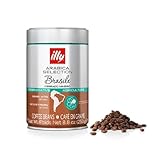
- Explore the individual taste and distinct aroma of each single origin Arabica coffee, found in the legendary illy blend, each highlighting the singular style, culture and flavor of these distinctive geographic region
- Carefully selected and meticulously roasted, illy coffee beans invoke a sensual beauty and poetry in the passionate coffee lover.
- Our unique pressurized coffee packaging preserves the flavor and complexity of the illy blend while enhancing the coffee’s aroma and ensuring optimal freshness.
- Each pressurized can contains 8.8oz of Whole Bean MonoArabica Brazil Single Origin Coffee.
- If you are not completely satisfied with your illy purchase, we will refund your order. No questions asked.
Q: Are there any side effects to taking green coffee extract?
A: Due to its caffeine content, side effects can include jitters, anxiety, upset stomach, and sleep disturbances, especially in sensitive individuals or with high doses. Some people may also experience digestive issues.
Q: How much green coffee extract should I take for weight loss?
A: There is no universally agreed-upon dosage for weight loss. It’s best to follow the manufacturer’s instructions on the product label or consult with a healthcare professional. Do not exceed recommended doses.
Q: Is green coffee safe for everyone?
A: Green coffee extract may not be suitable for pregnant or breastfeeding women, children, or individuals with certain medical conditions like heart problems, anxiety disorders, or diabetes. Always consult a doctor before starting any new supplement.
Q: How long does it take to see results from green coffee for weight loss?
A: Any potential results would likely be gradual and depend on many factors, including diet, exercise, and individual metabolism. There’s no set timeline, and significant, rapid weight loss should not be expected.
Q: Does green coffee help with energy levels?
A: Yes, due to its natural caffeine content, green coffee can provide a stimulating effect similar to regular coffee, which may lead to increased energy and alertness.
What this page does NOT cover (and where to go next)
- Specific brand recommendations for green coffee supplements.
- Detailed nutritional breakdowns of various green coffee bean varieties.
- In-depth scientific analysis of all studies on chlorogenic acids and metabolism.
- Recipes or specific brewing methods for green coffee beans.
- Personalized medical advice for weight loss or supplement use.
- The broader topic of comprehensive weight management strategies.