
How Coffee Affects Your Sleep Quality
Quick Answer: Does Coffee Make You Not Sleep?
- Yeah, it absolutely can.
- Caffeine is the main culprit. It’s a stimulant.
- It messes with your brain chemistry, keeping you awake.
- How much it affects you depends on you, when you drink it, and how much.
- Some folks are more sensitive than others.
- Timing is everything. Late-day coffee is a no-go for good sleep.
If you’re looking for a way to manage your caffeine intake without the coffee, consider exploring caffeine supplements for a more controlled approach.
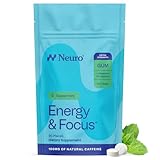
- Fast-Acting Nootropic - Our energy supplements deliver an extra boost of energy and clarity with a blend of natural caffeine, L-theanine, and vitamin b6 & b12. Your go-to chewing gum for work, exercise, and daily focus!
- Clean Energy - Each piece of our sugar free gum delivers 100mg of natural caffeine from green coffee beans for a smooth energy boost without crashes or jitters.
- The Perfect Balance - With 60mg of L-theanine per piece, our energy and focus formula promotes enhanced focus and stress reduction to smooth energy boosts.
- How to Use - Chew one piece of the caffeine gum whenever focus or energy is lacking. Ideal for mornings, pre-workout, or afternoon slumps. Effects typically kick in within minutes thanks to optimal absorption through the mouth.
- Made by Neuro, Backed by Science - At Neuro, we combine neuroscience with clean, science backed ingredients to help you do more, think better, and feel your best every single day.
Key Terms & Definitions: Coffee and Sleep
- Caffeine: The natural stimulant found in coffee beans. It blocks adenosine, a neurotransmitter that makes you feel tired.
- Adenosine: A chemical in your brain that builds up throughout the day, signaling tiredness. Caffeine interrupts this signal.
- Sleep Latency: The time it takes to fall asleep. Caffeine increases this.
- Sleep Quality: How well you sleep. Caffeine can reduce deep sleep stages.
- Half-life: The time it takes for half of a substance (like caffeine) to be eliminated from your body. For caffeine, it’s usually around 5-6 hours, but varies.
- Stimulant: A substance that raises levels of physiological or nervous system activity. Coffee is a classic example.
- Circadian Rhythm: Your body’s internal 24-hour clock that regulates sleep-wake cycles. Caffeine can throw this off.
- Insomnia: Persistent problems falling or staying asleep. Coffee can be a trigger for some.
- Withdrawal: Symptoms experienced when you stop consuming caffeine, like headaches or fatigue. Not directly related to causing sleeplessness, but part of the caffeine cycle.
How Coffee Messes With Your Sleep
- Blocks Adenosine: Your brain naturally produces adenosine, which makes you feel drowsy. Caffeine latches onto the same receptors, preventing adenosine from doing its job. So, you feel alert, not tired.
- Increases Alertness: By blocking adenosine and releasing other chemicals like dopamine and norepinephrine, caffeine makes your brain more active. This is great for waking up, not so much for winding down.
- Delays Sleep Onset: Because you’re more alert and adenosine is being blocked, it simply takes longer to fall asleep. Your brain is still revving when it should be powering down.
- Disrupts Sleep Cycles: Caffeine doesn’t just keep you from falling asleep. It can also affect the quality of the sleep you do get. It can reduce time spent in deep, restorative sleep stages.
- Lingers in Your System: Caffeine has a half-life. This means it sticks around. Even if you drink coffee in the afternoon, a good chunk of that caffeine can still be active when you’re trying to hit the hay.
- Can Increase Urination: For some, coffee acts as a diuretic. This might mean more trips to the bathroom in the middle of the night, breaking up your sleep.
- Heightens Anxiety (for some): If you’re already prone to anxiety, caffeine can crank that up. Feeling keyed up makes it tough to relax and drift off.
What Affects How Coffee Impacts Your Sleep
- Your Genetics: Seriously. Some people metabolize caffeine way faster than others. It’s in your DNA.
- Amount Consumed: A tiny espresso is different from a giant mug of drip coffee. More caffeine means a bigger impact.
- Timing of Consumption: This is huge. Coffee at 7 AM is usually fine. Coffee at 7 PM? Probably not.
- Your Tolerance: Regular coffee drinkers might feel less of a jolt than someone who rarely touches the stuff. Your body gets used to it.
- Individual Sensitivity: Even with similar genetics and tolerance, some people just feel caffeine more strongly. It’s a personal thing.
- Other Ingredients: Adding a ton of sugar or cream might not directly affect caffeine’s stimulant properties, but it can contribute to overall digestive issues or energy spikes and crashes that indirectly impact sleep.
- Your Sleep Schedule: If you’re already sleep-deprived, caffeine might seem like a lifesaver, but it can create a vicious cycle.
- Medications: Some drugs can interact with how your body processes caffeine, making its effects last longer or feel stronger. Always check with your doc.
- Your Diet: What else you eat and drink can influence how your body absorbs and processes caffeine.
- Brewing Method: While the caffeine content varies slightly by method, the main factor is still the amount of coffee grounds used and the strength of the brew.
- Freshness of Coffee Beans: Older beans might have slightly less volatile compounds, but the caffeine content remains largely the same. The impact is more about the caffeine itself.
- Hydration Levels: Being dehydrated can sometimes make stimulant effects feel more pronounced.
For those who enjoy a fresh brew and want to control their coffee’s strength, a quality coffee grinder can make a significant difference in your morning routine.

- [ PRECISION ELECTRONIC TIMER & TOUCHSCREEN PANEL ] - Precision Electronic Timer allows users to adjust grind time in 1 second increments up to 40s. A clear and concise LCD Touch screen is easy and intuitive for you to adjust the grind time.
- [ CHOOSE FROM 48 GRIND SETTINGS ] - This coffee bean grinder is designed with a conical burr grinder that operates at a low speed to minimize heat and help release the oils for optimal flavor. With 48 adjustable settings, create your perfect cup – from Espresso finesse to French press coarseness!
- [ UPGRADE ANTI-STATIC CONICAL BURR COFFEE GRINDER ] - The anti-static technology prevents the grounds from sticking to the coffee chamber and creating a mess. It allows a smooth flow of coffee grounds for an improved experience.
- [ LARGE BEAN HOPPER ] - Our espresso grinder comes with a 9.7 oz coffee bean hopper, designed with a locking system that ensures safe operation.
Pros, Cons, and When it Matters: Coffee & Sleep
- Pro: Increased Alertness: Coffee is great for waking up, focusing, and getting through a tough morning. This is its primary job for many.
- Con: Difficulty Falling Asleep: The most obvious downside. Caffeine keeps your brain buzzing when it should be quiet.
- Pro: Improved Mood: Coffee can boost your mood, which can be a nice perk.
- Con: Reduced Sleep Quality: Even if you fall asleep, caffeine can lead to lighter, more fragmented sleep, especially in the deep stages.
- Pro: Enhanced Physical Performance: For athletes or just a tough workout, coffee can give you an edge.
- Con: Increased Anxiety: For sensitive individuals, coffee can trigger or worsen feelings of nervousness and jitters.
- Pro: Social Ritual: Grabbing coffee with friends is a classic social activity.
- Con: Sleep Latency Increase: You’ll likely spend more time lying awake, staring at the ceiling.
- Pro: Cognitive Boost: Coffee can temporarily improve focus and concentration.
- Con: Afternoon Slump Amplified: The caffeine crash can hit harder later in the day if you’ve had too much.
- Pro: Potential Health Benefits: Some studies suggest moderate coffee consumption has health perks.
- Con: Dependency and Withdrawal: You can become dependent, leading to headaches and fatigue if you skip your usual cup.
- When it Matters: Crucial for anyone with a demanding job, students facing exams, new parents, or anyone who needs to be sharp and functional. It’s also critical for people already struggling with sleep issues.
Common Misconceptions About Coffee and Sleep
- Myth: “I can drink coffee late and still sleep fine.”
- Maybe you think you sleep fine, but caffeine can still be impacting your sleep architecture, even if you don’t notice it. Your deep sleep might be lighter.
- Myth: “Decaf coffee has no effect on sleep.”
- Decaf still has a small amount of caffeine. For highly sensitive people, even this trace amount can make a difference.
- Myth: “Alcohol helps you sleep, so coffee at night is okay too.”
- Alcohol might make you drowsy initially, but it severely disrupts sleep quality later in the night. Coffee is a stimulant; alcohol is a depressant with different, also negative, sleep effects. They are not comparable.
- Myth: “I need coffee to function, so I’ll just sleep less.”
- This creates a cycle. You rely on caffeine to overcome sleep debt, but caffeine disrupts sleep, leading to more debt. It’s not sustainable.
- Myth: “Coffee just makes you pee, that’s its main effect.”
- While it can be a diuretic, its primary impact on sleep is its stimulant effect on the brain.
- Myth: “If I’m tired, coffee will just cancel out the tiredness.”
- Coffee masks fatigue; it doesn’t eliminate the underlying need for rest. Your body still needs sleep to recover.
- Myth: “Coffee only affects you for an hour or two.”
- Caffeine’s half-life is much longer, meaning its effects can linger for 6 hours or more.
- Myth: “Everyone is affected by coffee the same way.”
- Genetics, tolerance, and individual sensitivity mean people react very differently to the same amount of caffeine.
FAQ: Coffee and Your Shut-Eye
Q: How much coffee is too much before bed?
A: Generally, avoid caffeine for at least 6-8 hours before you plan to sleep. For most people, this means no coffee after 2-3 PM.
Q: Can I drink coffee if I have insomnia?
A: It’s usually best to limit or avoid caffeine, especially in the afternoon and evening, if you struggle with insomnia. Try to identify your triggers.
Q: Does caffeine affect dreams?
A: Caffeine can disrupt sleep cycles, potentially affecting REM sleep where most vivid dreaming occurs. This might lead to fewer or less memorable dreams.
Q: What’s the best time of day to drink coffee?
A: For most people, morning is ideal. This allows caffeine to boost alertness when needed and mostly clear your system by bedtime.
Q: Is espresso worse for sleep than drip coffee?
A: It depends on the amount. A single shot of espresso has less caffeine than a large cup of drip coffee, but it’s more concentrated. What matters most is the total caffeine intake.
Q: How long does caffeine stay in my system?
A: The half-life is about 5-6 hours, but it can vary. This means half the caffeine you consume might still be active 6 hours later.
Q: Can I drink coffee and still get good sleep?
A: Yes, if you’re mindful of timing and quantity. Stick to morning hours and moderate amounts to avoid disrupting your sleep.
Q: What are signs that coffee is affecting my sleep?
A: Difficulty falling asleep, waking up frequently, feeling unrested in the morning, or experiencing more vivid/disturbing dreams can be signs.
What This Page Does NOT Cover (and Where to Go Next)
- Specific caffeine content in different coffee drinks. (Check your favorite cafe or coffee maker manual).
- Detailed sleep science and stages of sleep. (Explore resources on sleep hygiene).
- Recipes for coffee drinks. (Look for coffee blogs or recipe sites).
- The long-term health effects of caffeine consumption. (Consult health professionals or reputable medical sources).
- How to brew the perfect cup of coffee. (There are entire communities dedicated to this!).