
Why Coffee Can Keep You Awake: Tips for Better Sleep
Quick Answer
- Caffeine is the main culprit. It’s a stimulant that blocks adenosine, a sleep-promoting chemical.
- How much you drink and when matters. Late-day coffee is a sleep killer.
- Individual sensitivity varies. Some folks can handle caffeine late, others can’t.
- Brewing method can affect caffeine levels, but it’s usually minor compared to dosage.
- Reducing caffeine intake, especially in the afternoon, is key for better sleep.
- Hydration and a good bedtime routine also help offset caffeine’s effects.
If you’re looking for a controlled dose of caffeine without the coffee, consider exploring caffeine supplements.
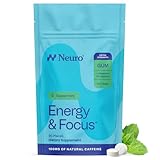
- Fast-Acting Nootropic - Our energy supplements deliver an extra boost of energy and clarity with a blend of natural caffeine, L-theanine, and vitamin b6 & b12. Your go-to chewing gum for work, exercise, and daily focus!
- Clean Energy - Each piece of our sugar free gum delivers 100mg of natural caffeine from green coffee beans for a smooth energy boost without crashes or jitters.
- The Perfect Balance - With 60mg of L-theanine per piece, our energy and focus formula promotes enhanced focus and stress reduction to smooth energy boosts.
- How to Use - Chew one piece of the caffeine gum whenever focus or energy is lacking. Ideal for mornings, pre-workout, or afternoon slumps. Effects typically kick in within minutes thanks to optimal absorption through the mouth.
- Made by Neuro, Backed by Science - At Neuro, we combine neuroscience with clean, science backed ingredients to help you do more, think better, and feel your best every single day.
Key Terms and Definitions
- Caffeine: A natural stimulant found in coffee beans, tea leaves, and cocoa. It affects the central nervous system.
- Adenosine: A neurotransmitter that builds up in your brain throughout the day, making you feel tired. Caffeine blocks its receptors.
- Stimulant: A substance that increases activity in the brain and nervous system. Coffee is a classic example.
- Half-life: The time it takes for the body to eliminate half of a substance. Caffeine’s half-life is typically 3-5 hours, but can be longer.
- Insomnia: Persistent problems falling or staying asleep. Too much caffeine can contribute.
- Sleep Hygiene: Habits and practices that promote healthy sleep. This includes managing caffeine intake.
- Circadian Rhythm: Your body’s internal 24-hour clock that regulates sleep-wake cycles. Caffeine can mess with this.
- Decaf: Coffee that has had most of its caffeine removed. It’s not completely caffeine-free, though.
- Tolerance: When your body gets used to a substance, requiring more to get the same effect. This can happen with caffeine.
How Coffee Can Keep You Awake
- Coffee’s magic ingredient is caffeine. It’s a psychoactive drug, plain and simple.
- When you drink coffee, caffeine enters your bloodstream and then your brain.
- In your brain, it latches onto adenosine receptors. Adenosine is the stuff that makes you feel sleepy.
- By blocking adenosine, caffeine keeps you feeling alert and awake. It’s like putting a lid on your body’s “sleepy” signal.
- This blocking effect can last for hours. That’s why a late-afternoon cup can ruin your night.
- Caffeine also triggers the release of adrenaline. That’s your “fight or flight” hormone, definitely not conducive to sleep.
- The more caffeine you consume, the stronger these effects. It’s a dose-dependent thing.
- Your body metabolizes caffeine, but it takes time. This is where the half-life comes in.
- Even after you feel the initial jolt wear off, caffeine might still be in your system.
Caffeine acts as an adenosine blocker, preventing the natural build-up of sleepiness. Understanding how these adenosine blockers work can help you manage your caffeine intake.

- TalkTools Jaw Grading Bite Blocks are essential in OPT, supporting various clinical needs, from symmetrical jaw strength to stability and grading. They also help assess and treat conditions like articulation, apraxia, dysarthria, and OMDs
- Comprehensive Therapy Aid: Specially made for weak jaw muscles, these blocks are crucial for speech and feeding evaluations. They help with muscle memory and are essential for therapists treating different disorders
- Efficient Kit: Includes two sets of six Bite Blocks and an instruction booklet. Emphasizes reusability, durability, and easy cleaning for continuous therapist support
- Safe Clinical Environment: These biting blocks maintain patient comfort and prevent unnecessary fatigue during dental procedures. Their design keeps jaws apart for efficient clinical outcomes
- Orthodontic Support: Use biting blocks to prevent upper and lower teeth contact during orthodontic treatment, reducing the risk of bracket breakage and improving bite
What Affects How Coffee Keeps You Awake
- Caffeine Content: Different beans and roasts have varying caffeine levels. Darker roasts can have slightly less, but it’s often a myth. Espresso has less volume but is concentrated.
- Dosage: How many cups (or shots) you have. A double espresso is more than a single, obviously.
- Timing: This is huge. Drinking coffee at 3 PM is way different than at 7 AM. Your body needs time to clear it out.
- Individual Metabolism: Some people process caffeine faster than others. Genetics plays a big role here. My buddy can drink coffee after dinner and sleep like a log. I can’t.
- Body Weight and Composition: Generally, lighter individuals might be more sensitive to caffeine’s effects.
- Tolerance: Regular coffee drinkers build up a tolerance. They might feel less of a jolt, but the sleep disruption can still be there.
- Other Stimulants: Combining coffee with other caffeinated drinks or energy supplements amplifies the effect.
- Medications: Certain medications can interfere with caffeine metabolism, making you more sensitive. Check with your doc if you’re unsure.
- Sleep Deprivation: If you’re already tired, caffeine might just mask the fatigue, making you feel like you’re functioning, but not actually rested. This can lead to a vicious cycle.
- Brewing Method: While methods like espresso are concentrated, a large drip coffee might deliver more total caffeine just by volume. It’s not usually the primary factor for most people.
- Additives: Sugar and cream don’t directly affect caffeine, but they can impact your overall energy levels and digestion, which indirectly affects sleep.
- Water Intake: Staying hydrated can help your body process substances, including caffeine, more efficiently.
Pros, Cons, and When It Matters
- Pro: Alertness Boost: Coffee wakes you up. Great for early mornings or that mid-afternoon slump.
- Con: Sleep Disruption: The main event. Too much, too late, and you’re staring at the ceiling.
- Pro: Improved Focus: For many, coffee sharpens concentration. Good for tasks requiring mental effort.
- Con: Jitters and Anxiety: Overdoing it can make you feel wired and uneasy. Not a good vibe before bed.
- Pro: Antioxidants: Coffee has beneficial compounds. A little perk for your health.
- Con: Dependency: You can get hooked. Missing your morning cup can lead to headaches and fatigue.
- Pro: Social Ritual: Grabbing coffee with friends is a great way to connect.
- Con: Digestive Issues: Some people experience heartburn or stomach upset from coffee.
- Pro: Enhanced Physical Performance: Caffeine can give you an edge during workouts.
- Con: Tolerance Buildup: You need more to feel the same effect over time.
- Pro: Flavor and Aroma: Let’s be honest, good coffee just tastes and smells amazing.
- Con: Sleep Quality Degradation: Even if you fall asleep, caffeine can reduce deep sleep stages.
Common Misconceptions
- Myth: Decaf has no caffeine. It does, just a much smaller amount. Enough to affect some sensitive people.
- Myth: Dark roasts have more caffeine. Usually the opposite. Lighter roasts tend to retain more caffeine.
- Myth: Coffee is the only source of caffeine. Nope. Tea, soda, chocolate, and energy drinks all have it.
- Myth: You can “sweat out” caffeine. Not really. Hydration helps your body process it, but it’s not a quick fix.
- Myth: Coffee always makes you more productive. It can, but too much leads to jitters and errors.
- Myth: Cold brew coffee has less caffeine. Often it has more caffeine due to the higher coffee-to-water ratio and longer brew time.
- Myth: You can outrun caffeine’s effects with exercise. Exercise can mask fatigue, but it doesn’t eliminate the caffeine from your system.
- Myth: Caffeine only affects your brain. It impacts your heart rate, digestion, and other bodily functions too.
- Myth: If you can fall asleep after coffee, it’s not affecting you. It might be affecting the quality of your sleep, even if you don’t notice.
- Myth: Alcohol cancels out caffeine. Absolutely not. They can create a dangerous combination, masking intoxication.
FAQ
Q: How much caffeine is too much before bed?
A: Generally, avoid caffeine 6-8 hours before you plan to sleep. For most people, this means no coffee after lunch.
Q: Will drinking water help me sleep after coffee?
A: Hydration is good, and it helps your body process things. But it won’t magically erase the caffeine’s stimulant effect.
Q: Is espresso less likely to keep me awake than drip coffee?
A: A single shot of espresso has less caffeine than a large cup of drip coffee. But if you drink multiple shots, you’ll get a bigger dose.
Q: Can my genetics really make me more sensitive to caffeine?
A: Yes. Some people have gene variations that affect how quickly they metabolize caffeine. It’s why some can sleep through a late-night latte.
Q: What are the symptoms of too much caffeine late in the day?
A: You might feel restless, have a racing heart, feel anxious, or find it hard to switch off your brain.
Q: Does decaf coffee still have enough caffeine to keep me awake?
A: Decaf coffee typically has about 10-15 mg of caffeine per cup, compared to 80-100 mg in regular coffee. Some very sensitive individuals might still react.
Q: How long does caffeine stay in my system?
A: The half-life is about 3-5 hours, but it can be longer. This means half the caffeine might still be active in your body after that time.
Q: Can I still enjoy coffee and sleep well?
A: Absolutely. The trick is mindful consumption. Stick to mornings and early afternoons.
Q: What’s the best way to cut back on late-day coffee?
A: Gradually switch to decaf, herbal teas, or water in the afternoon. Your body will adjust.
Q: Does coffee affect my dreams?
A: While caffeine primarily affects alertness, it can disrupt sleep architecture, potentially impacting dream intensity or recall indirectly.
What This Page Does Not Cover (and Where to Go Next)
- Specific caffeine content in every single coffee product. Check brand websites or packaging.
- Detailed medical advice on caffeine sensitivity or sleep disorders. Consult a healthcare professional.
- Recipes for coffee drinks. Plenty of resources out there for that.
- The science of sleep stages and their specific impacts. This is a deep dive.
- Reviews of specific coffee makers or brands. That’s a whole other ballgame.
- Advanced brewing techniques for optimizing caffeine extraction. We kept it simple here.