
Why Coffee Makes You Need to Urinate Frequently
Quick answer
- Coffee can make you pee more due to caffeine’s diuretic effect.
- Caffeine stimulates your kidneys to produce more urine.
- It also increases blood flow to the kidneys.
- Some compounds in coffee might irritate the bladder.
- Your individual sensitivity plays a big role.
- It’s not just coffee; other caffeinated drinks can have a similar effect.
Key terms and definitions
- Diuretic: A substance that promotes the production of urine.
- Caffeine: A stimulant found in coffee beans, tea leaves, and other plants.
- Kidneys: Organs that filter waste from your blood and produce urine.
- Bladder: A muscular sac that stores urine.
- Dehydration: A condition where your body loses more fluid than it takes in.
- Adenosine Receptors: Proteins in your body that caffeine blocks, affecting various bodily functions.
- Vasodilation: Widening of blood vessels.
- Bladder Irritation: A condition that can cause increased urination frequency and urgency.
- Fluid Balance: The body’s regulation of water intake and output.
How it works
- Caffeine acts as a mild diuretic. It tells your kidneys to get rid of more salt and water.
- This process increases urine production. More fluid goes out, so you gotta go.
- Caffeine can also boost blood flow to your kidneys. This helps them filter waste more efficiently, leading to more urine.
- It blocks adenosine receptors in your body. Adenosine usually promotes relaxation and slows things down. Caffeine blocking it can speed up kidney function.
- Some evidence suggests certain coffee compounds, beyond caffeine, might stimulate bladder contractions. This gives you that “gotta go right now” feeling.
- The overall effect is a signal to your body to expel more fluid. It’s a natural process amplified by the coffee.
- Think of it as your body’s way of processing the extra fluid and compounds efficiently.
If you’re curious about the diuretic effects of coffee, understanding how caffeine interacts with your kidneys is key. For those interested in the science behind it, exploring resources on diuretic coffee can provide deeper insights.
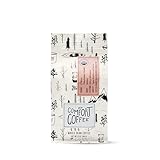
- Premium Grade Whole Bean Coffee - The Organic Peru Medium Roast is a single-origin smooth coffee
- Luscious Flavor Note Profiles - Flavor notes Nutty, Chocolate, & Citrus make amazing coffee
- 100% Roasted Whole Beans - 12 oz resealable bag for maximum longevity, freshness, and flavor
- Internationally Sourced Beans - Grown on mountainside farms at high elevation in Peru
- Mt. Comfort Coffee - Our goal is to provide the most excellent single origin coffee to our customers
What affects the result
- Caffeine Content: Darker roasts often have less caffeine, but it varies by bean and brewing method. More caffeine, more pee.
- Amount Consumed: Drinking a whole pot versus a single cup makes a difference. Simple math.
- Individual Sensitivity: Some folks are just more sensitive to caffeine’s effects. Genetics matter.
- Hydration Levels: If you’re already well-hydrated, you’ll notice the effect more. Starting dehydrated might mask it.
- Other Ingredients: Adding milk or cream might slightly alter the absorption, but probably not by much.
- Type of Coffee: Espresso, drip, cold brew – they all have different concentrations.
- Bladder Health: Pre-existing bladder issues can make you more prone to feeling the urge.
- Medications: Some drugs can interact with caffeine or affect kidney function. Always check with your doc.
- Diet: Other foods and drinks you consume can influence fluid balance.
- Metabolism: How quickly your body processes caffeine plays a part.
- Roast Level: Lighter roasts generally have more caffeine.
- Brewing Method: How long the coffee grounds are in contact with water affects extraction.
If you find yourself particularly sensitive to coffee’s effects, especially concerning bladder irritation, it’s worth considering how individual factors play a role. Understanding coffee bladder irritation can help you manage your intake more effectively.

- For support through: Painful urination, Urge to urinate, Frequent urination
- Effective: Natural active ingredients treat symptoms at the source.
- Gentle: Non habit-forming, no drowsiness.
- Safe: No known medication interactions.
Pros, cons, and when it matters
- Pro: Increased urination can help flush out your system. It’s a way your body deals with excess fluid.
- Con: Frequent trips to the restroom can be inconvenient, especially during long meetings or drives.
- Pro: For some, the diuretic effect is mild and not bothersome. It’s just part of the coffee experience.
- Con: If you’re not drinking enough water, it could contribute to mild dehydration. Keep that water bottle handy.
- Matters: When you’re on a long road trip with limited stops. Plan ahead.
- Matters: If you have a sensitive bladder or conditions like overactive bladder.
- Pro: It’s a natural bodily response, not usually a sign of a serious problem.
- Con: Can disrupt sleep if you drink coffee too close to bedtime.
- Matters: During intense physical activity or in hot weather where fluid balance is critical.
- Pro: It’s a temporary effect. Stop drinking coffee, and the urge usually subsides.
- Con: Can be annoying if you’re trying to focus on something important.
- Matters: If you’re prone to kidney stones; staying hydrated is key, but excessive diuretic intake without proper fluid replacement needs consideration.
Common misconceptions
- Myth: Coffee always dehydrates you. Truth: While it’s a mild diuretic, the fluid in the coffee often offsets the loss for moderate consumption. You’d have to drink a lot to get truly dehydrated from coffee alone.
- Myth: Only caffeine makes you pee. Truth: Other compounds in coffee might also play a role, though caffeine is the main driver.
- Myth: If you don’t feel the urge, coffee isn’t affecting you. Truth: Your body processes it differently. You might still be producing more urine even if you don’t feel an immediate need.
- Myth: Dark roast coffee makes you pee more. Truth: Lighter roasts generally have more caffeine, so they might have a stronger diuretic effect.
- Myth: This is a sign of a serious medical issue. Truth: For most people, it’s a normal, temporary effect of caffeine. If it’s extreme or persistent, see a doctor.
- Myth: You should avoid coffee if you need to urinate frequently. Truth: You can often manage it by moderating intake and staying hydrated.
- Myth: Decaf coffee won’t make you pee. Truth: Decaf still has some caffeine, and other compounds can still have a mild effect.
- Myth: It’s the heat of the coffee. Truth: It’s primarily the chemical compounds, not the temperature.
While coffee’s diuretic effect is often discussed, it’s important to separate myth from fact. Delving into the specifics of the caffeine diuretic effect can clarify common misconceptions about hydration and coffee consumption.

- The bloat GOAT: Diurex Period Comfort promptly and effectively relieves hormonal water bloat symptoms including water retention, puffiness, swelling, full feeling and water weight gain
- The only Diurex option with a pain reliever for menstrual cramps, headache, backache & other period-related pain
- Fights fatigue helping you feel less sluggish and more energized
- Eases bloating discomfort so you feel lighter, confident, energized, and more like yourself
- Water bloat relief in a gentle diuretic plus pain relief with magnesium salicylate. Safe & effective
FAQ
- Does everyone pee more after drinking coffee?
No, not everyone experiences the same effect. Individual sensitivity to caffeine varies greatly. Some people notice it strongly, while others barely do.
- How long does the urge to pee last after drinking coffee?
The effect is usually temporary. You might notice increased urination for a couple of hours after your last cup. It depends on how much caffeine you consumed and your body’s metabolism.
- Can I drink coffee and still stay hydrated?
Yes, for most people, moderate coffee consumption doesn’t lead to dehydration. The fluid in the coffee itself helps. Just make sure you’re drinking plain water too, especially if you’re consuming a lot of coffee.
- Is it bad if coffee makes me need to pee a lot?
Generally, no. It’s a common side effect. However, if it’s causing significant inconvenience or discomfort, or if you’re concerned about your fluid balance, it’s worth cutting back or consulting a healthcare professional.
- Does tea have the same effect as coffee?
Yes, other caffeinated beverages like tea, soda, and energy drinks can also have a mild diuretic effect due to their caffeine content. The intensity can vary.
- What can I do if coffee makes me pee too much?
Try reducing your intake, especially later in the day. You can also make sure you’re drinking plenty of water throughout the day to compensate. Some people find switching to lower-caffeine options helps.
- Is there a specific amount of coffee that triggers this?
It’s not a hard and fast rule. It depends on your personal tolerance. For some, even a small cup can trigger it, while others can drink a large mug with minimal effect.
- Does cold brew coffee make you pee more?
Cold brew can sometimes have higher caffeine content than drip coffee, depending on the coffee-to-water ratio. So, it might potentially lead to a stronger diuretic effect for some.
What this page does NOT cover (and where to go next)
- Specific medical advice for bladder conditions. Consult a urologist or doctor.
- Detailed comparisons of caffeine levels in specific coffee brands. Check product information.
- Nutritional breakdowns of coffee compounds. Look for resources on food science.
- Advanced brewing techniques for specific flavor profiles. Explore coffee enthusiast forums or brewing guides.
- The history of coffee consumption. Research historical texts or culinary history sites.