
How Coffee Affects Your Sleep
Quick answer
- Caffeine in coffee is a stimulant. It blocks adenosine, a sleep-promoting chemical.
- How long caffeine stays in your system varies. Genetics and metabolism play a big role.
- Drinking coffee too late can disrupt your sleep cycle. Even a small amount can make a difference.
- Sensitivity to caffeine is a spectrum. Some people bounce off the walls; others barely feel it.
- The “half-life” of caffeine is typically 4-6 hours. But it can be longer for some.
- Switching to decaf later in the day is a good move. Or just switch to herbal tea.
Key terms and definitions
- Caffeine: The natural stimulant found in coffee beans. It’s the main player here.
- Adenosine: A neurotransmitter in your brain that builds up during the day. It signals tiredness.
- Stimulant: A substance that increases activity in the central nervous system. Think of it as a temporary boost.
- Half-life: The time it takes for the amount of a substance (like caffeine) in your body to reduce by half.
- Sleep Cycle: The repeating pattern of sleep stages your body goes through each night.
- Circadian Rhythm: Your body’s internal 24-hour clock. It regulates sleep-wake patterns.
- Sleep Latency: The time it takes to fall asleep. Caffeine can increase this.
- Sleep Quality: How well you sleep. Caffeine can reduce deep sleep stages.
- Decaf: Coffee that has had most of its caffeine removed. Not entirely caffeine-free, though.
- Withdrawal: Symptoms experienced when stopping caffeine intake after regular use. Headaches are common.
How it works
- Coffee has caffeine. Caffeine is a chemical.
- This caffeine travels to your brain. It’s a small molecule, so it gets around.
- In your brain, caffeine latches onto adenosine receptors. Think of it as blocking the “sleepy” signal.
- Adenosine is what makes you feel tired. It builds up while you’re awake.
- By blocking adenosine, caffeine makes you feel more alert. It tricks your brain into thinking it’s not time to sleep.
- This blocking effect can last for hours. That’s why a late-afternoon coffee can keep you up.
- Your liver breaks down caffeine. But how fast it does this is different for everyone.
- As caffeine leaves your system, adenosine can finally do its job. That’s when you might feel a crash.
- Even after you stop feeling the buzz, caffeine can still be in your system. It lingers.
- This means your sleep can be affected even if you don’t feel wired. It’s sneaky.
What affects the result
- Amount of Caffeine: A double espresso has more kick than a single. Simple math.
- Time of Consumption: Drinking coffee at 7 AM is different from 7 PM. Big difference.
- Individual Sensitivity: Some folks are fast metabolizers; others are slow. It’s in your genes.
- Body Weight: Generally, a larger person might process caffeine differently than a smaller one.
- Metabolism Rate: Your liver’s efficiency in breaking down caffeine. This is key.
- Medications: Certain drugs can affect how your body handles caffeine. Always good to check.
- Pregnancy: Pregnant individuals often metabolize caffeine much slower.
- Age: Metabolism can change as you get older.
- Regularity of Use: If you drink coffee daily, your body might be more accustomed to it.
- Type of Coffee: Dark roasts often have slightly less caffeine than lighter roasts, but it’s close. Espresso is concentrated.
- Brewing Method: Espresso machines push water through grounds faster. Drip brewers take longer.
- Genetics: Seriously, your DNA plays a huge role in how you process caffeine.
Pros, cons, and when it matters
- Pro: Increased alertness and focus. Great for early mornings or long drives.
- Con: Difficulty falling asleep. You might toss and turn.
- Pro: Can boost physical performance. Good for that pre-workout jolt.
- Con: Reduced sleep quality. You might wake up more.
- Pro: Can improve mood. A warm cup is a mood booster for many.
- Con: Increased anxiety or jitters. Too much of a good thing.
- Pro: Can be a social ritual. Meeting for coffee is a classic.
- Con: Can lead to caffeine dependence. Withdrawal headaches are no fun.
- Pro: Antioxidants. Coffee has some good stuff in it.
- Con: Digestive issues for some. It can be acidic.
- Matters: When you have an important early morning meeting. Or a long flight.
- Matters: If you’re trying to establish a consistent sleep schedule. Consistency is king.
- Matters: For shift workers. Their sleep schedules are already tough.
Common misconceptions
- Myth: Decaf coffee has zero caffeine. Nope, it still has a little. Enough to affect some sensitive folks.
- Myth: You can “power through” the effects of caffeine with exercise. Not really. It just makes you more wired.
- Myth: Coffee only affects sleep if you drink it right before bed. It can linger for hours.
- Myth: Everyone is affected by caffeine the same way. Huge myth. We’re all built differently.
- Myth: Coffee’s effects wear off quickly. The initial buzz might, but caffeine stays in your system.
- Myth: If you can fall asleep after coffee, it doesn’t affect your sleep. It can still mess with sleep quality.
- Myth: Drinking water washes caffeine out of your system fast. It helps with hydration, but doesn’t flush caffeine instantly.
- Myth: Dark roast coffee is stronger than light roast. Often, lighter roasts have more caffeine.
- Myth: Caffeine is only found in coffee. Nope, tea, chocolate, and some sodas have it too.
FAQ
- How long does caffeine stay in my system?
Caffeine’s half-life is typically 4-6 hours, meaning half is gone by then. But it can take much longer for your body to clear it all out, sometimes 10 hours or more.
- Can I drink coffee in the afternoon and still sleep well?
It depends on your sensitivity and how late “afternoon” is. For many, coffee after 2 PM can start to interfere with sleep. It’s a gamble.
- Does caffeine make you sleep less deeply?
Yes, caffeine can reduce the amount of deep sleep you get. This is the restorative stage of sleep. So, you might sleep longer but feel less rested.
- What’s the best way to avoid coffee affecting my sleep?
The simplest way is to stop drinking caffeinated coffee at least 6-8 hours before bedtime. Switching to decaf or herbal tea in the afternoon is also a solid move.
- Is there a limit to how much coffee is too much before bed?
For most people, any amount of caffeine close to bedtime can be problematic. Even a small cup can make a difference in your sleep latency or quality.
- Can I develop a tolerance to coffee’s sleep-disrupting effects?
You might develop a tolerance to some of the stimulating effects, meaning you feel less of a “buzz.” However, caffeine can still disrupt your sleep architecture even if you don’t feel wired.
- What happens if I drink coffee and then can’t sleep?
You might lie awake, feel restless, or wake up more frequently during the night. This can lead to daytime fatigue and a cycle of needing more coffee.
If you find yourself in this situation often, consider exploring caffeine supplements for controlled energy boosts earlier in the day, ensuring they don’t interfere with your sleep schedule.
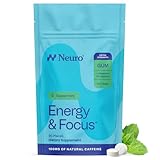
- Fast-Acting Nootropic - Our energy supplements deliver an extra boost of energy and clarity with a blend of natural caffeine, L-theanine, and vitamin b6 & b12. Your go-to chewing gum for work, exercise, and daily focus!
- Clean Energy - Each piece of our sugar free gum delivers 100mg of natural caffeine from green coffee beans for a smooth energy boost without crashes or jitters.
- The Perfect Balance - With 60mg of L-theanine per piece, our energy and focus formula promotes enhanced focus and stress reduction to smooth energy boosts.
- How to Use - Chew one piece of the caffeine gum whenever focus or energy is lacking. Ideal for mornings, pre-workout, or afternoon slumps. Effects typically kick in within minutes thanks to optimal absorption through the mouth.
- Made by Neuro, Backed by Science - At Neuro, we combine neuroscience with clean, science backed ingredients to help you do more, think better, and feel your best every single day.
- Does coffee affect my kids’ sleep differently?
Children are often more sensitive to caffeine than adults. Even small amounts can significantly impact their sleep patterns and behavior.
What this page does NOT cover (and where to go next)
- Specific caffeine content in different coffee drinks. (Check your favorite cafe’s info or the coffee bag.)
- Detailed explanations of sleep stages. (Look into sleep science resources.)
- Medical advice for chronic sleep issues. (Consult a doctor or sleep specialist.)
- Recipes for coffee drinks. (Plenty of great recipe sites out there.)
- The history of coffee. (A fascinating journey, but not for sleep advice.)
- Detailed genetic testing for caffeine metabolism. (That’s a whole other rabbit hole.)