
Does Black Coffee Cause Bloating?
Quick Answer: Does Black Coffee Make You Bloat?
- Black coffee itself is unlikely to be the primary cause of bloating for most people.
- Bloating from coffee is more often linked to additives like milk, cream, or artificial sweeteners.
- Certain compounds in coffee, like acids and caffeine, can affect digestion for sensitive individuals.
- Consuming coffee too quickly or on an empty stomach can contribute to gas and bloating.
- Underlying digestive issues may be exacerbated by coffee consumption, not directly caused by it.
- If you consistently experience bloating after drinking black coffee, consider other dietary factors or consult a healthcare professional.
What This Problem Usually Is (and is Not)
- This problem is usually about how your body reacts to coffee’s natural components or how you consume it, rather than coffee being inherently harmful.
- It is not about black coffee being a direct cause of a medical condition like irritable bowel syndrome (IBS), though it can sometimes trigger symptoms.
- It’s not about coffee causing significant, long-term digestive damage in healthy individuals.
- It is about temporary discomfort, gas, or a feeling of fullness that some people associate with drinking coffee.
- This is not a universal reaction; many people drink black coffee without experiencing any bloating.
- The focus is on identifying and managing individual sensitivities and consumption habits.
Likely Causes of Bloating When Drinking Coffee (Triage List)
Additives and Mix-ins:
- Dairy Products: Milk, cream, or half-and-half can cause bloating in lactose-intolerant individuals. Check if symptoms appear only when you add dairy.
- Artificial Sweeteners: Some sugar substitutes can ferment in the gut, leading to gas and bloating. Note if you use sweeteners and when bloating occurs.
- Flavored Syrups: These often contain sugars or other ingredients that can be hard to digest. Observe if bloating is linked to flavored drinks.
Coffee Consumption Habits:
- Drinking Too Quickly: Swallowing air while drinking rapidly can lead to gas. Notice if you tend to gulp your coffee.
- Consuming on an Empty Stomach: Coffee can stimulate stomach acid production, which might cause discomfort for some. Consider if you drink coffee before eating.
- Caffeine Sensitivity: Caffeine can speed up digestion, which might cause cramping or a feeling of urgency for some, perceived as bloating. Assess your general caffeine sensitivity.
Coffee Properties:
- Acidity: The natural acids in coffee can sometimes irritate the stomach lining. This is more common with certain roast levels or brew methods.
- Carbonation (in some cold brews): While rare, some commercial cold brews might have added carbonation, which directly causes gas. Confirm if your coffee is carbonated.
Underlying Digestive Issues:
- Irritable Bowel Syndrome (IBS) or Other Sensitivities: Coffee can be a trigger for pre-existing digestive conditions. If you have known sensitivities, coffee might exacerbate them.
Fix It Step-by-Step: Brewing Black Coffee for Less Bloating
1. Choose Your Coffee Beans:
- What to do: Select coffee beans. For potentially less acidity, consider darker roasts or beans labeled “low acid.”
- What “good” looks like: Beans that are fresh and have a pleasant aroma.
- Common mistake: Buying pre-ground coffee that has lost freshness and can have a more pronounced taste, including acidity.
- Avoid it: Grind your beans just before brewing for optimal flavor and potentially reduced perceived acidity.
2. Grind Your Beans:
- What to do: Grind the beans to a consistency appropriate for your brewing method (e.g., medium for drip, coarse for French press).
- What “good” looks like: A consistent grind size that matches your brewer’s filter.
- Common mistake: Grinding too fine for a drip machine, which can lead to over-extraction and a bitter, potentially more acidic cup.
- Avoid it: Use a burr grinder for consistency. Check your coffee maker’s manual for recommended grind size.
3. Prepare Your Water:
- What to do: Use filtered water. Avoid distilled or overly hard tap water.
- What “good” looks like: Clear, odorless water.
- Common mistake: Using tap water with strong chlorine or mineral flavors, which can affect the coffee’s taste and your digestion.
- Avoid it: Store filtered water in a clean container.
4. Heat Your Water:
- What to do: Heat water to the optimal brewing temperature, typically between 195°F and 205°F.
- What “good” looks like: Water that is hot but not boiling.
- Common mistake: Using boiling water, which can scorch the coffee grounds and extract bitter, acrid compounds.
- Avoid it: Let boiling water sit for about 30 seconds before pouring, or use a temperature-controlled kettle.
5. Prepare Your Brewer:
- What to do: Ensure your coffee maker and any filters are clean. Rinse paper filters with hot water to remove any papery taste.
- What “good” looks like: A clean brewing device and a filter that’s ready to go.
- Common mistake: Not rinsing paper filters, leaving a papery taste that can be unpleasant.
- Avoid it: Place the filter in the basket and pour some hot water through it, discarding the rinse water.
Ensure your coffee maker and any filters are clean. A well-maintained drip coffee maker can contribute to a smoother brew.
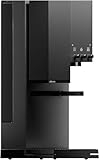
- 1. Three Levels of Automation for Any Skill Level: Choose from Autopilot, Copilot, or Free Solo mode. Autopilot handles the entire brewing process automatically. Copilot provides step-by-step guidance. Free Solo gives you full manual control. This coffee machine works for beginners and professional baristas alike.
- 2. Intuitive User Interface with Tactile Knobs and LED Matrix: The Studio features physical control knobs and a clear LED Matrix display. You can adjust grind size, water temperature, and flow rate in real time without navigating complicated touchscreen menus.
- 3. Full Customization via the xBloom App: Use the xBloom app to create, adjust, save, and share your favorite coffee recipes. Every brewing parameter can be fine-tuned and synced to the machine instantly. Your perfect cup is saved and repeatable.
- 4. Compostable xPod System for Minimal Waste and Maximum Flavor: Each xPod contains carefully selected whole beans and a built-in filter. Tap the recipe card, pour the beans into the grinder, place the pod into the dock, and press start. No capsules, no extra paper filters, no unnecessary waste.
- 5. What Is Included in the Box: The package includes the xBloom Studio, Omni Dripper 2 with Hyperflow Bottom, 10 paper filters, xPod Dock, Magnetic Dosing Cup, default recipe card, quick start guide, cleaning brush, universal power cord, and a 2-Year xbloom brand warranty. Everything you need is included—along with long-term peace of mind.
6. Add Coffee Grounds:
- What to do: Measure your coffee grounds using a scale for accuracy. A common starting ratio is 1:15 to 1:18 (coffee to water by weight). For example, 20 grams of coffee to 300-360 grams (about 10-12 oz) of water.
- What “good” looks like: The correct amount of coffee for the amount of water being used.
- Common mistake: Eyeballing the amount of coffee, leading to an inconsistent brew strength and potentially over- or under-extraction.
- Avoid it: Invest in a simple kitchen scale.
7. Brew Your Coffee:
- What to do: Add the hot water to your coffee maker and begin the brewing process.
- What “good” looks like: A steady flow of coffee into the carafe or mug.
- Common mistake: Rushing the brew cycle or leaving grounds in contact with water for too long, both affecting extraction.
- Avoid it: Follow your coffee maker’s instructions for the brew time.
8. Serve and Sip Slowly:
- What to do: Pour your freshly brewed black coffee into a mug.
- What “good” looks like: A warm, aromatic cup of coffee.
- Common mistake: Adding milk, cream, sugar, or sweeteners immediately if you suspect they are the cause of bloating.
- Avoid it: Taste the black coffee first. If you feel the need to add something, consider it a separate experiment.
9. Consume Mindfully:
- What to do: Drink your coffee slowly, paying attention to how your body feels. Avoid drinking on a completely empty stomach if you’re sensitive.
- What “good” looks like: Enjoying your coffee without immediate discomfort.
- Common mistake: Gulping your coffee down quickly, which can lead to swallowing excess air.
- Avoid it: Take small sips and savor the taste.
Prevent It Next Time
- Clean Regularly: Rinse your coffee maker components daily and perform a deeper clean weekly to prevent residue buildup.
- Descale Periodically: Descale your coffee maker every 1-3 months, depending on water hardness and usage, to remove mineral deposits.
- Use Filtered Water: Always use fresh, filtered water to avoid introducing unwanted minerals or flavors that can affect taste and digestion.
- Store Coffee Properly: Keep whole beans in an airtight container in a cool, dark place. Avoid refrigerating or freezing.
- Measure Accurately: Use a kitchen scale to consistently measure coffee grounds and water for the correct brew ratio.
- Grind Fresh: Grind beans just before brewing for the best flavor and aroma.
- Observe Additives: If you add anything to your coffee, test drinking it black first to isolate potential triggers.
- Mindful Consumption: Drink your coffee slowly, avoiding gulping, and consider having a small snack beforehand if you have a sensitive stomach.
- Check Machine Health: Ensure all parts of your coffee maker are functioning correctly and that there are no leaks or unusual noises.
- Listen to Your Body: Pay attention to how you feel after drinking coffee and adjust your habits accordingly.
Common Mistakes (and What Happens If You Ignore Them)
| Mistake | What It Causes | Fix |
|---|---|---|
| Not cleaning the coffee maker | Stale coffee residue, bitter taste, potential for mold growth | Rinse carafe and brew basket daily; deep clean and descale regularly. |
| Using pre-ground coffee | Stale flavor, faster oxidation, less control over grind size | Buy whole beans and grind them just before brewing. |
| Using tap water with strong flavors | Off-tastes in coffee, mineral buildup in machine | Use filtered water. |
| Brewing with boiling water | Scorched grounds, bitter and acrid taste, potential for increased acidity | Use water between 195°F and 205°F. |
| Adding milk/cream if lactose intolerant | Gas, bloating, stomach cramps, digestive discomfort | Try dairy-free alternatives or drink black coffee. |
| Drinking coffee too quickly | Swallowing excess air, leading to gas and bloating | Sip your coffee slowly and mindfully. |
| Using artificial sweeteners | Digestive upset, gas, bloating due to fermentation in the gut | Switch to natural sweeteners like honey or maple syrup in moderation, or drink black. |
| Not rinsing paper filters | Papery taste in the final brew | Rinse paper filters with hot water before adding grounds. |
| Inconsistent coffee-to-water ratio | Weak or overly strong coffee, under- or over-extraction, inconsistent taste | Use a kitchen scale to measure coffee and water accurately. |
| Ignoring pre-existing digestive issues | Coffee exacerbating symptoms of IBS or other sensitivities | Consult a healthcare professional about managing your digestive condition and potential triggers. |
Decision Rules (Simple If/Then)
- If you experience bloating only when adding milk or cream, then the dairy is likely the cause because lactose intolerance is common.
- If bloating occurs with all types of coffee, including black, then consider the coffee’s acidity or your caffeine sensitivity.
- If you drink your coffee very quickly, then swallowing air is a likely contributor to bloating.
- If you drink coffee on an empty stomach and feel discomfort, then try having a small snack first to buffer the acidity.
- If you use artificial sweeteners and experience bloating, then the sweetener is a potential culprit due to gut fermentation.
- If your coffee tastes bitter or burnt, then the water might have been too hot, leading to over-extraction.
- If your brewed coffee tastes weak and sour, then the grind might be too coarse or the water temperature too low, causing under-extraction.
- If you notice a papery taste, then you likely forgot to rinse your paper filter.
- If you have a known digestive condition like IBS, then coffee might be a trigger, and you may need to moderate your intake or consult your doctor.
- If your coffee maker has visible mineral buildup, then descaling is necessary to ensure proper function and taste.
- If you experience gas or cramping after drinking coffee, try switching to a darker roast or cold brew, as they can be less acidic.
- If your bloating is persistent and severe, then it’s best to consult a healthcare professional to rule out underlying medical issues.
FAQ
Q: Is black coffee dehydrating and does that cause bloating?
A: Caffeine is a mild diuretic, meaning it can increase urination. However, the water content in coffee usually offsets this effect, and it’s generally not considered a major cause of dehydration leading to bloating.
Q: Can dark roast coffee cause less bloating than light roast?
A: Darker roasts are often perceived as less acidic due to the roasting process, which can make them easier on the stomach for some individuals sensitive to acidity.
Q: What is the best time of day to drink coffee to avoid bloating?
A: For some, drinking coffee with or after a meal can help buffer stomach acids and reduce discomfort compared to drinking it on an empty stomach.
Q: How much coffee is too much if I’m prone to bloating?
A: There’s no universal amount, but if you experience bloating, try reducing your intake to one cup and see if that helps. Listen to your body.
Q: Does cold brew coffee cause less bloating than hot coffee?
A: Cold brewing typically results in a less acidic coffee, which can be gentler on the stomach and may reduce bloating for sensitive individuals.
Q: Can the type of coffee maker affect bloating?
A: While the brewer itself doesn’t directly cause bloating, a poorly maintained or dirty machine can lead to off-flavors and potential digestive upset.
Q: What if I’m not lactose intolerant but still bloat from coffee with milk?
A: You might have a sensitivity to milk proteins (casein or whey) rather than lactose, or the fat content might be an issue.
Q: Should I stop drinking coffee if it causes bloating?
A: Not necessarily. Try identifying the specific trigger (additives, consumption speed, type of coffee) and adjusting your habits before giving it up entirely.
Q: Are there any natural remedies for coffee-induced bloating?
A: Some people find relief from sipping herbal teas like peppermint or ginger after coffee, or by incorporating probiotics into their diet.
What This Page Does NOT Cover (and Where to Go Next)
- Specific medical diagnoses: This page does not diagnose conditions like IBS or other gastrointestinal disorders. If you suspect a medical issue, consult a doctor.
- Detailed nutritional breakdowns of coffee additives: While we mention common culprits, a full analysis of every syrup or creamer ingredient is beyond scope.
- Brand-specific product recommendations: We avoid recommending specific coffee brands or brewing equipment.
- Advanced brewing techniques for specific flavor profiles: This guide focuses on minimizing digestive discomfort, not on achieving a perfect espresso shot or pour-over.
- Detailed information on caffeine’s physiological effects: While caffeine is mentioned as a factor, a deep dive into its impact on the nervous system is not covered.
Where to go next:
- Consult your physician or a registered dietitian for personalized health advice.
- Explore resources on digestive health and common food sensitivities.
- Research different coffee bean origins and roast profiles for varying acidity levels.
- Look into various brewing methods and their potential impact on coffee’s chemical composition.