
What Makes Kona Coffee So Unique and Prized?
Quick Answer
- Grown in a specific microclimate on the slopes of Hawaiian volcanoes.
- Unique volcanic soil and rainfall patterns contribute to its flavor.
- Hand-picked cherries ensure only ripe beans are harvested.
- Slow growth process develops complex sugars and acids.
- Limited growing region means high demand and limited supply.
- Often associated with a smooth, balanced, and aromatic cup.
Key Terms and Definitions
- Kona Coffee: Coffee beans grown exclusively in the North and South Kona districts of the Big Island of Hawaii.
- Volcanic Soil: Soil enriched by minerals from volcanic activity, offering a unique nutrient profile.
- Microclimate: A specific, localized climate within a larger region, crucial for Kona’s growing conditions.
- Arabica Varietal: The dominant species of coffee plant grown in Kona, known for its nuanced flavors. Typica is common.
- Hand-Picking: The process of selectively picking only ripe coffee cherries, ensuring quality.
- Altitude: The elevation at which coffee is grown, impacting bean density and flavor development. Kona beans grow at moderate elevations.
- Rainfall: Essential for coffee plant growth, Kona receives a specific amount of rain, often supplemented by irrigation.
- Sunlight: The amount and intensity of sun exposure, balanced by cloud cover, affects bean maturation.
- Processing: How the coffee cherry is treated after picking (e.g., washed, natural) to remove the fruit and prepare the bean.
- Roast Profile: How long and at what temperature the beans are roasted, significantly influencing the final taste.
How Kona Coffee is Grown and Processed
- Location, Location, Location: It all starts with the slopes of Hualalai and Mauna Loa volcanoes on the Big Island. That’s the only place true Kona coffee can come from.
- The Right Dirt: Volcanic soil is packed with minerals. It’s fertile ground, literally, for coffee plants.
- Perfect Weather: Think sunny mornings, cloudy afternoons, and gentle rain. This microclimate is key. It’s not too hot, not too cold.
- Gentle Growth: Coffee plants here grow slower than in many other regions. This slow maturation allows sugars and acids to develop fully.
- Hand-Selected Cherries: Workers meticulously pick only the ripe coffee cherries by hand. No machines here, just careful selection. This ensures only the best beans make it.
- Washed Process is Common: Most Kona coffee is processed using the washed method. This removes the fruit pulp before drying, leading to a cleaner cup profile.
- Drying Time: Beans are dried carefully, often on patios, to the right moisture level. This step is critical for flavor preservation.
- Roasting: Once dried and milled, the beans are roasted. The roast brings out the inherent flavors. Lighter to medium roasts are popular to showcase the bean’s natural characteristics. I usually go for a medium roast myself.
What Affects Kona Coffee’s Unique Flavor
- The Soil: Rich, mineral-laden volcanic soil is a game-changer. It provides a unique nutrient base.
- The Climate: The specific combination of sun, rain, and mild temperatures in the Kona districts is irreplaceable. It’s a delicate balance.
- Altitude: Most Kona coffee is grown between 800 and 2,000 feet. This elevation contributes to denser beans and complex flavors.
- Varietal: While often labeled simply as “Kona,” the specific Arabica varietals, like Typica, grown there have inherent flavor qualities.
- Hand-Picking Quality: The commitment to picking only ripe cherries means fewer defects and a more uniform flavor profile. This is a labor of love.
- Processing Method: The washed process, common in Kona, typically results in a clean, bright cup.
- Roast Level: A light to medium roast is usually preferred to highlight Kona’s natural sweetness and subtle notes. Over-roasting can mask its character.
- Freshness: Like all coffee, freshly roasted Kona beans will taste best. Stale beans lose their vibrancy.
- Water Quality: While not unique to Kona, using good, filtered water is essential for any great cup of coffee.
- Farming Practices: Sustainable farming and careful cultivation by generations of farmers play a role.
- Wind Patterns: Gentle ocean breezes can help moderate temperatures and provide some natural irrigation.
- Shade Management: Natural shade from surrounding vegetation or carefully planted shade trees can slow bean maturation, enhancing complexity.
Pros, Cons, and When Kona Coffee Matters
- Pro: Exceptional Flavor Profile: Known for smoothness, balanced acidity, and aromatic qualities. Often described as having notes of chocolate, fruit, or nuts.
- Con: High Price Point: Due to limited growing area, meticulous farming, and high demand, Kona coffee is expensive.
- Pro: High Quality Control: The emphasis on hand-picking and careful processing generally leads to a very consistent, high-quality product.
- Con: Limited Availability: True 100% Kona coffee is scarce. This makes it hard to find consistently.
- Pro: Unique Terroir: The combination of volcanic soil, climate, and altitude creates a flavor profile you can’t find anywhere else.
- Con: Misleading Labels: Be wary of “Kona Blend” coffees. They often contain only a small percentage of actual Kona beans. Always check the label.
- Pro: Great for Special Occasions: Its premium status makes it a fantastic treat for yourself or a gift.
- Con: Can Be Over-Roasted: If you prefer a very dark roast, you might lose the subtle nuances that make Kona special.
- Pro: Smoothness: Many people find Kona coffee exceptionally smooth, with little bitterness.
- Con: Not Always the “Boldest”: If you’re chasing a super-intense, dark-roast flavor, Kona might not be your daily driver.
- Pro: Supports Hawaiian Agriculture: Buying genuine Kona coffee supports local farmers and the Hawaiian economy.
- When it Matters: It matters when you want to experience a truly distinct and refined coffee. It’s for moments when you appreciate quality and unique origin.
If you’re looking for a truly exceptional coffee experience, 100% Kona coffee is a fantastic choice for special occasions. Its smooth, balanced flavor profile is a premium treat.
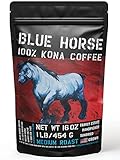
- OUR BRAND STORY: Monumental volcanoes and lush, verdant steep slopes make Kona, Hawaii a special place on earth. The high elevation, mountain slopes, mineral and nutrient-rich volcanic soil, and cooler temperatures create perfect conditions for coffee. It’s where Blue Horse 100% Kona Coffee was born. It's where we grow the world's best and most famous Kona coffee - right here in the USA.
- 100% HAWAII KONA (NOT A BLEND!): Kona Estate Quality - Made of finest premium Kona coffee beans, grown in Hawaii, USA. The beans we use for our compatible K-cups are the same we use for our whole bean packages (not broken and inferior beans that many other brands grind up and hide in their capsules).
- FARM-FRESH, SUSTAINABLE: Our coffee is shade grown, handpicked, sun dried, and rainwater washed (means more work for us but more flavor for you).
- CLASSIC ROAST: This slightly darker medium roast profile is our most popular classic roast and the most common roast level within the Kona Coffee Belt. Best in a French Press, Pour-Over, or Drip Coffee maker.
- DELICIOUS TASTE: Blue Horse 100% Kona coffee beans have complex fragrant, floral notes with a lingering sweetness. These premium pure Kona beans are medium brown in appearance with spots of aromatic oils. Aromatic, nut-like scents created in the island's rain forest will fill your senses and seep into your veins. Enjoy hints of almonds and tropical vanilla with a light, velvety body.
Common Misconceptions About Kona Coffee
- Myth: All Hawaiian Coffee is Kona Coffee: False. Kona is a specific region. Other Hawaiian islands and regions produce excellent coffee, but it’s not Kona.
- Myth: “Kona Blend” Means It’s Mostly Kona: Not at all. A blend can contain as little as 10% Kona beans and still be labeled as such. Read the fine print.
- Myth: Kona Coffee is Always Dark and Bold: While it can be roasted dark, its true character is often best appreciated in lighter to medium roasts, revealing its nuanced flavors.
- Myth: Kona Coffee Grows Anywhere in Hawaii: Nope. The specific volcanic soil and microclimate of the Kona districts are crucial. You can’t just plant it anywhere.
- Myth: It Tastes Like Any Other Good Arabica: While it’s an Arabica varietal, the unique terroir of Kona gives it a distinct profile that sets it apart from other Arabicas.
- Myth: It’s Only Grown at High Altitudes: Kona is grown at moderate elevations, typically between 800 and 2,000 feet, which is different from some high-altitude growing regions.
- Myth: All Kona Coffee is Expensive: While 100% Kona is premium, there are different grades and processing methods that can affect price. However, expect to pay more for the real deal.
- Myth: You Need Special Equipment to Brew It: Any good brewing method will work. The quality of the bean is the primary factor; your brewer just needs to be clean and functional.
FAQ
- What does Kona coffee taste like?
It’s generally described as smooth, balanced, and aromatic, often with subtle notes of chocolate, nuts, or fruit. It’s rarely bitter.
- Is 100% Kona coffee worth the price?
For coffee enthusiasts who appreciate nuanced flavors and a unique origin story, yes. It’s a premium experience. For a casual drinker, the price might be hard to justify daily.
- How can I tell if it’s real Kona coffee?
Look for “100% Kona Coffee” on the label. Be very skeptical of “Kona Blend” unless you’re okay with mostly non-Kona beans. Check the origin statement.
- What’s the difference between Kona coffee and other Hawaiian coffees?
Kona is grown in a specific region on the Big Island. Other Hawaiian coffees come from different islands or districts, each with its own unique soil and climate.
- Can I grow Kona coffee at home?
While you might be able to grow an Arabica plant in a suitable climate, you won’t get true “Kona coffee” without the specific volcanic soil and microclimate of the Kona districts.
- What roast level is best for Kona coffee?
Light to medium roasts are generally recommended to preserve its delicate flavors and aromas. Darker roasts can overpower its unique characteristics.
- How should I store my Kona coffee beans?
Store them in an airtight container in a cool, dark place, away from heat and moisture. Avoid the refrigerator or freezer for daily use.
What This Page Does Not Cover (and Where to Go Next)
- Specific farm recommendations or producer reviews. (Look for coffee review sites or forums.)
- Detailed comparisons of different Kona varietals. (Explore coffee blogs focusing on origins.)
- Advanced brewing techniques for maximizing nuanced flavors. (Check out guides on pour-over or espresso.)
- The history of coffee cultivation in Hawaii beyond the Kona region. (Research books on coffee history or Hawaiian agriculture.)
- Roasting profiles and home roasting advice. (Search for resources on home coffee roasting.)