
Does Decaf Coffee Actually Keep You Awake?
Quick answer
- Decaf coffee still has a small amount of caffeine, but usually not enough to cause significant wakefulness for most people.
- Individual sensitivity to caffeine varies greatly.
- Other compounds in coffee can contribute to its aroma and flavor, which some find stimulating.
- The ritual of drinking coffee can also be a psychological wake-up call.
- If you’re sensitive, even a little caffeine might make a difference.
- For truly zero caffeine, look for “naturally caffeine-free” herbal teas.
If you’re looking for a truly caffeine-free option, consider exploring naturally caffeine-free herbal teas or specially processed caffeine-free coffee.
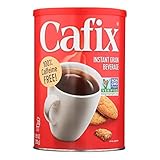
- Instant Beverage; 100% Caffeine Free
- No Artificial Ingredients
- No refined Sugar
Key terms and definitions
- Caffeine: A natural stimulant found in coffee, tea, and other plants. It’s the primary compound that makes coffee “wake you up.”
- Decaffeination: The process of removing most of the caffeine from coffee beans.
- Solvent-based decaffeination: Uses chemical solvents to extract caffeine.
- Swiss Water Process: A solvent-free method using water to extract caffeine.
- CO2 process: Uses supercritical carbon dioxide to remove caffeine.
- Residual caffeine: The small amount of caffeine left in decaf coffee after processing.
- Stimulant: A substance that increases activity in the central nervous system.
- Placebo effect: A beneficial effect produced by a placebo drug or treatment, which cannot be attributed to the properties of the placebo itself, and must therefore be assumed to be the result of the patient’s belief in that treatment.
- Sensory stimulation: The effect of smells, tastes, and rituals on alertness.
- Adenosine: A neurotransmitter in your brain that promotes sleep. Caffeine blocks adenosine receptors.
How it works
- Coffee beans naturally contain caffeine.
- Decaffeination processes aim to remove 97% or more of the caffeine.
- Even after decaffeination, a small amount of caffeine remains.
- This residual caffeine is usually around 2-15 milligrams per 8 oz cup, compared to 80-100+ mg in regular coffee.
- The decaffeination process itself doesn’t add stimulant properties.
- The remaining caffeine can still interact with your brain’s adenosine receptors.
- For some, this small amount is enough to feel a subtle effect.
- Others are less sensitive and won’t notice it.
- The aroma and warmth of the coffee can also play a role in feeling more alert.
- It’s a combination of chemistry and psychology.
What affects the result
- Amount of residual caffeine: Different decaf processes leave slightly different amounts.
- Your personal caffeine sensitivity: This is the biggest factor. Some folks are wired differently.
- How much decaf you drink: More coffee, more potential caffeine.
- What else you’ve consumed: Other stimulants or depressants can change how you react.
- The specific decaffeination method: Some methods are more thorough than others.
- The bean itself: Different coffee bean varieties can have slightly different caffeine levels to start.
- The brewing method: How you brew decaf can slightly impact extraction, though less so than with regular coffee.
- Your sleep quality: If you’re already exhausted, even a tiny bit of caffeine might seem more potent.
- The time of day: Your body’s natural rhythms play a part.
- Your expectations: Believing it will keep you awake can influence how you feel.
- Other compounds in coffee: Coffee has hundreds of compounds beyond caffeine that affect flavor and aroma, which can be perceived as stimulating.
- The placebo effect: Sometimes, it’s all in your head, in a good way.
Pros, cons, and when it matters
- Pro: Can satisfy coffee cravings without the jitters.
- Con: Still contains a small amount of caffeine, which might affect sensitive individuals.
- Pro: Good for late-day coffee drinkers who want the ritual.
- Con: Might not be truly “caffeine-free” for those with extreme sensitivity.
- Pro: The flavor and aroma can still be enjoyable and mentally stimulating.
- Con: The decaffeination process can sometimes alter the coffee’s flavor profile.
- Pro: A good option for people trying to reduce their overall caffeine intake.
- Con: If you’re looking for a guaranteed zero-caffeine beverage, decaf isn’t it.
- Pro: Can be a social lubricant – the act of sharing coffee.
- Con: The “wakefulness” effect might be psychological rather than purely chemical.
- Pro: Many decaf options taste quite good these days.
- Con: May not provide the same energy boost as regular coffee for those who rely on it.
- When it matters: If you’re highly sensitive to caffeine, pregnant, or trying to cut out caffeine completely.
- When it matters: If you enjoy the taste and ritual of coffee but want to avoid sleep disruption.
Common misconceptions
- Myth: Decaf coffee has zero caffeine.
- Reality: It has a small, residual amount, typically less than 15 mg per cup.
- Myth: All decaf coffee is the same.
- Reality: Different decaffeination methods exist, and they can leave slightly different amounts of caffeine.
- Myth: Decaf coffee will never keep you awake.
- Reality: For some highly sensitive individuals, the residual caffeine can still have an effect.
- Myth: Decaffeination uses harsh chemicals that are bad for you.
- Reality: While some methods use solvents, they are generally considered safe, and solvent-free methods are also popular.
- Myth: Decaf coffee tastes significantly worse than regular coffee.
- Reality: Modern decaffeination processes have improved, and many decafs are quite flavorful.
- Myth: The “wake up” feeling from decaf is purely psychological.
- Reality: While psychology plays a role, the residual caffeine is a chemical stimulant.
- Myth: You can decaffeinate coffee at home easily.
- Reality: Home methods are generally ineffective at removing significant amounts of caffeine.
- Myth: Decaf coffee is bad for your health.
- Reality: Decaf coffee offers many of the same health benefits as regular coffee, minus the high caffeine.
FAQ
Q: Can decaf coffee make you awake if you’re sensitive to caffeine?
A: Yes, it’s possible. Even though most caffeine is removed, the residual amount can affect highly sensitive individuals. Your personal tolerance is key here.
Q: How much caffeine is actually in decaf coffee?
A: Typically, an 8 oz cup of decaf coffee contains around 2-15 milligrams of caffeine. This is significantly less than the 80-100+ milligrams found in regular coffee.
Q: Are there different types of decaf coffee?
A: Yes, there are. The main differences lie in the decaffeination process used, such as the Swiss Water Process (solvent-free) or solvent-based methods.
Q: Does the decaffeination process affect the taste of the coffee?
A: It can, but modern methods have greatly improved. Some people notice a slight difference, while others find decaf to be very similar in taste to regular coffee.
Q: If decaf has caffeine, why do people drink it?
A: People drink decaf to enjoy the flavor and ritual of coffee without the strong stimulant effects of caffeine, especially later in the day.
Q: What’s the best way to brew decaf coffee?
A: The best way is similar to brewing regular coffee – use fresh beans, the right grind size for your brewer, and good water. The brewing method itself doesn’t change much.
Q: Is decaf coffee really an option for someone trying to avoid all caffeine?
A: For most people, yes. But if you’re extremely sensitive or have a medical reason to avoid all caffeine, you might need to opt for naturally caffeine-free beverages.
Q: Can the smell of coffee wake you up, even if it’s decaf?
A: Absolutely. The aroma of coffee is known to be stimulating for many people. This sensory experience can contribute to feeling more alert, regardless of caffeine content.
What this page does NOT cover (and where to go next)
- Specific caffeine content by brand or decaffeination process. (Check product packaging or manufacturer websites).
- Detailed health benefits or risks associated with caffeine consumption. (Consult a healthcare professional or reputable health resources).
- The science behind different decaffeination chemical processes. (Look for articles on coffee processing science).
- How to choose the “best tasting” decaf coffee. (Explore coffee review sites and tasting notes).
- The impact of caffeine on specific medical conditions. (Discuss with your doctor).