
Can Decaf Coffee Still Make You Feel Jittery?
Quick answer
- Decaffeinated coffee is not 100% caffeine-free; it contains a small amount of residual caffeine.
- The amount of caffeine in decaf is typically around 2-15 mg per 8 oz cup, compared to 95-200 mg in regular coffee.
- Some individuals are highly sensitive to even small amounts of caffeine and may experience mild jitteriness.
- Psychological factors, such as expectation or placebo effect, can also contribute to feeling jittery after drinking decaf.
- Other compounds in coffee, beyond caffeine, or added ingredients like sugar, might also induce similar sensations.
- For most people, the caffeine content in decaf is too low to cause noticeable jitters.
Key terms and definitions
- Decaffeination: The process of removing caffeine from coffee beans.
- Caffeine sensitivity: An individual’s physiological response to caffeine, varying widely among people.
- Jitters: A feeling of nervousness, restlessness, or mild trembling, often associated with caffeine intake.
- Placebo effect: A beneficial outcome resulting from a person’s expectation that a treatment will work, rather than from the treatment itself.
- Theobromine: A mild stimulant found in coffee (and chocolate) that can have some effects similar to caffeine.
- Chlorogenic acids: Antioxidants present in coffee that can influence digestion and metabolism.
- Adenosine receptors: Brain receptors that caffeine blocks, leading to increased alertness.
- Residual caffeine: The small amount of caffeine that remains in coffee beans after the decaffeination process.
- Anxiety: A feeling of worry, nervousness, or unease, often triggered by stress or certain substances.
- Half-life of caffeine: The time it takes for the body to eliminate half of the caffeine consumed, typically 3-5 hours.
How it works
- Decaffeination processes extract caffeine from green coffee beans before roasting.
- Common methods include solvent-based processes (e.g., methylene chloride, ethyl acetate) and non-solvent processes (e.g., Swiss Water Process, CO2 method).
- Solvent methods typically involve soaking beans in water, then introducing a chemical solvent to bind with caffeine molecules.
- Non-solvent methods often use water to extract caffeine, sometimes with activated carbon or CO2 to separate the caffeine.
- After caffeine extraction, the beans are rinsed thoroughly to remove residual solvents or processed water.
- The beans are then dried and roasted, just like regular coffee beans.
- No decaffeination method removes 100% of the caffeine; a small amount always remains.
- The FDA sets standards for decaffeinated coffee, requiring 97% of the caffeine to be removed.
- This means an 8 oz cup of decaf coffee, which might have started with 100 mg of caffeine, would typically end up with 3 mg or less.
- However, actual residual caffeine can vary based on the original bean, processing method, and brewing.
If you’re curious about the science behind caffeine removal, exploring different decaffeination methods like the CO2 process can be fascinating. This method is known for its effectiveness in extracting caffeine while preserving the coffee’s flavor. For more details, see our Ryze Mushroom Coffee. For more details, see our Does Black Coffee Help with Bloating. For more details, see our Build a Simple Coffee Cup Calorimeter. For more details, see our Coffee’s Effect on Spiders.
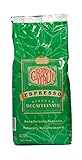
Grande Italia Decaf Whole Bean Espresso, Miscela Decaffeinato, 1lb
- Artisan Roasted, Decaf Espresso Whole Bean, 16oz.
- Traditional Italian blend
- So rich and full-bodied, you can’t tell it’s decaf!
- Naturally decaffeinated using the CO2 process
What affects the result
- Residual caffeine levels: The specific decaffeination process and the original caffeine content of the bean influence how much caffeine remains.
- Individual caffeine sensitivity: Some people are genetically predisposed to metabolize caffeine slower or have more sensitive adenosine receptors, making them react to smaller doses.
- Brewing method: A stronger brew (e.g., espresso vs. drip) might extract slightly more of the residual caffeine per serving.
- Serving size: Drinking a larger volume of decaf coffee will naturally increase the total amount of residual caffeine consumed.
- Other coffee compounds: Non-caffeine compounds in coffee, like theobromine or chlorogenic acids, might have very mild stimulating effects for some individuals.
- Sugar and additives: If you add sugar, syrups, or other stimulants to your decaf, these can contribute to a jittery feeling.
- Hydration status: Dehydration can sometimes mimic or exacerbate feelings of restlessness or anxiety.
- Psychological factors: The expectation of feeling energized or jittery, even from decaf, can trigger a placebo effect.
- Overall health and stress levels: When already stressed or anxious, even minor stimuli can feel amplified.
- Time of day: Consuming even small amounts of caffeine late in the day might interfere with sleep for sensitive individuals, leading to daytime fatigue that can feel like jitters.
Pros, cons, and when it matters if will decaf coffee make me jittery
- Pros:
- Allows individuals sensitive to caffeine to enjoy the taste and ritual of coffee without significant stimulant effects.
- Can be consumed later in the day without major disruption to sleep patterns for most people.
- Provides a lower-caffeine option for those looking to reduce their overall intake.
- Offers antioxidant benefits similar to regular coffee, as these compounds are largely retained.
- Can help satisfy coffee cravings without the potential for strong caffeine-induced anxiety.
- Suitable for individuals with certain medical conditions where caffeine is contraindicated.
- Cons:
- Still contains a small amount of caffeine, which might be an issue for extremely sensitive individuals.
- Some decaffeination processes can slightly alter the flavor profile of the coffee.
- Can be slightly more expensive due to the additional processing steps.
- The expectation of feeling jittery, even if unwarranted, can lead to perceived symptoms.
- May not fully satisfy those accustomed to the strong stimulant effect of regular coffee.
- When it matters:
- If you are highly sensitive to caffeine and experience strong reactions to even small amounts.
- If you are trying to completely eliminate caffeine from your diet for health reasons.
- If you are pregnant or breastfeeding and monitoring caffeine intake very closely.
- If you are taking medications that interact with caffeine.
- If you are experiencing anxiety or sleep issues and want to rule out all potential caffeine sources.
- If you are considering decaf as a complete substitute for regular coffee for stimulant effects.
Common misconceptions
- Decaf coffee is 100% caffeine-free: This is incorrect; decaf coffee always contains a small, residual amount of caffeine.
- All decaf coffee tastes inferior to regular coffee: While some decaf processes can affect flavor, modern methods have greatly improved, and many decafs taste excellent.
- Decaf coffee is unhealthy due to chemical processing: Reputable decaffeination methods are regulated and designed to remove solvents to safe levels. Water-based methods are also widely available.
- You can’t get any kind of “boost” from decaf: While it won’t provide a significant caffeine boost, the ritual, warmth, and flavor can still be uplifting for many.
- If you feel jittery after decaf, it must be the caffeine: Other factors like sugar, anxiety, or the placebo effect are often more likely culprits for most people.
- All decaf coffee has the same amount of residual caffeine: The actual amount can vary depending on the bean, process, and even the brew strength.
- Decaf coffee is just “watered-down” regular coffee: Decaffeination is a specific process that removes caffeine from the beans, not simply diluting the final beverage.
- Decaf coffee has no health benefits: Decaf retains many of the antioxidants and other beneficial compounds found in regular coffee.
FAQ
Q: How much caffeine is typically in a cup of decaf coffee?
A: An 8 oz cup of decaf coffee usually contains between 2 to 15 mg of caffeine. This is significantly less than the 95-200 mg found in a regular cup of coffee.
Q: Can I really feel jittery from just a few milligrams of caffeine?
A: For most people, a few milligrams of caffeine will not cause jitters. However, individuals with extreme caffeine sensitivity or certain medical conditions might experience mild effects. Psychological factors can also play a role.
Q: Are there different types of decaf coffee with varying caffeine levels?
A: Yes, the amount of residual caffeine can vary slightly depending on the decaffeination method used (e.g., Swiss Water Process, CO2 method, solvent-based) and the original coffee bean. Check the product information for details.
Q: If I’m trying to avoid caffeine completely, should I avoid decaf coffee?
A: If you need to avoid caffeine entirely for medical or personal reasons, it’s best to consult with a healthcare professional. While very low, decaf is not caffeine-free. Herbal teas or other caffeine-free beverages might be better alternatives.
Q: Could something else in the decaf coffee be making me feel jittery?
A: It’s possible. Other compounds in coffee, such as theobromine, or even added ingredients like sugar or artificial sweeteners, could potentially contribute to a restless feeling for some individuals. Stress or anxiety can also mimic these sensations.
Q: Does the brewing method affect how much caffeine is in decaf coffee?
A: While decaf coffee already has very low caffeine, a stronger brewing method (like espresso or a very long steep) might extract slightly more of the residual caffeine compared to a quick drip brew. However, the overall amount remains minimal.
Q: Is there a “best” decaf process to avoid jitters?
A: Processes like the Swiss Water Process or CO2 method are often preferred by those looking to minimize all chemical residues, and some find them to have a cleaner taste. However, all standard decaf processes result in very low caffeine levels.
What this page does NOT cover (and where to go next)
- Specific brand recommendations for decaf coffee.
- Detailed chemical processes of different decaffeination methods.
- The long-term health effects of various decaffeination solvents.
- How to manage severe caffeine addiction or withdrawal.
- Medical advice for caffeine sensitivity or related health conditions.