
Will Coffee Make Your Soil More Acidic?
Quick answer
- Coffee grounds themselves are slightly acidic, but their effect on soil pH is usually minimal and temporary.
- The brewing process often neutralizes much of the acidity in coffee grounds before they reach the soil.
- When added to compost, coffee grounds are broken down, and their acidity is further reduced.
- Direct application of large amounts of fresh coffee grounds might temporarily lower soil pH, but this is rarely a significant or lasting issue for most plants.
- For most home gardeners, coffee grounds are a beneficial addition to the soil, improving its structure and providing nutrients.
- If you are concerned about soil pH for specific acid-loving plants, monitor your soil regularly.
Key terms and definitions
- pH: A scale from 0 to 14 that measures how acidic or alkaline a substance is. A pH of 7 is neutral, below 7 is acidic, and above 7 is alkaline.
- Acidity: The presence of acids, which can lower pH.
- Alkalinity: The presence of bases, which can raise pH.
- Coffee Grounds: The leftover material from brewing coffee.
- Composting: A process of decomposition of organic matter into a nutrient-rich soil amendment.
- Soil Amendment: Material added to soil to improve its physical properties, such as drainage, aeration, and water retention.
- Nutrients: Substances essential for plant growth, such as nitrogen, phosphorus, and potassium.
- Nitrogen: A key nutrient for plant growth, often released from coffee grounds as they decompose.
- Microorganisms: Tiny living organisms, like bacteria and fungi, that play a crucial role in decomposing organic matter in the soil.
- Leaching: The process where water-soluble substances are washed out of the soil.
Coffee grounds can act as a beneficial soil amendment, improving structure and adding nutrients, but for comprehensive soil improvement, a dedicated soil amendment might be more effective.
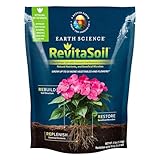
- Premium Soil Revitalizer: Rebuilds depleted soils with premium earthworm castings (worm castings), natural nutrients, and soil-friendly biology
- Boosts Plant Growth: Proven to grow up to 3X more vegetables and flowers with an exclusive patent-pending formula
- Restores Soil Health: One application helps repair structural damage and re-energizes your soil to give you bigger harvests, more flowers, and thriving plants
- Coverage & Convenience: Each 4lb bag revitalizes up to 16 sq ft of soil in gardens, landscapes, and pots and up to 8 sq ft of soil in raised beds. Revitalize your existing soil instead of purchasing large, heavy bags of new potting and garden soils
- Natural & Eco-Friendly: Sustainably made and packed full of natural nutrition without any harmful chemicals or pesticides. RevitaSoil is an all-natural solution for gardeners looking to improve soil health, boost growth, and protect the environment.
How it works
- Coffee beans are naturally acidic.
- When water passes through coffee grounds during brewing, it extracts many of the soluble compounds, including some acids.
- The brewing process itself can alter the pH of the water and the grounds.
- Fresh, unbrewed coffee grounds have a pH that typically ranges from 5.5 to 6.8.
- Used coffee grounds, after brewing, tend to be closer to neutral pH, often between 6.5 and 6.8.
- When coffee grounds are added to compost, they are broken down by microorganisms.
- This decomposition process further neutralizes any remaining acidity.
- As organic matter decomposes, it releases nutrients and can improve soil structure.
- The impact on soil pH is often temporary and depends on the quantity added and the soil’s existing buffering capacity.
- Over time, the beneficial effects of improved soil structure and nutrient availability outweigh any minor pH fluctuations.
What affects the result
- Freshness of Grounds: Unbrewed coffee grounds are more acidic than used grounds.
- Quantity Applied: Applying very large amounts of fresh grounds directly to soil can have a more noticeable, albeit temporary, effect.
- Brewing Method: Different brewing methods might extract varying amounts of acid.
- Composting: Composting grounds significantly reduces their acidity before they reach the soil.
- Soil Type: Soils with good buffering capacity (like clay soils) are less affected by small changes in pH than sandy soils.
- Existing Soil pH: If your soil is already acidic, adding coffee grounds might slightly increase that acidity. If it’s alkaline, the effect will be even less noticeable.
- Rainfall and Irrigation: Water can leach away some of the soluble compounds, including acids, from the grounds in the soil.
- Rate of Decomposition: How quickly microorganisms break down the grounds affects how long any pH change might last.
- Plant Type: Different plants have varying tolerances and preferences for soil pH.
- Other Soil Amendments: The addition of lime or other alkaline materials can counteract any minor acidity.
- Grounds vs. Liquid Coffee: Pouring liquid coffee on plants is different from adding grounds; the liquid is more concentrated in acids.
- Particle Size: Finer grounds might decompose and interact with soil slightly differently than coarser grounds.
Pros, cons, and when it matters
- Pro: Nutrient Addition: Coffee grounds are a good source of nitrogen, potassium, and phosphorus, essential for plant growth.
- Con: Temporary Acidity: Fresh grounds can temporarily lower soil pH, which might stress plants sensitive to acidity.
- Pro: Improved Soil Structure: Grounds help aerate soil, improve drainage, and increase water retention.
- Con: Potential for Compaction: If applied too thickly as a top dressing, grounds can form a dense mat that hinders water and air penetration.
- Pro: Attracts Earthworms: Earthworms are drawn to coffee grounds, and their activity further enriches the soil.
- Con: May Inhibit Seed Germination: Some gardeners report that fresh grounds can slow down seed germination, though this is usually a minor effect.
- Pro: Natural Pest Deterrent: The scent of coffee grounds may deter some pests like slugs and snails.
- Con: Over-reliance on Grounds: Relying solely on coffee grounds for all soil amendment needs can lead to nutrient imbalances.
- Pro: Reduces Waste: Using coffee grounds in the garden is an excellent way to recycle kitchen waste.
- Con: Not a Balanced Fertilizer: While they provide some nutrients, they don’t offer a complete N-P-K profile needed for all plant stages.
- When it Matters: For acid-loving plants like blueberries, azaleas, or rhododendrons, monitoring soil pH is crucial. For most other plants, the benefits of coffee grounds usually outweigh any minor pH concerns.
- When it Matters Less: For general garden soil improvement for a wide variety of plants, the slight and temporary pH shift from used grounds is typically negligible.
Common misconceptions
- Misconception: Coffee grounds will make your entire garden highly acidic.
- Reality: The acidity is usually mild and temporary, especially with used grounds or when composted.
- Misconception: You should never put coffee grounds directly on plants.
- Reality: While thick layers of fresh grounds can be problematic, a light scattering of used grounds is generally fine for most plants.
- Misconception: Coffee grounds kill all beneficial soil organisms.
- Reality: Earthworms and many beneficial microbes are attracted to coffee grounds.
- Misconception: Coffee grounds are a complete fertilizer.
- Reality: They provide nitrogen and some other nutrients but are not a balanced fertilizer on their own.
- Misconception: Brewing coffee liquid directly on soil is the same as using grounds.
- Reality: Liquid coffee is more concentrated in acids and can be detrimental to plants in large amounts.
- Misconception: All coffee grounds are equally acidic.
- Reality: Fresh grounds are more acidic than used grounds, and the brewing process can alter pH.
- Misconception: Coffee grounds will prevent all pests from your garden.
- Reality: They may deter some specific pests but are not a universal pesticide.
- Misconception: Coffee grounds will make your soil barren.
- Reality: When used correctly, they enrich the soil and promote healthy plant growth.
FAQ
Q1: Are coffee grounds good for plants?
Yes, coffee grounds are generally good for plants. They add organic matter, improve soil structure, and provide beneficial nutrients like nitrogen.
Q2: Will coffee grounds kill my plants?
In most cases, no. Large amounts of fresh, unbrewed coffee grounds applied directly might temporarily inhibit growth, but used grounds are usually safe and beneficial.
Q3: Should I put fresh or used coffee grounds in my garden?
Used coffee grounds are preferred. They are less acidic and have already had many of their soluble compounds extracted during brewing.
Q4: How much coffee grounds should I use?
A light scattering or a thin layer is usually best. Avoid piling them up thickly, which can compact and block air and water.
Q5: Can I add coffee grounds to my compost bin?
Absolutely. Coffee grounds are considered a “green” material in composting, providing nitrogen and helping to balance “brown” materials like dried leaves.
Q6: Do coffee grounds make soil acidic?
Fresh grounds are slightly acidic, but used grounds are closer to neutral. Their effect on soil pH is usually minimal and temporary, especially when composted or mixed into the soil.
Q7: What plants benefit most from coffee grounds?
Acid-loving plants like blueberries, azaleas, rhododendrons, and hydrangeas can benefit from the slight acidity and added nutrients, but moderation is still key.
For plants that thrive in acidic conditions, such as blueberries or azaleas, using coffee grounds can be beneficial, but for optimal results, consider a specialized acid-loving plant fertilizer.
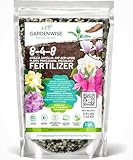
- 🌺 VIBRANT BLOOMS & ROBUST GROWTH: Enriched with essential nutrients like magnesium, iron, and manganese, GARDENWISE 8-4-8 is ideal for preventing chlorosis in acid-loving plants. It's perfect for azaleas, camellias (camelia), rhododendrons, hydrangeas, and all acid-loving plants including magnolia trees, evergreens, and blueberries.
- 🌿 SOIL ACIDIFICATION FOR OPTIMAL GROWTH: This fertilizer acts as an effective soil acidifier. It's crucial for azaleas, hydrangeas, and gardenias, often struggling in neutral or alkaline soils.
- 🌱 ENHANCES SOIL HEALTH WITH BENEFICIAL MICROBES: Unleash the transformative power of our eco-conscious bio-solid fertilizer, born from the heart of advanced wastewater treatment technology. Rich in live bacterial microbes, this meticulously refined bio-solid emerges through a rigorous process of heating, drying, and prilling, stripping away all toxins and heavy metals to guarantee unmatched safety for your garden. Dive into the essence of nature's best-kept secret and watch as it naturally enriches your soil, igniting a burst of microbial life that promises unparalleled growth and vitality for your plants.
- 🤲 SIMPLE & STRAIGHTFORWARD APPLICATION: GARDENWISE 8-4-8 Fertilizer makes plant care easy for everyone. Just sprinkle the granules around the base of your plants, gently mix into the soil, and water. This no-fuss, clear method ensures that whether you're a first-time gardener or a seasoned green thumb, nourishing your plants is effortless and effective.
- 💵 ECONOMICAL LONG-LASTING FORMULA: GARDENWISE 8-4-8 is not only cost-effective but also incredibly efficient, requiring just three feedings per year. Its slow-release granules ensure sustained nutrition and long-lasting benefits, making it an ideal choice for gardeners seeking an economical solution for maintaining their plants' health and vibrancy throughout the year.
Q8: Can I pour leftover brewed coffee on my plants?
It’s generally not recommended to pour large amounts of liquid coffee on plants. The concentrated acidity can harm roots and soil microorganisms.
What this page does NOT cover (and where to go next)
- Specific N-P-K ratios of coffee grounds for precise fertilization needs.
- Detailed instructions on how to amend soil for specific plant nutrient deficiencies.
- Information on using coffee grounds for pest control beyond general deterrence.
- The chemistry of how different brewing methods impact the acidity of grounds.
- How to test your soil’s pH at home.