
Can Coffee Increase Sweating? The Science Behind It
Quick answer
- Coffee can indeed make you sweat more.
- The caffeine in coffee is the primary driver.
- It stimulates your central nervous system.
- This can lead to a mild increase in body temperature.
- Your body then sweats to cool down.
- Individual responses vary.
Key terms and definitions
- Caffeine: A natural stimulant found in coffee beans, tea leaves, and other plants. It’s known for its ability to boost alertness.
- Central Nervous System (CNS): The body’s main control center, including the brain and spinal cord. It regulates everything from breathing to body temperature.
- Thermoregulation: The process by which your body maintains a stable internal temperature, usually around 98.6°F (37°C).
- Vasodilation: The widening of blood vessels. This can increase blood flow to the skin’s surface, helping to release heat.
- Diaphoresis: The medical term for excessive sweating.
- Metabolism: The chemical processes in your body that convert food and drink into energy.
- Adrenaline: A hormone produced by your adrenal glands in response to stress or excitement. It can trigger various bodily responses, including increased heart rate and sweating.
- Dehydration: A condition where your body loses more fluid than it takes in.
How it works
- When you drink coffee, the caffeine enters your bloodstream.
- Caffeine is a stimulant that affects your central nervous system.
- It signals your brain to increase activity.
- This can lead to a slight rise in your body’s metabolic rate.
- An elevated metabolism can generate more internal heat.
- Your body’s thermoregulation system kicks in to manage this heat.
- One primary cooling mechanism is sweating.
- The increased heat causes your sweat glands to become more active.
- This process helps to lower your body temperature back to normal.
- Some research suggests caffeine might also directly influence sweat glands, though the CNS pathway is more established.
If you’re curious about the effects of caffeine without the coffee, you might consider exploring caffeine supplements.
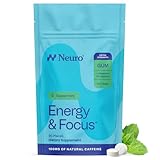
- Fast-Acting Nootropic - Our energy supplements deliver an extra boost of energy and clarity with a blend of natural caffeine, L-theanine, and vitamin b6 & b12. Your go-to chewing gum for work, exercise, and daily focus!
- Clean Energy - Each piece of our sugar free gum delivers 100mg of natural caffeine from green coffee beans for a smooth energy boost without crashes or jitters.
- The Perfect Balance - With 60mg of L-theanine per piece, our energy and focus formula promotes enhanced focus and stress reduction to smooth energy boosts.
- How to Use - Chew one piece of the caffeine gum whenever focus or energy is lacking. Ideal for mornings, pre-workout, or afternoon slumps. Effects typically kick in within minutes thanks to optimal absorption through the mouth.
- Made by Neuro, Backed by Science - At Neuro, we combine neuroscience with clean, science backed ingredients to help you do more, think better, and feel your best every single day.
What affects the result
- Caffeine content: Darker roasts generally have less caffeine than lighter roasts, but this can vary wildly by brewing method and bean type. More caffeine means a higher chance of increased sweating.
- Your personal sensitivity: Some folks are just more sensitive to caffeine’s effects than others. Genetics play a big role here.
- How much you drink: A single espresso is different from a triple-shot latte. More coffee, more caffeine, more potential sweat.
- Your current body temperature: If you’re already warm from exercise or the environment, coffee might push you over the edge.
- Hydration levels: Being well-hydrated means your body has more fluid available to sweat with.
- Diet: What else you’ve eaten or drunk can influence how your body processes caffeine and regulates temperature.
- Medications: Certain medications can interact with caffeine or affect your body’s sweating response. Always check with your doc.
- Stress or anxiety: If you’re already feeling keyed up, coffee can amplify those feelings, which often include sweating.
- Genetics: Yep, your DNA can influence how efficiently your body metabolizes caffeine and how your nervous system responds.
- Ambient temperature: Drinking a hot cup of coffee on a sweltering summer day is a recipe for sweat.
- Physical activity: If you’re about to hit the gym after your coffee, expect to sweat more than if you’re just sitting.
- Roast level: While often thought to be the opposite, lighter roasts tend to retain more caffeine than darker roasts.
Pros, cons, and when it matters
- Pro: Signal of alertness: Increased sweating can be a sign your body is responding to the caffeine, which might correlate with feeling more awake.
- Con: Unwanted sweat: If you’re in a meeting, on a date, or just trying to stay dry, extra sweat isn’t ideal.
- Pro: Natural cooling: For some, a mild increase in sweating is just their body doing its job to maintain a healthy temperature.
- Con: Potential dehydration: If you sweat a lot without replenishing fluids, you can become dehydrated.
- Pro: Indicator of metabolism boost: It might be a subtle sign that your metabolism is revved up, which some find beneficial.
- Con: Social awkwardness: Excessive sweating can be embarrassing in social or professional settings.
- Pro: Useful during exercise: For athletes, a bit more sweat might help with thermoregulation during intense workouts, provided they stay hydrated.
- Con: Skin irritation: Constant moisture can sometimes lead to skin irritation or chafing, especially in humid conditions.
- Pro: Biofeedback: For those tracking their body’s responses, sweating can be a measurable effect of caffeine intake.
- Con: Masking other issues: Over-reliance on sweating as a “sign” might distract from other, more important bodily signals.
- Context: Hot weather: On a warm day, coffee might simply amplify the sweating that’s already happening.
- Context: Cold weather: In cooler temps, noticeable sweating after coffee might be more surprising and indicative of a stronger reaction.
Common misconceptions
- Myth: Only hot coffee makes you sweat. Nope, iced coffee with caffeine can do it too. It’s the caffeine, not just the heat of the drink.
- Myth: Coffee is a diuretic that dehydrates you. While caffeine has a mild diuretic effect, for regular coffee drinkers, this is usually offset by the fluid you consume. You’re not going to dehydrate from a cup or two.
- Myth: All coffee makes everyone sweat the same amount. Absolutely not. Sensitivity varies wildly.
- Myth: Sweating after coffee means you’re “detoxing.” Sweating is primarily about temperature regulation, not expelling toxins in the way often claimed.
- Myth: Dark roast coffee causes more sweating. Lighter roasts typically have more caffeine. So, it’s often the opposite.
- Myth: Sweating is always a bad sign. Sometimes, it’s just your body’s normal, healthy response to a stimulant or heat.
- Myth: You need to drink a ton of coffee to sweat. Even a moderate amount can trigger a response in sensitive individuals.
- Myth: Coffee directly stimulates sweat glands. The primary mechanism is through the nervous system, not a direct effect on the glands themselves.
FAQ
- Does caffeine in tea make you sweat more?
Yes, tea also contains caffeine, so it can have a similar effect, though usually less pronounced than coffee due to lower caffeine levels.
- Will decaf coffee make me sweat?
Very unlikely. Decaf coffee has most of the caffeine removed. Any sweating would be due to other factors, like the temperature of the drink.
- How quickly does coffee increase sweating?
The effects can be noticeable within 30 minutes to an hour after consumption, as caffeine is absorbed into your system.
- Is it normal to sweat a lot after drinking coffee?
It can be normal if you’re sensitive to caffeine or drinking it in a warm environment. If it’s excessive or concerning, it’s worth looking into.
- What should I do if coffee makes me sweat too much?
Try reducing your intake, switching to decaf, or ensuring you’re well-hydrated. You could also try a less sensitive brewing method.
- Does the temperature of the coffee matter for sweating?
Yes, drinking a hot beverage will inherently raise your body temperature slightly, potentially leading to more sweating, separate from the caffeine effect.
- Can I use coffee’s sweat-inducing effect for exercise?
Some athletes use caffeine pre-workout. If you find it helps you stay cool through increased sweat, and you stay hydrated, it might be a personal benefit.
- Are there any health risks associated with coffee-induced sweating?
The main risk is dehydration if you don’t drink enough fluids to compensate for the sweat loss.
What this page does NOT cover (and where to go next)
- Specific caffeine content of every single coffee bean or roast. (Check bean packaging or roaster websites).
- Detailed medical advice on excessive sweating (hyperhidrosis). (Consult a healthcare professional).
- How to brew the perfect cup of coffee. (Explore brewing guides for specific methods).
- The exact genetic makeup influencing caffeine metabolism. (This is complex, consult specialized resources).