
The Link Between Coffee Consumption and Stress Levels
Quick answer
- Coffee’s caffeine can trigger stress responses in sensitive individuals.
- It elevates cortisol, the body’s stress hormone.
- The amount you drink, your personal tolerance, and brewing method all play a role.
- For some, coffee can mimic stress symptoms like jitters and anxiety.
- Managing intake and brewing can help mitigate these effects.
- It’s not a direct cause, but a potential trigger for those already prone.
Key terms and definitions
- Caffeine: A natural stimulant found in coffee beans that affects the central nervous system.
- Cortisol: A hormone produced by your adrenal glands, often called the “stress hormone.”
- Adrenal Glands: Small glands located on top of your kidneys that produce hormones.
- Sympathetic Nervous System: Part of your nervous system that controls “fight or flight” responses.
- Placebo Effect: A beneficial effect produced by a placebo drug or treatment, which cannot be attributed to the properties of the placebo itself, and must therefore be assumed to be the result of the patient’s suggestion alone.
- Tolerance: The ability of an organism to withstand the effects of a substance.
- Dehydration: The loss of body fluid, which can sometimes exacerbate stress symptoms.
- Sleep Quality: How well you sleep; poor sleep can increase stress sensitivity.
- Individual Sensitivity: How a person’s body reacts to a substance like caffeine.
- Brewing Method: The technique used to extract flavor from coffee grounds, which can influence caffeine levels.
How it works
- Caffeine enters your bloodstream and travels to your brain.
- It blocks adenosine, a neurotransmitter that makes you feel tired.
- This blocking action can increase alertness and energy.
- It also signals your adrenal glands to release adrenaline and cortisol.
- Adrenaline prepares your body for a “fight or flight” response.
- Cortisol levels naturally rise in the morning but can be further boosted by caffeine.
- For some, this surge mimics the physical sensations of stress.
- It can lead to increased heart rate and blood pressure.
- The effect is amplified if you’re already experiencing stress.
- Your body metabolizes caffeine, but how quickly varies by person.
What affects the result
- Amount of Coffee: More coffee means more caffeine, potentially a bigger impact.
- Brewing Strength: Espresso shots pack more punch per ounce than a drip coffee.
- Bean Type: Robusta beans generally have more caffeine than Arabica.
- Roast Level: Lighter roasts can retain slightly more caffeine, though it’s often debated.
- Personal Tolerance: Some folks can down a pot and sleep; others feel it after one cup.
- Genetics: Your body’s ability to process caffeine is partly inherited.
- Time of Day: Drinking coffee late can disrupt sleep, increasing stress later.
- Hydration Levels: Being dehydrated can make caffeine’s effects feel more intense.
- Food Intake: Drinking coffee on an empty stomach can speed up absorption.
- Existing Stress Levels: If you’re already wound up, coffee can push you over the edge.
- Medications: Certain drugs can interact with caffeine metabolism.
- Sleep Quality: Poor sleep makes you more susceptible to caffeine’s stimulating effects.
If you’re looking to manage your caffeine intake more precisely or explore alternatives, consider caffeine supplements. They offer a controlled way to get your energy boost.
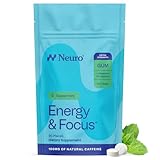
- Fast-Acting Nootropic - Our energy supplements deliver an extra boost of energy and clarity with a blend of natural caffeine, L-theanine, and vitamin b6 & b12. Your go-to chewing gum for work, exercise, and daily focus!
- Clean Energy - Each piece of our sugar free gum delivers 100mg of natural caffeine from green coffee beans for a smooth energy boost without crashes or jitters.
- The Perfect Balance - With 60mg of L-theanine per piece, our energy and focus formula promotes enhanced focus and stress reduction to smooth energy boosts.
- How to Use - Chew one piece of the caffeine gum whenever focus or energy is lacking. Ideal for mornings, pre-workout, or afternoon slumps. Effects typically kick in within minutes thanks to optimal absorption through the mouth.
- Made by Neuro, Backed by Science - At Neuro, we combine neuroscience with clean, science backed ingredients to help you do more, think better, and feel your best every single day.
Pros, cons, and when it matters
- Pro: Increased alertness and focus, helpful for demanding tasks.
- Con: Can trigger anxiety and jitters in sensitive individuals.
- Pro: Improved mood for many, a nice morning ritual.
- Con: May disrupt sleep patterns, leading to fatigue and stress.
- Pro: Enhanced physical performance for workouts.
- Con: Can exacerbate existing stress or anxiety disorders.
- Pro: Antioxidant properties, good for overall health in moderation.
- Con: Potential for caffeine withdrawal headaches if intake is stopped suddenly.
- Pro: Social aspect, coffee breaks are a common way to connect.
- Con: Can lead to digestive upset for some.
- Pro: Can boost metabolism slightly.
- Con: May cause heart palpitations or increased heart rate.
- Pro: Some studies suggest long-term benefits for certain diseases.
- Con: Can be a crutch, masking underlying fatigue.
- When it matters: Crucial for those with anxiety disorders or high-stress jobs.
- When it matters: Important for people who are sensitive to stimulants.
- When it matters: Consider if you experience sleep issues or digestive problems.
- When it matters: If you’re feeling generally run-down, coffee might not be the best fix.
Common misconceptions
- Myth: Coffee causes stress. Reality: It can trigger or exacerbate stress in susceptible people.
- Myth: All coffee has the same caffeine content. Reality: Brewing method and bean type vary caffeine significantly.
- Myth: Black coffee is always healthier. Reality: Additives can impact how your body reacts, but caffeine itself is the main player here.
- Myth: You need coffee to be productive. Reality: Other factors like sleep and diet are more fundamental for energy.
- Myth: Caffeine affects everyone equally. Reality: Individual genetics and tolerance create huge differences.
- Myth: Decaf coffee is totally caffeine-free. Reality: It still contains small amounts, though much less.
- Myth: Coffee makes you dehydrated. Reality: While it has a mild diuretic effect, it’s usually offset by the water in the brew.
- Myth: Coffee is bad for your heart. Reality: For most healthy adults, moderate consumption is fine.
- Myth: You can build unlimited tolerance. Reality: There are limits to how much your body can adapt.
- Myth: Coffee is addictive like hard drugs. Reality: Caffeine dependence is real, but different in scope from addiction.
FAQ
Can drinking coffee actually make me feel more stressed?
Yes, caffeine is a stimulant that can activate your body’s stress response, leading to increased heart rate and cortisol levels, which can mimic stress symptoms.
Is it my fault if coffee makes me anxious?
Not at all. Individual sensitivity to caffeine varies greatly due to genetics and other factors. It’s a biological reaction.
How much coffee is too much if I’m prone to stress?
There’s no one-size-fits-all answer. Start with one cup and see how you feel. Many recommend limiting intake to under 400mg of caffeine daily, but for sensitive people, even less might be too much.
Does the brewing method affect how much stress coffee causes?
Yes, stronger brews like espresso or cold brew concentrate have more caffeine per serving, potentially amplifying the stress response compared to a weaker drip coffee.
What can I do if I love coffee but it makes me feel stressed?
Try switching to decaf, reducing your intake, opting for lighter roasts, or brewing it weaker. Staying hydrated and getting good sleep also helps.
Are there specific times of day I should avoid coffee?
It’s generally wise to avoid coffee in the late afternoon and evening, as it can interfere with sleep, which in turn can increase your overall stress levels.
Does coffee interact with stress-relief techniques?
It can. While coffee might offer a temporary boost, it can counteract the calming effects of meditation or deep breathing exercises for some individuals.
What are the signs that coffee is negatively impacting my stress levels?
Look out for increased jitters, racing thoughts, difficulty concentrating, heart palpitations, or an upset stomach after drinking coffee.
What this page does NOT cover (and where to go next)
- Specific caffeine content of every coffee bean roast and brew method. (Look up brew guides for your specific maker.)
- Medical advice for anxiety disorders or stress management. (Consult a healthcare professional.)
- Detailed comparisons of different coffee maker brands and their impact on caffeine. (Check product reviews and specifications.)
- The chemical breakdown of caffeine and its long-term physiological effects. (Explore scientific literature on pharmacology.)
- Legal or regulatory information about caffeine consumption. (Research food and beverage guidelines.)