
How Coffee and Tea Affect Bowel Movements
Quick answer
- Coffee often stimulates bowel movements due to compounds like chlorogenic acids and melanoidins.
- Caffeine can increase gut motility, but it’s not the only factor.
- Tea, especially caffeinated varieties, can also have a similar, though often milder, effect.
- The effect varies significantly from person to person based on individual sensitivity and gut health.
- Decaffeinated coffee can still trigger bowel movements, indicating non-caffeine components play a role.
- Regular consumption might lead to tolerance, reducing the immediate “urge” over time for some individuals.
Key terms and definitions
- Peristalsis: The wave-like muscle contractions that move food through the digestive tract.
- Chlorogenic acids: Antioxidant compounds found in coffee, believed to stimulate stomach acid production and gut motility.
- Melanoidins: Brown-colored compounds formed during coffee roasting, which may contribute to coffee’s laxative effect.
- Caffeine: A stimulant found in coffee and tea that can increase colon activity.
- Gut motility: The movement of food through the digestive system.
- Gastrocolic reflex: An involuntary physiological reflex that controls the motility of the gastrointestinal tract.
- Theophylline: A compound similar to caffeine found in tea, which can also have a stimulating effect.
- Tannins: A group of bitter and astringent compounds found in tea, which can sometimes have a constipating effect in large quantities for some individuals.
- Diuretic: A substance that promotes increased production of urine.
- Electrolytes: Essential minerals in the body that have an electric charge, crucial for various bodily functions, including hydration.
Caffeine is a key stimulant that can increase colon activity, and if you’re looking to understand its effects or supplement intake, exploring caffeine supplements can offer insight.
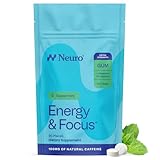
- Fast-Acting Nootropic - Our energy supplements deliver an extra boost of energy and clarity with a blend of natural caffeine, L-theanine, and vitamin b6 & b12. Your go-to chewing gum for work, exercise, and daily focus!
- Clean Energy - Each piece of our sugar free gum delivers 100mg of natural caffeine from green coffee beans for a smooth energy boost without crashes or jitters.
- The Perfect Balance - With 60mg of L-theanine per piece, our energy and focus formula promotes enhanced focus and stress reduction to smooth energy boosts.
- How to Use - Chew one piece of the caffeine gum whenever focus or energy is lacking. Ideal for mornings, pre-workout, or afternoon slumps. Effects typically kick in within minutes thanks to optimal absorption through the mouth.
- Made by Neuro, Backed by Science - At Neuro, we combine neuroscience with clean, science backed ingredients to help you do more, think better, and feel your best every single day.
How it works
- Coffee and tea can stimulate the gastrocolic reflex, prompting bowel activity shortly after consumption.
- Caffeine in both beverages is a known stimulant that can increase contractions in the colon.
- Chlorogenic acids in coffee may increase stomach acid and bile production, aiding digestion.
- Melanoidins, formed during coffee roasting, might also contribute to increased gut motility.
- The warm temperature of coffee and tea can also relax muscles and stimulate digestion for some people.
- Drinking fluids in general, especially warm ones, can help hydrate the digestive tract, facilitating stool passage.
- Some individuals experience a laxative effect from coffee even without caffeine, suggesting other compounds are at play.
- The effect is often felt within minutes to an hour after consumption.
- The exact mechanisms are still being researched, and individual responses vary widely.
- Tea contains compounds like theophylline, which is structurally similar to caffeine and can also affect gut muscles.
What affects why coffee and tea make you poop
- Caffeine content: Higher caffeine levels generally correlate with a stronger stimulating effect on the gut.
- Roast level: Darker roasts may have different concentrations of compounds like melanoidins compared to lighter roasts, potentially influencing gut response.
- Individual sensitivity: Some people are highly sensitive to caffeine or other coffee/tea compounds, experiencing a stronger effect.
- Time of consumption: Drinking coffee or tea on an empty stomach might lead to a more pronounced effect for some individuals.
- Hydration status: Being well-hydrated generally supports healthy bowel function; dehydration can lead to constipation.
- Dietary fiber intake: A diet rich in fiber helps regulate bowel movements, potentially mitigating or enhancing the effect of coffee/tea.
- Existing digestive conditions: Individuals with conditions like Irritable Bowel Syndrome (IBS) may have a more unpredictable or exaggerated response.
- Type of coffee/tea: Espresso, drip coffee, or different types of tea (e.g., black, green, herbal) have varying compositions and caffeine levels.
- Additives: Sugar, cream, or artificial sweeteners added to coffee or tea can sometimes affect digestion independently.
- Tolerance: Regular coffee or tea drinkers may develop a tolerance, reducing the immediate stimulatory effect over time.
- Water temperature: Warm beverages can sometimes stimulate the digestive system more effectively than cold ones.
- Brewing method: Different brewing methods can extract varying amounts of compounds from coffee grounds, potentially influencing the effect.
Pros, cons, and when it matters
- Pro: Regularity: For some, coffee or tea can help maintain regular bowel movements, especially in the morning.
- Con: Over-stimulation: Excessive consumption or high sensitivity can lead to urgency, discomfort, or even diarrhea.
- When it matters: Constipation relief: Occasionally, coffee or tea can be a natural aid for mild constipation.
- Pro: Gut stimulation: The effects can be beneficial for individuals with sluggish digestion.
- Con: Dehydration risk: While coffee and tea are mostly water, caffeine has a mild diuretic effect, which could theoretically contribute to dehydration if fluid intake isn’t balanced.
- When it matters: Morning routine: Many incorporate coffee or tea into their morning routine to help kickstart digestion.
- Pro: Natural option: It’s a widely available and generally safe option for digestive stimulation compared to some medications.
- Con: Sleep disruption: Consuming caffeinated beverages too close to bedtime can interfere with sleep, indirectly affecting gut health.
- When it matters: Travel: Changes in routine during travel can sometimes lead to constipation, and coffee/tea might help.
- Pro: Antioxidant benefits: Both coffee and tea contain antioxidants that are beneficial for overall health, beyond just gut function.
- Con: Acid reflux: For some, coffee can exacerbate acid reflux, which might indirectly affect bowel comfort.
- When it matters: Individual differences: What works well for one person might not for another; understanding your body’s response is key.
Common misconceptions
- Only caffeine makes you poop: While caffeine is a factor, decaffeinated coffee can still have a similar effect, indicating other compounds are involved.
- Coffee is a laxative for everyone: Not everyone experiences a bowel movement after drinking coffee; individual responses vary greatly.
- All tea has the same effect: The effect of tea depends on its type, caffeine content, and other compounds like tannins, which can vary widely.
- Coffee causes dehydration: While caffeine has a mild diuretic effect, the water content in coffee usually offsets this, and moderate consumption generally doesn’t lead to dehydration in healthy individuals.
- Coffee is bad for your gut: For many, coffee can stimulate a healthy bowel movement; it’s not inherently “bad” for the gut unless you have specific sensitivities or conditions.
- Drinking more coffee will always make you poop more: The body can develop a tolerance to caffeine and other compounds, reducing the immediate effect over time.
- Coffee is a cure for chronic constipation: While it can provide temporary relief, it’s not a treatment for underlying chronic constipation issues.
- The effect is purely psychological: While expectation can play a role, physiological mechanisms involving gut hormones and muscle contractions are well-documented.
- Herbal teas always have a laxative effect: Many herbal teas have no direct stimulating effect on bowel movements, though some, like senna tea, are specifically designed as laxatives.
- You should drink coffee to “cleanse” your colon: There’s no scientific evidence that coffee “cleanses” the colon; the body’s natural digestive processes handle this.
FAQ
Why does coffee make me poop so quickly?
Coffee can stimulate the gastrocolic reflex, which is a natural response that increases colon activity after eating or drinking. This reflex, combined with the stimulating compounds in coffee, can lead to a bowel movement shortly after consumption.
Does decaf coffee also make you poop?
Yes, for many people, decaffeinated coffee can still trigger bowel movements. This suggests that compounds other than caffeine, such as chlorogenic acids and melanoidins, play a significant role in coffee’s effect on the digestive system.
Is it normal to poop every time I drink coffee?
While common, it’s not universally experienced. Many people do find that coffee consistently stimulates their bowels, but individual responses vary based on genetics, diet, and gut health.
Can tea have the same effect as coffee on bowel movements?
Yes, especially caffeinated teas like black or green tea. Caffeine and other compounds in tea, like theophylline, can also stimulate gut motility, though the effect is often milder than with coffee due to generally lower caffeine content.
Can too much coffee cause diarrhea?
For some sensitive individuals or with very high consumption, the stimulating effect of coffee can be too strong, leading to increased urgency, loose stools, or even diarrhea. Moderation is key.
Are there any specific types of coffee or tea that are more likely to make you poop?
Generally, highly caffeinated options like espresso or strong black coffee tend to have a more pronounced effect. Certain teas, particularly strong black teas, might also be more stimulating than lighter teas or herbal infusions.
What if coffee used to make me poop, but now it doesn’t?
Your body can develop a tolerance to the stimulating compounds in coffee over time, reducing the immediate “urge.” Changes in diet, hydration, or overall gut health can also influence your response.
Does adding milk or sugar affect coffee’s impact on bowel movements?
Adding milk or sugar can introduce other factors. Lactose in milk can cause digestive upset for some, while high sugar intake can also affect gut motility. These additions might alter or mask coffee’s direct effect.
What this page does NOT cover (and where to go next)
- Specific medical advice for chronic digestive conditions. Consult a healthcare professional for personalized guidance.
- Detailed chemical breakdowns of every compound in coffee and tea.
- The history or cultural significance of coffee and tea.
- In-depth reviews or comparisons of specific coffee makers or brewing equipment.
- Recipes or advanced brewing techniques for coffee and tea.
- How to grow or process coffee beans and tea leaves.