
Coffee’s Impact On Athletic Performance
Quick Answer
- Yeah, coffee can help. It’s got caffeine, which is a proven ergogenic aid.
- Think less fatigue, better focus, and maybe a bit more power.
- It’s not a magic bullet, but it can give you an edge.
- Timing matters. Don’t chug it right before bed.
- Dose is key. Too much can make you jittery and anxious.
- Individual response varies. What works for me might not work for you.
Key Terms and Definitions
- Caffeine: The main active compound in coffee. It’s a stimulant that affects the central nervous system.
- Ergogenic Aid: Something that’s supposed to improve athletic performance. Caffeine is one of the most studied.
- Central Nervous System (CNS): The brain and spinal cord. Caffeine stimulates it, making you feel more alert.
- Adenosine Receptors: Caffeine blocks these in your brain. Adenosine makes you feel tired, so blocking it helps you feel less so.
- Endorphins: Caffeine can also increase the release of these “feel-good” chemicals. They can reduce pain perception.
- Glycogen Stores: Caffeine might help your body use fat for fuel, sparing your muscle glycogen. This could mean more endurance.
- Lactate Threshold: Some studies suggest caffeine can push this back, meaning you can work harder before fatigue really sets in.
- Placebo Effect: Sometimes, just believing something will help can make it work. It’s a real thing.
- Dehydration: A common myth. While caffeine is a mild diuretic, moderate intake usually doesn’t cause significant dehydration in athletes.
- Tolerance: Regular coffee drinkers might need more caffeine to get the same effect.
How Coffee Works for Athletes
- Blocks Fatigue Signals: Caffeine intercepts adenosine, a chemical that tells your brain you’re tired. Less adenosine means you feel less fatigued.
- Boosts Alertness: By stimulating the CNS, caffeine sharpens your focus and reaction time. This is handy for any sport.
- Mobilizes Fat Stores: It encourages your body to tap into fat reserves for energy. This can help save your precious glycogen.
- Enhances Muscle Contraction: Some research suggests caffeine can directly improve how your muscles contract. More power, maybe?
- Releases Adrenaline: This “fight or flight” hormone gets you ready for action, increasing blood flow and heart rate.
- Reduces Perceived Exertion: The same effort might feel easier after a cup of coffee. It’s like a mental cheat code.
- Improves Mood: The endorphin boost can make your workout feel more enjoyable. Who doesn’t want that?
- May Improve Endurance: By using fat for fuel and delaying fatigue, you might be able to go longer.
- Can Enhance Strength and Power: For shorter, intense efforts, caffeine might give you that extra oomph.
What Affects Does Coffee Have on Athletic Performance?
- Dose: This is huge. Too little, and you won’t feel it. Too much, and you’ll be bouncing off the walls, not the track. Aim for around 3-6 mg per kg of body weight.
- Timing: Sip it about 30-60 minutes before your workout. That’s when caffeine levels peak in your blood. Don’t drink it too close to bedtime, obviously.
- Individual Genetics: Some folks are fast metabolizers of caffeine, others are slow. It’s in your DNA.
- Tolerance: If you drink coffee daily, you might not get the same kick as someone who rarely has it.
- Type of Coffee: A strong espresso has more caffeine than a weak drip. But brewing method can also play a role. My French press usually hits harder than my pour-over.
- What Else You Eat/Drink: Having coffee on an empty stomach can amplify effects, sometimes unpleasantly.
- Type of Activity: Caffeine seems to benefit endurance activities more, but it can also help with strength and power too.
- Hydration Status: While moderate coffee intake isn’t dehydrating, being already dehydrated will make everything worse.
- Sleep Quality: If you’re running on fumes, caffeine can only do so much. Good sleep is still king.
- Pre-existing Conditions: If you have heart issues or anxiety, talk to your doc before loading up.
- Form of Caffeine: While coffee is the focus here, caffeine can come in pills or gels. Coffee is just tastier.
- Acclimatization: If you’re traveling to a different altitude or climate, your body might react differently.
While coffee is a great source, for precise dosing or if you prefer not to drink coffee, caffeine supplements can be a convenient alternative.
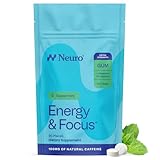
- Fast-Acting Nootropic - Our energy supplements deliver an extra boost of energy and clarity with a blend of natural caffeine, L-theanine, and vitamin b6 & b12. Your go-to chewing gum for work, exercise, and daily focus!
- Clean Energy - Each piece of our sugar free gum delivers 100mg of natural caffeine from green coffee beans for a smooth energy boost without crashes or jitters.
- The Perfect Balance - With 60mg of L-theanine per piece, our energy and focus formula promotes enhanced focus and stress reduction to smooth energy boosts.
- How to Use - Chew one piece of the caffeine gum whenever focus or energy is lacking. Ideal for mornings, pre-workout, or afternoon slumps. Effects typically kick in within minutes thanks to optimal absorption through the mouth.
- Made by Neuro, Backed by Science - At Neuro, we combine neuroscience with clean, science backed ingredients to help you do more, think better, and feel your best every single day.
Pros, Cons, and When It Matters
- Pro: Reduced Fatigue: You can push harder for longer. Great for marathons or long bike rides.
- Con: Jitters/Anxiety: Too much caffeine can make you feel wired and shaky. Not ideal for steady hands or calm nerves.
- Pro: Improved Focus: Sharper mental game. Good for sports requiring precision or quick decisions.
- Con: Sleep Disruption: If taken too late, it can wreck your recovery. Sleep is crucial for gains.
- Pro: Enhanced Fat Burning: Potentially useful for endurance athletes managing weight.
- Con: Gastrointestinal Upset: Some people just don’t handle coffee well, especially on an empty stomach.
- Pro: Increased Pain Tolerance: Makes tough workouts feel a bit more manageable.
- Con: Tolerance Buildup: You might need more over time to get the same effect.
- Pro: Mood Enhancement: A little pick-me-up can make training more enjoyable.
- Con: Dependency: Some folks rely on it to function, which isn’t always healthy.
- Pro: Readily Available: Coffee is everywhere. Easy to grab before a workout.
- Con: Variable Caffeine Content: It’s hard to know exactly how much caffeine is in your cup unless you measure.
For quick energy during endurance events, energy gels can provide a rapid boost, often containing caffeine for an added edge.
No products found.
Common Misconceptions
- Myth: Coffee is a strong dehydrator. Nope. Moderate intake, especially for habitual users, has a minimal diuretic effect. You’re fine.
- Myth: You need to stop drinking coffee to get its benefits. Not necessarily. While tolerance exists, you can still get a boost, maybe just not as intense as a non-drinker.
- Myth: More coffee is always better. Absolutely not. Overdoing it leads to negative side effects that will hurt performance.
- Myth: Coffee is bad for your heart during exercise. For most healthy people, moderate caffeine intake is safe. If you have concerns, check with your doctor.
- Myth: Coffee only helps endurance. It can help with power and strength too, especially for shorter, intense efforts.
- Myth: Coffee is a banned substance. Nope. Caffeine is on the WADA monitoring program, but it’s not banned.
- Myth: You need fancy, expensive coffee for performance. Nah. A standard cup of brewed coffee with decent caffeine content will do the trick.
- Myth: Coffee guarantees a personal best. It’s an aid, not a guarantee. Training, nutrition, and rest are still the main players.
- Myth: Coffee is only good for the physical benefits. The mental boost and improved mood are just as important for some athletes.
- Myth: You should drink coffee right before a competition. Usually, 30-60 minutes is the sweet spot for peak effects.
FAQ
- Does coffee make you run faster?
Yes, caffeine in coffee can improve running performance by reducing fatigue and increasing energy. It might allow you to sustain a faster pace for longer.
- How much coffee should I drink before a workout?
A good starting point is about 3-6 milligrams of caffeine per kilogram of your body weight. This usually translates to one to two standard cups of coffee.
- When should I drink coffee for maximum benefit?
Drink your coffee about 30 to 60 minutes before you start your exercise. This allows the caffeine to be absorbed into your bloodstream.
- Can I drink coffee every day and still get a performance boost?
You can, but you might develop a tolerance. The effects might be less pronounced than for someone who drinks coffee infrequently.
- What if coffee makes me feel sick or anxious?
You might be sensitive to caffeine or need to adjust your dose. Try a smaller amount or have it with food. If it persists, it might not be for you.
- Is it okay to drink coffee before a race?
For many athletes, yes. It can help with focus and endurance. Just make sure you’ve tested it during training first.
- Does the type of coffee matter?
The caffeine content varies. Darker roasts sometimes have slightly less caffeine than lighter roasts, but brewing methods also play a role. What matters most is the total caffeine dose.
- Will coffee help with strength training?
Yes, caffeine can improve muscle power and strength output for shorter, intense bursts of activity.
- Is it safe to drink coffee if I have high blood pressure?
Caffeine can temporarily increase blood pressure. If you have hypertension, it’s best to consult with your doctor before using caffeine for performance.
- Can coffee help with mental focus during sports?
Absolutely. Caffeine is a well-known stimulant that enhances alertness, concentration, and reaction time.
What This Page Does Not Cover (And Where to Go Next)
- Specific Caffeine Dosages for Different Sports: This page gives general guidance. For detailed sport-specific protocols, look into sports nutrition resources.
- Detailed Caffeine Metabolism Science: We touched on it, but if you want the deep dive into how your body processes caffeine, that’s a whole other rabbit hole.
- Legal and Banned Substances in Sports: While caffeine isn’t banned, understanding what is and isn’t allowed in competitive settings is crucial.
- Other Ergogenic Aids: Coffee is just one tool. There are other supplements and strategies athletes use to enhance performance.
- Individual Sensitivity Testing: If you’re really curious about your genetic response to caffeine, you might explore genetic testing services.