
Coffee vs. Energy Drinks: Impact on Bowel Movements
Quick answer
- Both coffee and energy drinks contain caffeine, a known stimulant that can affect the digestive system.
- Coffee often contains additional compounds like chlorogenic acids and N-alkanoyl-5-hydroxytryptamides, which can stimulate colon activity.
- Energy drinks typically rely solely on caffeine for their stimulating effect on bowel movements.
- Individual responses vary significantly based on sensitivity, dosage, and other ingredients.
- For many, coffee is more likely to induce a bowel movement than an energy drink due to its complex chemical composition.
- Hydration levels also play a role; inadequate fluid intake can lead to constipation.
Key terms and definitions
- Caffeine: A natural stimulant found in coffee, tea, and cacao plants, also added to energy drinks.
- Peristalsis: The wave-like muscle contractions that move food through the digestive tract.
- Chlorogenic acids: Antioxidant compounds found in coffee, believed to contribute to its laxative effect.
- N-alkanoyl-5-hydroxytryptamides: Compounds in coffee that may stimulate stomach acid production and gut motility.
- Diuretic: A substance that promotes increased urine production.
- Electrolytes: Minerals in your body that have an electric charge, crucial for various bodily functions including muscle contraction.
- Gut motility: The movement of food through the gastrointestinal tract.
- Osmotic laxative: A substance that draws water into the colon, softening stool.
- Stimulant laxative: A substance that directly stimulates the nerves in the colon to contract.
- Acidity: The level of acid in a substance, measured by pH. Coffee is acidic.
How it works
- Caffeine’s role: Caffeine is a stimulant that can increase gut motility by stimulating muscle contractions in the colon.
- Coffee’s unique compounds: Coffee contains specific compounds beyond caffeine, such as chlorogenic acids, which may further enhance colon contractions.
- Gastric reflex: Drinking coffee can trigger the gastrocolic reflex, signaling the colon to contract after stomach distension.
- Acidity factor: The acidity of coffee may also play a role in stimulating stomach acid production and subsequent gut activity.
- Energy drink composition: Energy drinks primarily rely on their caffeine content to exert any effect on bowel movements.
- Sugar content: High sugar content in some energy drinks can draw water into the intestines, potentially leading to a laxative effect for some individuals.
- Hydration impact: Both beverages can have diuretic effects, meaning they can increase urine output. Dehydration can lead to harder stools and constipation.
- Individual sensitivity: The degree to which either beverage affects bowel movements varies greatly from person to person.
- Dosage matters: Higher doses of caffeine, from either source, are more likely to have a noticeable effect on gut motility.
- Other ingredients: Some energy drinks include ingredients like B vitamins or taurine, which are not directly linked to stimulating bowel movements.
What affects the result
- Caffeine content: Higher caffeine levels in either coffee or energy drinks generally lead to a stronger stimulant effect on the bowels.
- Type of coffee: Darker roasts may be less acidic and potentially less irritating to some digestive systems than lighter roasts.
- Brewing method: Different brewing methods can affect the concentration of various compounds in coffee.
- Added ingredients in coffee: Sugar, milk, or cream added to coffee can alter its effect on digestion for some individuals.
- Energy drink ingredients: The presence of high sugar content, artificial sweeteners, or other stimulants in energy drinks can influence their digestive impact.
- Individual sensitivity to caffeine: Some people are highly sensitive to caffeine’s effects, while others can consume large amounts with little digestive response.
- Hydration status: Being well-hydrated is crucial for healthy bowel function; dehydration can negate any stimulating effects.
- Dietary fiber intake: A diet rich in fiber promotes regular bowel movements, making the impact of beverages less pronounced.
- Existing digestive conditions: Individuals with conditions like Irritable Bowel Syndrome (IBS) may react differently to both coffee and energy drinks.
- Time of consumption: Drinking either beverage on an empty stomach might lead to a more immediate and noticeable effect for some.
- Overall gut health: A healthy gut microbiome can influence how the body processes and reacts to various ingested substances.
- Serving size: The amount of coffee or energy drink consumed directly correlates with the amount of active compounds ingested.
If you’re looking to support regular bowel movements, consider incorporating a fiber supplement into your routine. Adequate fiber intake is crucial for healthy digestion.

- UNFLAVORED, MIXES CLEAR with NO GRIT: Metamucil Clear Fiber Blend is easy to add to your daily routine. Try Clear Fiber Blend in your coffee, smoothies, juice, tea, and more!
- PROMOTES REGULARITY* TO HELP RELIEVE OCCASIONAL CONSTIPATION*++ with Fibersol***
- NOURISHES GOOD BACTERIA IN YOUR GUT* with prebiotic Inulin
- THE FIBER BRAND YOU TRUST: From the makers of the #1 selling fiber supplement brand
Pros, cons, and when it matters
- Coffee’s potential for regularity: For many, coffee can act as a gentle stimulant to promote morning bowel movements.
- Coffee’s complex compounds: Beyond caffeine, coffee’s unique blend of acids and other compounds may offer a more robust digestive stimulus than energy drinks.
- Energy drinks’ focused caffeine delivery: Energy drinks deliver a concentrated dose of caffeine, which can be effective for stimulating bowel movements if that’s the primary mechanism.
- Risk of dehydration with both: Both beverages can have diuretic effects, and if not balanced with water intake, can contribute to constipation rather than alleviating it.
- Sugar content in energy drinks: High sugar in energy drinks can lead to digestive upset, including osmotic diarrhea in some sensitive individuals, distinct from a healthy bowel movement.
- Artificial ingredients in energy drinks: Some individuals may react negatively to artificial sweeteners or other additives found in energy drinks.
- When coffee is preferred: If seeking a natural stimulant for regularity with additional antioxidants and a less artificial profile, coffee is often the choice.
- When energy drinks might be chosen: If the primary goal is a quick, high dose of caffeine and other ingredients are not a concern, energy drinks might be considered.
- Consider existing health conditions: Individuals with acid reflux or sensitive stomachs might find coffee’s acidity irritating, while energy drinks might be problematic due to other additives.
- Moderation is key: Excessive consumption of either can lead to adverse effects like jitters, sleep disturbances, and potential digestive discomfort.
- Impact on gut microbiome: The long-term effects of artificial ingredients in energy drinks on gut health are less understood compared to coffee.
- Personal preference and taste: Many prefer the taste and ritual of coffee, which can also influence its perceived effect.
Does coffee make you poop more than energy drinks? Common misconceptions
- All caffeine has the same digestive effect: While caffeine is a primary stimulant, coffee contains other compounds that contribute to its digestive impact, which energy drinks typically lack.
- Energy drinks are a healthy way to induce bowel movements: Energy drinks are not designed for digestive health and often contain high sugar or artificial ingredients that can be detrimental.
- Coffee is a laxative for everyone: Not everyone experiences a laxative effect from coffee; individual sensitivity varies widely.
- Decaf coffee has no effect on bowel movements: Decaffeinated coffee still contains the non-caffeine compounds that can stimulate gut motility, though often to a lesser extent.
- The diuretic effect of coffee always causes constipation: While coffee is a diuretic, moderate consumption by well-hydrated individuals is unlikely to cause constipation.
- All energy drinks are the same: The ingredients and caffeine content can vary significantly between different energy drink brands.
- Sugar in energy drinks always causes diarrhea: While high sugar can have an osmotic effect, it doesn’t automatically lead to diarrhea for everyone and depends on individual tolerance.
- Drinking more coffee will solve chronic constipation: While it can provide temporary relief, chronic constipation often requires dietary changes (like increased fiber and water) and medical advice.
- Coffee’s effect is purely psychological: While ritual can play a role, the physiological effects of caffeine and other compounds in coffee are well-documented.
FAQ
Q: Why does coffee sometimes make me poop, but energy drinks don’t?
A: Coffee contains compounds like chlorogenic acids and N-alkanoyl-5-hydroxytryptamides, in addition to caffeine, which can specifically stimulate colon activity. Energy drinks primarily rely on caffeine alone for any digestive effect.
Q: Is it safe to use coffee or energy drinks as a laxative?
A: Neither coffee nor energy drinks are recommended as primary laxatives. While they can stimulate bowel movements, they are not designed for this purpose and excessive consumption can lead to dehydration or other negative side effects.
Q: Does the amount of caffeine influence whether coffee makes you poop more than energy drinks?
A: Yes, higher caffeine content in either beverage is generally more likely to stimulate gut motility. However, coffee’s additional compounds can make it more effective for some, even with similar caffeine levels.
For those seeking a more direct caffeine boost to potentially aid gut motility, caffeine supplements can offer a concentrated option. Just be mindful of dosage and individual sensitivity.
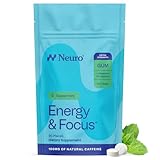
- Fast-Acting Nootropic - Our energy supplements deliver an extra boost of energy and clarity with a blend of natural caffeine, L-theanine, and vitamin b6 & b12. Your go-to chewing gum for work, exercise, and daily focus!
- Clean Energy - Each piece of our sugar free gum delivers 100mg of natural caffeine from green coffee beans for a smooth energy boost without crashes or jitters.
- The Perfect Balance - With 60mg of L-theanine per piece, our energy and focus formula promotes enhanced focus and stress reduction to smooth energy boosts.
- How to Use - Chew one piece of the caffeine gum whenever focus or energy is lacking. Ideal for mornings, pre-workout, or afternoon slumps. Effects typically kick in within minutes thanks to optimal absorption through the mouth.
- Made by Neuro, Backed by Science - At Neuro, we combine neuroscience with clean, science backed ingredients to help you do more, think better, and feel your best every single day.
Q: Can artificial sweeteners in energy drinks affect bowel movements?
A: Yes, some artificial sweeteners, particularly in large quantities, can have a laxative effect for certain individuals by drawing water into the intestines. This is a different mechanism than caffeine’s stimulant effect.
Q: Does drinking coffee on an empty stomach make a difference?
A: For some individuals, drinking coffee on an empty stomach can lead to a more immediate and pronounced effect on bowel movements, possibly due to a stronger gastrocolic reflex.
Q: If I’m trying to be regular, should I choose coffee over energy drinks?
A: If you are looking for a beverage that might assist with regularity, coffee is generally considered a more natural choice due to its complex composition beyond just caffeine. However, increasing fiber and water intake are more effective long-term strategies.
What this page does NOT cover (and where to go next)
- Specific brand comparisons for coffee or energy drinks.
- Medical advice for chronic digestive issues or specific health conditions.
- Detailed chemical breakdowns of all compounds in coffee.
- The environmental or ethical impacts of coffee production or energy drink manufacturing.
- Recipes or brewing guides for coffee.
- In-depth analysis of energy drink regulations or safety standards.