
Coffee and Weight Loss: The Real Story
Quick answer
- Coffee itself is not a magic weight loss solution, but it can play a supportive role.
- Its primary active compound, caffeine, can temporarily boost metabolism and suppress appetite.
- Adding sugar, cream, or flavored syrups can quickly negate any potential benefits.
- Regular coffee consumption may slightly enhance fat burning during exercise.
- Individual responses to coffee and caffeine vary significantly.
- For meaningful weight loss, coffee should be part of a balanced diet and exercise routine.
Key terms and definitions
- Caffeine: A natural stimulant found in coffee, tea, and cacao plants.
- Metabolism: The chemical processes that occur within a living organism in order to maintain life.
- Thermogenesis: The process of heat production in organisms, which burns calories.
- Lipolysis: The breakdown of fats and other lipids by hydrolysis to release fatty acids.
- Appetite suppression: The reduction or elimination of the desire to eat.
- Chlorogenic acids: Antioxidant compounds found in coffee that may influence glucose metabolism.
- Adenosine: A neurotransmitter that caffeine blocks, leading to increased alertness.
- Diuretic: A substance that promotes increased production of urine.
- Insulin sensitivity: How effectively your body’s cells respond to insulin.
- Empty calories: Calories from foods that provide little to no nutritional value.
How it works
- Caffeine stimulates the central nervous system, increasing alertness and potentially energy expenditure.
- It can temporarily boost your metabolic rate, meaning your body burns more calories at rest.
- Caffeine promotes lipolysis, helping your body break down fat stores for energy.
- It may act as a mild appetite suppressant for some individuals, reducing calorie intake.
- Coffee’s chlorogenic acids might help regulate blood sugar levels, though research is ongoing.
- The stimulant effect can enhance physical performance, potentially leading to more intense workouts.
- Coffee can increase thermogenesis, causing your body to produce more heat and burn more calories.
- It may help mobilize fatty acids from fat tissues, making them available for energy.
- The diuretic effect can lead to temporary water weight loss, but this is not fat loss.
For those looking to specifically boost their caffeine intake for potential metabolic benefits, consider a high-quality caffeine supplement. These can offer a more concentrated dose without the calories or other additives found in some coffee drinks.
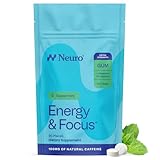
- Fast-Acting Nootropic - Our energy supplements deliver an extra boost of energy and clarity with a blend of natural caffeine, L-theanine, and vitamin b6 & b12. Your go-to chewing gum for work, exercise, and daily focus!
- Clean Energy - Each piece of our sugar free gum delivers 100mg of natural caffeine from green coffee beans for a smooth energy boost without crashes or jitters.
- The Perfect Balance - With 60mg of L-theanine per piece, our energy and focus formula promotes enhanced focus and stress reduction to smooth energy boosts.
- How to Use - Chew one piece of the caffeine gum whenever focus or energy is lacking. Ideal for mornings, pre-workout, or afternoon slumps. Effects typically kick in within minutes thanks to optimal absorption through the mouth.
- Made by Neuro, Backed by Science - At Neuro, we combine neuroscience with clean, science backed ingredients to help you do more, think better, and feel your best every single day.
What affects the result
- Coffee type: Black coffee offers the most benefits; sugary, creamy drinks add unwanted calories.
- Caffeine content: Higher caffeine generally means a stronger metabolic boost, but tolerance varies.
- Individual tolerance: Regular consumers may develop a tolerance, reducing caffeine’s effects.
- Timing of consumption: Coffee before a workout might enhance fat burning.
- Overall diet: Coffee cannot offset a poor diet high in processed foods and sugars.
- Physical activity level: Pairing coffee with exercise amplifies potential fat-burning effects.
- Genetics: Individual genetic variations can influence how one metabolizes caffeine.
- Sleep quality: Poor sleep can counteract any metabolic benefits from coffee.
- Hydration: Coffee is a diuretic; staying hydrated is crucial for overall health and metabolism.
- Added ingredients: Sugars, artificial sweeteners, and high-fat creamers negate benefits and add calories.
- Serving size: Excessive caffeine can lead to negative side effects like jitters or sleep disruption.
Pros, cons, and when it matters for weight management
- Pro: Temporary metabolic boost. Coffee can slightly increase calorie expenditure, which matters when aiming for a deficit.
- Pro: Appetite suppression. For some, a cup of coffee can curb hunger, potentially reducing snacking.
- Pro: Enhanced exercise performance. Drinking coffee before a workout might help you push harder, burning more calories.
- Pro: Antioxidant benefits. Coffee contains antioxidants that contribute to overall health, which supports a healthy body.
- Con: Added calories. Many popular coffee drinks are calorie bombs due to sugar, syrup, and cream.
- Con: Sleep disruption. Late-day coffee can interfere with sleep, and poor sleep is linked to weight gain.
- Con: Jitters and anxiety. Too much caffeine can cause discomfort, making healthy habits harder to maintain.
- Con: Dehydration. While mild, coffee’s diuretic effect means you need to ensure adequate water intake.
- When it matters: As a pre-workout drink. Black coffee can be an effective, low-calorie energy boost before exercise.
- When it matters: As a low-calorie beverage. Replacing sugary drinks with black coffee or unsweetened tea can reduce calorie intake.
- When it matters: For managing hunger. A cup of black coffee might help bridge the gap between meals for some.
- When it matters: As part of a holistic approach. Coffee can support weight loss when combined with diet, exercise, and good sleep.
Common misconceptions about does coffee make you thinner
- Coffee is a magic weight loss pill. Coffee offers modest benefits; it’s not a standalone solution for significant weight loss.
- All coffee drinks are good for weight loss. Lattes, mochas, and sweetened coffees often contain hundreds of calories and grams of sugar.
- Coffee burns fat automatically. While it can aid fat mobilization, you still need a calorie deficit to lose actual body fat.
- The more coffee, the more weight loss. Excessive caffeine can lead to negative health effects and doesn’t proportionally increase weight loss.
- Coffee replaces healthy meals. It’s a beverage, not a meal replacement, and lacks essential nutrients.
- Coffee always suppresses appetite. This effect is highly individual; some may not experience it or may even feel hungrier later.
- Decaf coffee has the same weight loss benefits. Most of the metabolic effects are linked to caffeine, which is largely absent in decaf.
- Coffee dehydrates you significantly. While it has a diuretic effect, moderate coffee consumption doesn’t typically lead to dehydration if you’re otherwise well-hydrated.
- Green coffee beans are vastly superior for weight loss. While green coffee extract has been studied, regular brewed coffee also contains beneficial compounds.
FAQ
Does black coffee help you lose weight?
Black coffee, being calorie-free, can be a helpful beverage choice for weight management. Its caffeine content may temporarily boost metabolism and suppress appetite, but these effects are modest and work best as part of a balanced diet and exercise plan.
How much coffee should I drink for weight loss?
There’s no specific recommended amount for weight loss. Moderate consumption, typically 3-5 cups (around 400 mg caffeine) per day for most healthy adults, is generally considered safe. Listen to your body and avoid excessive intake that could lead to jitters or sleep problems.
Can coffee alone make me thinner?
No, coffee alone is unlikely to make you significantly thinner. While it can offer minor metabolic advantages, sustainable weight loss requires a consistent calorie deficit achieved through dietary changes and regular physical activity.
Is adding milk and sugar to coffee bad for weight loss?
Yes, adding milk, sugar, flavored syrups, and creamers can quickly turn a calorie-free beverage into a high-calorie one. These additions can negate any potential weight loss benefits and contribute to weight gain if consumed regularly.
Does coffee before a workout help burn more fat?
Some research suggests that consuming black coffee before a workout can enhance fat oxidation during exercise and improve performance. This can contribute to a greater overall calorie burn, but the effect varies among individuals.
Will coffee affect my metabolism long-term?
The metabolic boost from coffee is generally temporary. While regular consumption might have some long-term health benefits, its impact on your resting metabolic rate is not typically significant enough to cause substantial long-term weight loss on its own.
What about green coffee bean extract for weight loss?
Green coffee bean extract contains chlorogenic acids, which some studies suggest may aid in weight loss and blood sugar regulation. However, more robust research is needed to definitively establish its efficacy and optimal dosage compared to regular brewed coffee.
What this page does NOT cover (and where to go next)
- Specific coffee brewing methods and their impact on taste.
- Detailed nutritional breakdowns of various coffee types.
- The history and cultural significance of coffee.
- In-depth medical advice for specific health conditions.
- How to choose the best coffee beans for home brewing.
- Comprehensive diet and exercise plans for weight loss.