
Coffee and Muscle Aches: Is There a Connection?
Quick Answer
- The link between coffee and muscle aches isn’t straightforward.
- Caffeine can boost energy, which might lead to more intense workouts and thus, soreness.
- Some people are sensitive to caffeine’s effects on their body.
- Dehydration, a potential side effect of coffee, can contribute to muscle cramps.
- Withdrawal from caffeine can also cause muscle pain.
- Overall, it’s more about how you react to coffee and your lifestyle.
Key Terms and Definitions
- Caffeine: A natural stimulant found in coffee beans. It affects the central nervous system.
- Adenosine: A neurotransmitter that promotes relaxation and sleepiness. Caffeine blocks its action.
- Muscle Soreness (DOMS): Delayed Onset Muscle Soreness. This is the pain you feel a day or two after a new or intense workout.
- Electrolytes: Minerals like sodium, potassium, and magnesium that help regulate fluid balance and muscle function.
- Dehydration: A state where your body loses more fluid than it takes in.
- Vasoconstriction: The narrowing of blood vessels. Caffeine can cause this.
- Lactic Acid: A compound produced during intense exercise when oxygen is limited. It’s often wrongly blamed for DOMS.
- Inflammation: The body’s response to injury or irritation. Exercise causes micro-tears that trigger inflammation.
- Stimulant: A substance that increases activity in the brain and nervous system.
- Withdrawal: The physical and mental symptoms experienced when stopping or reducing intake of a substance like caffeine.
How Coffee and Muscle Aches Might Connect
- Coffee contains caffeine, a stimulant. This stimulant can increase your energy levels.
- With more energy, you might push harder during your workouts. This can lead to greater muscle breakdown.
- This increased muscle breakdown is a primary cause of DOMS. So, coffee indirectly fuels tougher workouts.
- Caffeine can act as a mild diuretic. This means it can increase urine production.
- If you don’t compensate for fluid loss, you can become dehydrated.
- Dehydration impairs muscle function and can lead to cramps and aches.
- Caffeine can also affect sleep quality for some individuals. Poor sleep hinders muscle recovery.
- For some, caffeine might increase jitters or anxiety. This can translate to muscle tension.
- If you regularly drink coffee and then stop suddenly, you might experience withdrawal. Muscle aches are a common symptom.
- It’s not about coffee directly damaging muscles, but how it influences your body’s response to activity and hydration.
If you’re looking for a controlled energy boost without the coffee, consider exploring caffeine supplements. They can provide the stimulant benefits without the diuretic effects of coffee.
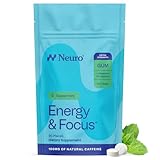
Neuro Energy & Focus Gum, Extra Strength - 100mg Natural Caffeine Gum & Nootropic Energy Supplement with L-Theanine & B Vitamins - Sugar Free, Vegan - Spearmint, 90ct
- Fast-Acting Nootropic - Our energy supplements deliver an extra boost of energy and clarity with a blend of natural caffeine, L-theanine, and vitamin b6 & b12. Your go-to chewing gum for work, exercise, and daily focus!
- Clean Energy - Each piece of our sugar free gum delivers 100mg of natural caffeine from green coffee beans for a smooth energy boost without crashes or jitters.
- The Perfect Balance - With 60mg of L-theanine per piece, our energy and focus formula promotes enhanced focus and stress reduction to smooth energy boosts.
- How to Use - Chew one piece of the caffeine gum whenever focus or energy is lacking. Ideal for mornings, pre-workout, or afternoon slumps. Effects typically kick in within minutes thanks to optimal absorption through the mouth.
- Made by Neuro, Backed by Science - At Neuro, we combine neuroscience with clean, science backed ingredients to help you do more, think better, and feel your best every single day.
What Affects the Result
- Your Caffeine Sensitivity: Some people metabolize caffeine faster than others. This impacts how long and how strongly it affects you.
- Your Workout Intensity: The harder you train, the more likely you are to experience muscle soreness, regardless of coffee intake.
- Your Hydration Habits: If you drink coffee but don’t drink enough water, dehydration is a bigger risk factor for aches.
- Your Diet: Adequate intake of electrolytes and nutrients supports muscle repair and function.
- Your Sleep Quality: Rest is crucial for muscle recovery. Coffee, especially late in the day, can disrupt sleep.
- Your Coffee Consumption: How much coffee you drink matters. A small cup is different from a triple espresso.
- Timing of Consumption: Drinking coffee right before a workout might boost performance but also increase the risk of dehydration if you don’t hydrate well.
- Your Genetics: Individual genetic makeup plays a role in how your body processes caffeine and responds to stress.
- Type of Exercise: High-impact or eccentric exercises (like downhill running) tend to cause more soreness than steady-state cardio.
- Freshness of Coffee: While not directly linked to muscle aches, stale coffee can taste rough, making the experience less enjoyable. (Just a thought for your morning brew).
- Pre-existing Conditions: Certain medical conditions might make you more susceptible to caffeine’s side effects or muscle pain.
- Medications: Some medications can interact with caffeine or affect muscle function.
To combat potential dehydration, especially if you’re a regular coffee drinker, consider incorporating hydration supplements into your routine. They can help replenish essential electrolytes and support muscle function.

DripDrop Hydration Packets - Bold Variety Pack - Single Serve Electrolytes Powder Drink Mix - Watermelon, Berry, Lemon, Orange - Non-GMO, Gluten Free, Vegan - 16 Sticks
- FAST HYDRATION: Science-based electrolyte powder formula hydrates faster than water alone; useful to rehydrate on-the-go for athletes, sports, outdoor activities, travel, and hot days.
- ELECTROLYTE FORMULA: Delivers 3x electrolytes and half the sugar than leading sports drinks in a portable, easy-mix great tasting hydration powder.
- INGREDIENT-CONSCIOUS: Non-GMO, Gluten Free, Vegan, Soy-Free, Dairy-Free, and Kosher; includes potassium, magnesium, zinc, and vitamin C for added immune support, with natural colors from fruit and vegetable juices.
- SINGLE-SERVE CONVENIENCE: Includes 16 portable electrolyte packets that are easy to carry in a gym bag, backpack, purse, desk or pantry; a simple way to keep hydration packets on hand for daily use, workouts, commuting, and travel days.
- DELICIOUS FLAVOR: Men's Journal Fitness Award for the Best-Tasting Hydration Drink. Enjoy Watermelon, Berry, Lemon, and Orange flavors in one pouch. Mix 1 packet into 8 oz of water for on-the-go hydration.
Pros, Cons, and When It Matters
- Pro: Enhanced Workout Performance: Caffeine can improve endurance and reduce perceived exertion. This means you can train harder, potentially leading to better fitness gains.
- Con: Increased Risk of Soreness: Pushing harder due to caffeine can result in more significant DOMS. This might make subsequent workouts uncomfortable.
- Pro: Improved Focus: For some, coffee sharpens mental focus, which can be beneficial for complex training routines or sports.
- Con: Dehydration Risk: The diuretic effect, if not managed, can lead to muscle cramps and aches from lack of fluids.
- Pro: Potential for Faster Metabolism: Caffeine can slightly boost metabolism, though this effect is often overstated for significant weight loss.
- Con: Sleep Disruption: Consuming coffee too late can interfere with the deep sleep needed for muscle repair and overall recovery.
- Pro: Mood Enhancement: Coffee can improve mood, making exercise feel more enjoyable for some.
- Con: Jitters and Anxiety: For sensitive individuals, caffeine can cause nervousness, which might manifest as physical tension or shakiness.
- Pro: Caffeine Withdrawal Relief: If you have a headache or muscle ache due to caffeine withdrawal, drinking coffee can alleviate it.
- Con: Dependence: Regular high intake can lead to dependence, making you reliant on it to avoid withdrawal symptoms.
- When It Matters: If you’re an endurance athlete looking for a performance edge, a pre-workout coffee might be beneficial, provided you hydrate. If you’re new to exercise or have a sensitive system, start slow and monitor your body’s reaction.
Common Misconceptions
- Myth: Coffee directly causes muscle damage. Nope. It’s more about how it influences your behavior and hydration.
- Myth: Lactic acid is the main cause of DOMS. Actually, DOMS is primarily due to microscopic tears in muscle fibers from new or intense stress.
- Myth: All coffee drinkers get muscle aches. Not at all. Sensitivity varies wildly.
- Myth: Coffee is always bad for workouts. For many, it’s a performance enhancer. It’s about context.
- Myth: You can’t drink coffee and still recover well. You absolutely can, if you manage hydration and sleep.
- Myth: Coffee is a potent dehydrator. While it has a mild diuretic effect, the water in coffee often offsets it. Significant dehydration is rare unless you’re consuming massive amounts without other fluids.
- Myth: Muscle aches mean you worked out too hard. Some soreness is normal, especially when challenging your muscles. It’s a sign of adaptation.
- Myth: Only strong coffee causes problems. Even decaf has trace amounts of caffeine. And it’s not just caffeine; other compounds might play a role for some.
- Myth: If you feel sore, stop exercising entirely. Often, light activity or active recovery can help. Listen to your body.
FAQ
- Can caffeine make my muscles ache after a workout? It’s possible, but indirectly. Caffeine can boost your energy, leading to a more intense workout and thus more soreness. It can also contribute to dehydration if you’re not careful.
- Is it the coffee or the workout causing the pain? Usually, it’s a combination. The workout itself causes micro-tears in muscles. Coffee might amplify the intensity of that workout or affect your body’s ability to recover due to hydration or sleep impacts.
- Should I avoid coffee before exercising if I get sore? If you find coffee consistently makes your soreness worse or leads to cramps, it might be wise to skip it before workouts, or at least ensure you’re very well-hydrated.
- What’s the best way to prevent coffee-related muscle aches? Stay well-hydrated by drinking plenty of water throughout the day, especially before and after exercise. Also, ensure you’re getting enough sleep for muscle recovery.
- Can coffee withdrawal cause muscle aches? Yes, muscle aches and headaches are common symptoms of caffeine withdrawal. If you suddenly stop drinking coffee, give your body some time to adjust.
- Does the type of coffee matter? Not really for the muscle ache connection. Whether it’s drip, espresso, or cold brew, the caffeine content is the primary factor. However, additions like sugar or cream can affect your overall health and recovery.
- What if I feel shaky and sore after coffee? This suggests you might be sensitive to caffeine. Consider reducing your intake or switching to lower-caffeine options. Ensure you’re not dehydrated.
What This Page Does Not Cover (and Where to Go Next)
- Specific medical diagnoses for chronic muscle pain. If your aches are severe or persistent, consult a doctor.
- Detailed nutritional plans for muscle recovery. Look for resources on sports nutrition.
- In-depth analysis of different coffee brewing methods and their caffeine extraction. Explore brewing guides.
- The impact of specific coffee additives (sugar, milk, etc.) on muscle recovery. Research dietary impacts.
- Detailed exercise science on muscle fiber repair. Dive into exercise physiology resources.