
Depression And Coffee: Potential Effects
Quick Answer
- Coffee’s caffeine can offer a temporary mood boost for some.
- For others, too much caffeine can trigger anxiety and disrupt sleep, which can worsen depression symptoms.
- The impact varies greatly person to person.
- Moderation is key.
- Listen to your body.
Key Terms and Definitions
- Depression: A mood disorder characterized by persistent sadness and loss of interest. It’s more than just feeling down.
- Caffeine: A natural stimulant found in coffee beans, tea leaves, and cocoa. It affects the central nervous system.
- Anxiety: A feeling of worry, nervousness, or unease, typically about an imminent event or something with an uncertain outcome.
- Serotonin: A neurotransmitter that helps regulate mood, sleep, and appetite. Coffee can affect its levels.
- Cortisol: A stress hormone. Caffeine can temporarily increase cortisol levels.
- Placebo Effect: When a person experiences a benefit after receiving a treatment that has no therapeutic effect, simply because they expect to.
- Withdrawal: Symptoms experienced when a regular caffeine user stops or significantly reduces intake. Headaches are common.
- Sleep Hygiene: Practices that promote healthy sleep habits. Good sleep is crucial for mental well-being.
How Coffee Affects Mood
- Caffeine blocks adenosine, a neurotransmitter that makes you feel tired. This can lead to increased alertness and a temporary lift.
- It can also stimulate the release of dopamine and norepinephrine. These are brain chemicals linked to pleasure and focus.
- For some, this can feel like a mood improvement, a nice little pick-me-up.
- However, this stimulation isn’t always a net positive.
- It can also ramp up your nervous system. Think of it like turning up the volume too high.
- This can lead to jitters and a racing heart.
- For those prone to anxiety, this can easily tip over into feeling more on edge.
- And if you’re already struggling with sleep, late-day coffee can make it way worse.
- Poor sleep is a huge trigger for worsening depression.
If you’re looking for a controlled way to experience caffeine’s effects, consider exploring caffeine supplements. They offer a precise dosage without the other compounds found in coffee.
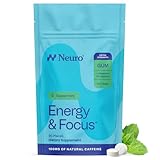
- Fast-Acting Nootropic - Our energy supplements deliver an extra boost of energy and clarity with a blend of natural caffeine, L-theanine, and vitamin b6 & b12. Your go-to chewing gum for work, exercise, and daily focus!
- Clean Energy - Each piece of our sugar free gum delivers 100mg of natural caffeine from green coffee beans for a smooth energy boost without crashes or jitters.
- The Perfect Balance - With 60mg of L-theanine per piece, our energy and focus formula promotes enhanced focus and stress reduction to smooth energy boosts.
- How to Use - Chew one piece of the caffeine gum whenever focus or energy is lacking. Ideal for mornings, pre-workout, or afternoon slumps. Effects typically kick in within minutes thanks to optimal absorption through the mouth.
- Made by Neuro, Backed by Science - At Neuro, we combine neuroscience with clean, science backed ingredients to help you do more, think better, and feel your best every single day.
What Affects Coffee’s Impact on Depression
- Dosage: How much coffee you’re actually drinking matters. A single cup is different from a whole pot.
- Individual Sensitivity: We’re all wired differently. Some folks can chug espresso and feel fine. Others feel it after a few sips.
- Timing: Drinking coffee late in the day is a recipe for sleep disruption. That’s bad news for mood.
- Pre-existing Anxiety: If you already deal with anxiety, caffeine can easily amplify those feelings.
- Sleep Quality: How well you sleep overall plays a massive role. If your sleep is already messed up, coffee can make it worse.
- Hydration: Dehydration can mimic or worsen fatigue and mood issues. Make sure you’re drinking enough water alongside your coffee.
- Diet: What else you’re eating can influence how your body processes caffeine and how you feel.
- Medication: Some medications can interact with caffeine. Always check with your doctor.
- Genetics: Believe it or not, your genes can influence how quickly your body metabolizes caffeine.
- Stress Levels: When you’re already stressed, adding caffeine can feel like adding fuel to the fire.
- Type of Coffee: Lighter roasts sometimes have more caffeine than darker roasts, though this isn’t a hard rule.
- Brewing Method: How you brew can affect the final caffeine content. Espresso shots are concentrated, but you might drink fewer.
Pros, Cons, and When It Matters
- Pro: Temporary Mood Lift: For some, that initial jolt can make a rough morning feel more manageable.
- Con: Increased Anxiety: This is a big one. Caffeine can crank up worry and nervousness.
- Pro: Improved Focus: It can help you concentrate better, which can be useful for tasks.
- Con: Sleep Disruption: This is critical. Poor sleep is a major contributor to depression.
- Pro: Ritual and Comfort: The act of making and drinking coffee can be a calming routine.
- Con: Dependency and Withdrawal: Relying on it too much can lead to headaches and irritability when you skip it.
- Pro: Antioxidants: Coffee has beneficial compounds.
- Con: Can Mimic or Worsen Symptoms: Jitters, restlessness, and irritability can sometimes look a lot like depression symptoms.
- When it Matters: Social Connection: Sharing a coffee can be a positive social interaction.
- When it Matters: Energy Slumps: It can be a tool to get through a low-energy period, but use it wisely.
- When it Matters: Underlying Conditions: If you have a diagnosed mental health condition, be extra mindful of how stimulants affect you.
- When it Matters: Self-Awareness: Knowing your own body’s response is key.
Common Misconceptions
- Myth: Coffee is a direct cure for depression. Nope. It’s a stimulant, not a treatment.
- Myth: All coffee is created equal. Caffeine levels and effects can vary widely.
- Myth: If I feel good after coffee, it’s definitely helping my depression. You might just be feeling the stimulant effect, not addressing the root cause.
- Myth: Decaf coffee has no effect. Decaf still has a small amount of caffeine.
- Myth: Caffeine always makes depression worse. Not necessarily. It depends on the individual and the amount.
- Myth: You can’t get addicted to coffee. Caffeine dependence is real.
- Myth: Coffee is inherently bad for mental health. It’s about balance and individual response.
- Myth: If you have depression, you should cut out coffee completely. Not always. Moderation is often the better path.
- Myth: Coffee causes depression. The relationship is more complex than that.
- Myth: Everyone experiences caffeine jitters. Sensitivity varies wildly.
FAQ
- Can coffee help me feel less depressed?
For some, the stimulant effect of caffeine can provide a temporary mood lift and increase alertness. It might make a tough day feel a little more manageable. However, this effect is often short-lived and doesn’t address the underlying causes of depression.
- Does coffee make depression worse?
It can, especially if you’re sensitive to caffeine, drink too much, or it disrupts your sleep. Increased anxiety, jitters, and sleep problems are common side effects that can definitely worsen depressive symptoms.
- How much coffee is too much when you have depression?
There’s no single answer. It depends on your individual tolerance, how well you sleep, and your general anxiety levels. A good rule of thumb is to stick to 1-2 cups (8 oz each) per day and avoid it in the afternoon.
- What are the signs that coffee is negatively affecting my mood?
Watch out for increased irritability, restlessness, racing thoughts, difficulty sleeping, or a general feeling of being on edge. If you notice these after drinking coffee, it might be a sign to cut back.
- Is decaf coffee a better option?
Decaf coffee still contains a small amount of caffeine, but significantly less than regular coffee. It might offer some of the ritual and taste without the strong stimulant effects, making it a better choice for some people.
- Should I talk to my doctor about coffee and my depression?
Absolutely. Your doctor can help you understand how caffeine might be interacting with your specific situation, including any medications you’re taking, and offer personalized advice.
- What if I get headaches when I stop drinking coffee?
That’s a common caffeine withdrawal symptom. If you need to cut back, try doing it gradually over a week or two to minimize these effects.
- Can coffee affect my sleep if I have depression?
Yes, caffeine is a stimulant and can interfere with your ability to fall asleep and stay asleep. Poor sleep is a significant trigger for worsening depression.
What This Page Does Not Cover (and Where to Go Next)
- Specific medical advice or diagnosis for depression. Consult a healthcare professional.
- Detailed nutritional breakdowns of coffee beans. Look for coffee industry resources.
- The effects of other stimulants like energy drinks or certain medications. Check with your doctor or pharmacist.
- Advanced brewing techniques for optimal flavor. Explore brewing guides and coffee enthusiast forums.